


University of South Australia (UniSA), Media Release, 21 July 2025
New University of South Australia research is providing evidence of biological triggers of oil production in oats, a discovery that will help processing and potentially drive further demand for Australian-grown oats.
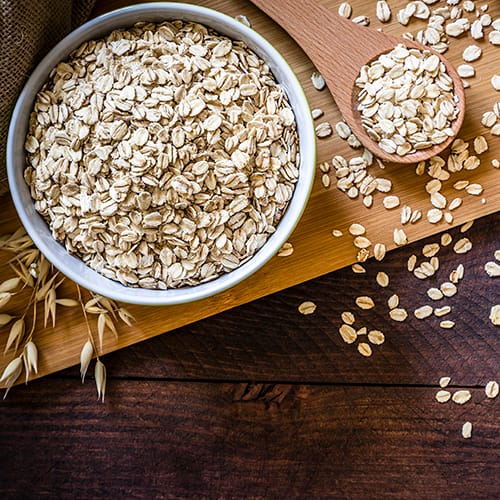
While Australia is the world’s second-largest exporter of oats, high oil content in oat grains creates challenges during milling, reducing processing efficiency and limiting product innovation – particularly in high-demand sectors like oat flour and plant-based proteins.
Researchers from the University of South Australia, the South Australian Research and Development Institute (SARDI), and the University of Adelaide are collaborating on research designed to better understand the biological processes responsible for oil synthesis in oat grains.
In this study, two contemporary varieties of oats were examined using spatial imaging techniques to track oil build-up during grain development. Researchers then applied ‘omics’ technologies – lipidomics and proteomics – to analyse lipid and protein expression, which provided key insights into the biological mechanisms involved in the actual formation of the grain, including those relating to oil synthesis.
The UniSA findings have provided further evidence of the mechanisms that underlie the amount of oil in an oat grain. These findings will help to guide future breeding efforts for naturally lower-oil oat varieties, improving milling yields and creating new value-added opportunities across the oat supply chain.
UniSA PhD candidate, Darren Lau, says that current oil removal methods are inefficient and that low-oil breeding programs will aid industry growth.
“While oil can be removed from partially milled oat flakes – using supercritical carbon dioxide prior to further milling – this approach is laborious and expensive,” he says.
“Breeding low-oil oat varieties is a cost-effective approach but requires further understanding of oil production in oats. This is where our research is critical.
“Our analysis has identified several key enzymes that are involved in oil synthesis which could be genetically manipulated to lower oil content of oat grains.
“Reducing oil content could also unlock new opportunities in sectors like oat flour and alternative proteins, which could significantly strengthen Australia’s position in the market.”
The economic potential of these opportunities is reflected in the quantity of oats exported globally. For example, in 2022 twenty-six million metric tonnes of oats were produced worldwide, ranking them seventh among cereals in production quantity.
Lowering oil content in oat grains will enhance processing and product versatility, positioning them alongside traditional cereal staples like barley, maize, wheat, and rice, and further driving industry growth.
The UniSA findings are being used by the Grains Research and Development Corporation (GRDC) oat grain quality consortium to improve suitability for milling and food/beverage ingredient development. Additional research is continuing within the consortium that will build on the study’s findings to further inform breeding efforts aimed at reducing oil content in oats.
“The consortia are currently working on a larger and more diverse oat cohort to further investigate molecular markers and nutrient partitioning of oil in oats,” Lau says.
“The consortia are also investigating one of the key enzymes validated in this study to determine whether manipulating or removing it can lower oil content, and how that affects the growth of the plant.”
SARDI Project Lead Dr Janine Croser, says the study’s findings provide further evidence of key pathways involved in oat oil biosynthesis.
“This research provides important insights into the biological mechanisms underlying varietal differences of oil production in developing oat grains,” Dr Croser says.
“We expect that the development of low-oil lines will improve efficiencies in the flour milling process and potentially lead to novel uses for oats.
“With demand for plant-based foods on the rise, we anticipate the oat grain quality consortium research will help put Australia at the forefront of oat innovation – supporting growers, processors, and exporters alike.”
The full paper, Proteomic and lipidomic analyses reveal novel molecular insights into oat (Avena sativa L.) lipid regulation and crosstalk with starch synthesis during grain development, is available online.
The University of South Australia and the University of Adelaide are joining forces to become Australia’s new major university – Adelaide University. Building on the strengths, legacies and resources of two leading universities, Adelaide University will deliver globally relevant research at scale, innovative, industry-informed teaching and an outstanding student experience. Adelaide University will open its doors in January 2026. Find out more on the Adelaide University website.

