Peter Christen, Panacea Estate, Tarrangower Times
If you’ve ever wandered through Panacea Estate and seen a flock of sheep wandering between the vine rows, you might have wondered: What are they doing here?
The answer is simple and surprisingly effective. They’re helping us make better wine.
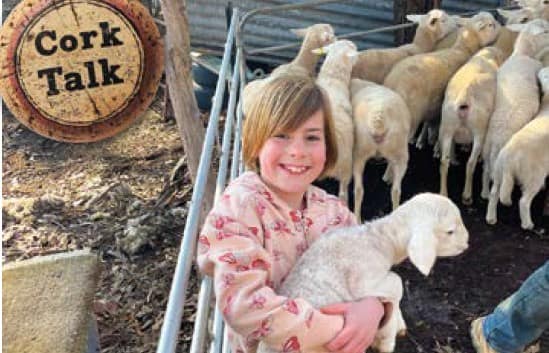
Grazing sheep in the vineyard isn’t just a picturesque scene for photos (though it’s great for that, too). It’s part of a sustainable approach to farming that keeps weeds down, soil healthy, and our vines thriving.
The benefits of vineyard grazing
Sheep are like the perfect vineyard employees—quiet, hardworking, and not too fussy about lunch breaks. Here’s why we like to keep them around:
- Natural weed control
Forget the mower or herbicides. Sheep happily nibble down weeds and grass, keeping the vineyard floor tidy and reducing competition for the vines’ precious water and nutrients.
- Fertiliser on the move
Sheep don’t just eat—they give back. Their manure adds natural nutrients to the soil, boosting organic matter and helping with water retention. It’s a closed-loop system.
- Soil health
Grazing animals lightly compact the soil, which can actually improve structure and reduce erosion if managed carefully. Their hooves press organic material into the ground, where it can decompose and feed the microbes that make for rich, healthy dirt.
- Reduced fuel use
Fewer hours on the tractor means less diesel burned, lower emissions, and a smaller carbon footprint.
- Pest control
Sheep also eat some of the vineyard pests (like certain weeds that can harbour insects) and don’t mind snacking on the leaves of cover crops that might otherwise attract unwanted bugs.
Timing is everything
Of course, you can’t just set sheep loose in the vineyard all year and sometimes they are the animals I’m chasing out of the vineyard or they are the reason there is no 2023 Cabernet Sauvignon. Timing is key:
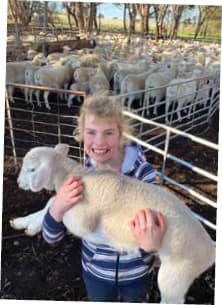
- Winter and early spring – This is prime grazing time, when the vines are dormant and there’s no tender fruit for the sheep to nibble. They can roam freely, munching away and fertilising as they go.
- Late spring to early summer – Once the buds burst and new shoots appear, it’s time to move the sheep out to other paddocks. Hungry mouths and fresh growth don’t mix well.
- Post-harvest – Once the fruit is off the vine, the sheep can come back in to clean up leftover leaves and canes, keeping disease pressure low.
On a personal note, last year was the first time we had done this after replacing a number of fences, and for me, one of the quiet joys of winter is seeing the sheep move among the rows. There’s something deeply satisfying about this cycle—watching animals graze beneath bare vines, their breath steaming in the cold morning air, their gentle baaing carrying across the frosted ground and knowing it will help in making a better vineyard and glass of wine. I like to think the sheep enjoy it, too. Fresh air, green grass, and a bit of freedom before the growing season kicks off again.
Next time you pop a bottle of Panacea Estate wine, picture the vineyard it came from—sheep included. Or, if you’re visiting over the next few months before bud burst, come for a walk and meet our woolly weeders. They’re a bit shy, but they’re always working hard to make the vineyard a better place. And if you’ve got a small farm, garden, or even a backyard chook run, let us know how you use animals to keep things in balance. We’d love to hear your stories.

This article appeared in Tarrangower Times, 16 May 2025.