


TasFarmers, Media Release, 10 March 2026
TasFarmers has warned “without fuel there is no food”, calling on governments to guarantee diesel supplies for agriculture and freight as global tensions push fuel prices sharply higher.
Diesel prices in parts of Tasmania have risen from about $1.87 to more than $2.17 per litre in the past week, creating uncertainty for farmers, contractors and freight operators across the state.
TasFarmers President Ian Sauer said diesel was the backbone of the food production system.
“Without fuel there is no food. It’s as simple as that,” Mr Sauer said.
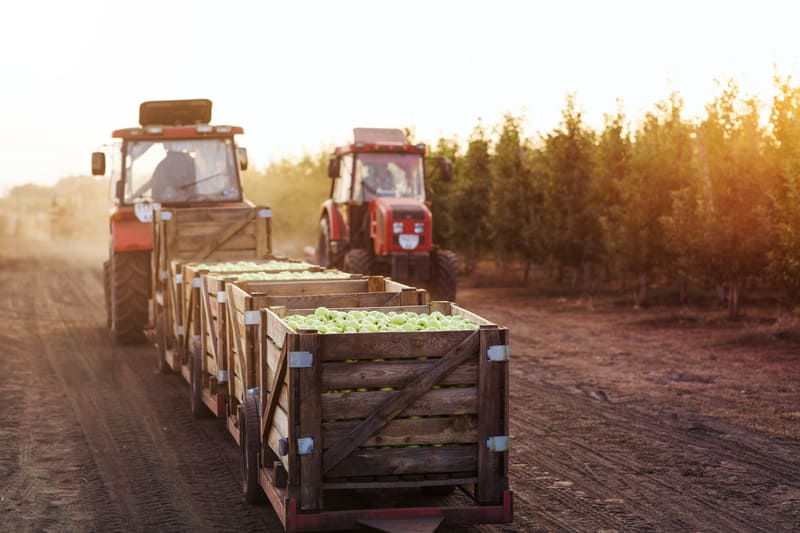
“Diesel powers tractors, harvesters, irrigation pumps and the trucks that move food around the country. If supply becomes uncertain, the impact flows straight through the food system.”
TasFarmers is calling for federal and state governments to ensure diesel supplies are prioritised for essential services, including agriculture, freight and food distribution.
Supply concerns emerging
Reports from across Tasmania are revealing that farmers and contractors are already facing delays or uncertainty around diesel deliveries.
Mr Sauer said this was creating concern for businesses planning planting, harvesting and irrigation work.
“There are contractors running heavy equipment across the state who are being told their diesel supply may not be guaranteed,” he said.
“If that uncertainty continues for weeks rather than days, work slows down, crops stay in paddocks longer and costs start rising across the supply chain.”
Many farms also rely on diesel irrigation pumps because electricity connections are unavailable or prohibitively expensive.
At the same time, diesel trucks carry the vast majority of Australia’s freight task.
“If farmers can’t secure fuel to run irrigation, harvest crops or transport produce, food supply tightens, and prices inevitably rise,” Mr Sauer said.
Avoid panic buying
TasFarmers warned that panic buying could make supply pressures worse.
“We’ve seen the toilet paper mentality before. Panic buying only makes supply problems worse,” Mr Sauer said.
“What governments must ensure is calm management and an orderly distribution of fuel, so our nations’ food security is protected first.”
TasFarmers said the situation also highlighted Australia’s reliance on imported fuel and fertiliser.
“Farmers are exposed to global shocks because we import so many of the inputs needed to grow food,” Mr Sauer said.
“Australia needs stronger fuel and fertiliser security so global conflicts don’t immediately hit farmers and food prices.”
TasFarmers will continue working with industry and governments to ensure Tasmania’s food production system remains protected during periods of global disruption.

