


Cattle Australia, Media Release, 1 July 2025
The illegal importation of 62 tonnes of pork and other animal protein from Thailand into Australia proves the urgent need for increased funding and resources for frontline biosecurity services.
The offender was convicted on nine counts of breaching the Biosecurity Act 2015, with a District Court judge sentencing her to a 24-month intensive corrections order and 150 hours of community service. The maximum available sentence is 10 years in jail and up to $1.6 million in fines.
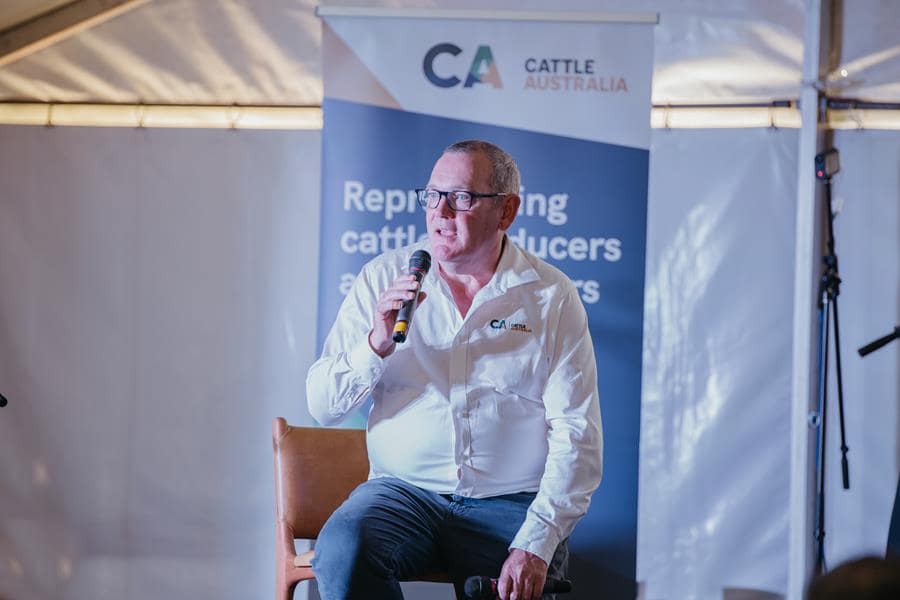
Cattle Australia Chief Executive, Dr Chris Parker, said the incredible volume of contraband demanded a tougher sentence to send a clear signal to would-be smugglers of the extreme importance of biosecurity to Australia.
Dr Parker said the scale of the crime also suggested this was not a one-off incident and more stringent measures were needed from the Australian Government to enforce the law and prevent other criminals breaching our biosecurity defences.
“Australia’s cattle producers and the community expect more from the judiciary in enforcing the law for such serious breaches,” Dr Parker said.
“The case begs the questions of how on earth was she able to import such a high volume of contraband before being detected and why such a small sentence was handed down?
“Pork is a high-risk source of Foot and Mouth Disease (FMD), which would decimate our industry and wreak economic havoc on the nation if it ever enters Australia.
“In a worst-case scenario, an outbreak could cost the Australian economy $80 billion over 10 years and cause significant disruptions to the food supply chain in Australia.”
It follows a similar case in 2023, in which 38 tonnes of illegal food imports were detected in Sydney.
“There were 116 different food types found in that shipment, including high-risk produce including turtle meat, frog meat, pork, beef, geese, duck, raw prawns, soil and plants – any one of which could have been carrying a pest or disease devasting to Australia’s agricultural industries,” Dr Parker said.
“The two cases demonstrate that food smugglers can get away with breaching our biosecurity laws too easily and for too long before being found out, and face too small a punishment.”
Dr Parker said early detection and intervention were critical to protecting Australia’s unique ecology and our clean, green farming systems.
“The Australia Government must urgently increase its funding and resources for our biosecurity system, and in particular, increase frontline services to inspect, detect and destroy risk material as early as possible, as well as to find, investigate and prosecute offenders,” he said.
Funding is also needed for trials of new early detection technologies, such as vector technology to assess potentially disease carrying insect populations at high-traffic entry points.
“Prevention is the most cost-effective biosecurity investment you can make and in the long run it will be far cheaper than the cost of a cure,” Dr Parker said.
“And funding changes must not be a one-off response – the Commonwealth must put the biosecurity system on a sustainable funding model that will protect Australia both now and into the future. For some time, CA has been calling for user-pays charges on importers as a means to achieving this. It’s time the Government acted.”
Emergency Animal Disease Watch Hotline on 1800 675 888
Cattle Australia (CA) is the national peak body for the grass-fed beef industry, providing a visible, unified, and influential voice for Australia’s 52,000 grass-fed cattle levy payers. CA is responsible for developing and driving contemporary policy; guiding research, development, and adoption (RD&A) and marketing investment for the sector; and advocating on all matters important to the Australian beef industry.


… cattle operators that transport cattle nationally are also manipulating the biosecurity regulations by using staging properties …staging stock … at a grazing fattening property before feeding the stock from interstate to .. feedlot … massive biosecurity risk … What will it take for the government to wake up and close the loopholes. They are treating you like mugs and it better not happen on my doorstep because I will be screaming blue bloody murder.
[Edited by ARR.News Editor]