


The Hon. Peter Malinauskas, Premier of South Australia; The Hon. Clare Scriven, Minister for Primary Industries and Regional Development (SA); The Hon. Emily Bourke, Minister for Climate, Environment and Water (SA), Minister for Tourism (SA), Joint Media Release, 24 June 2026
Today [24 June 2026] South Australia has recorded its first confirmed case of H5 bird flu in a vagrant migratory seabird found on a beach on the Fleurieu Peninsula.
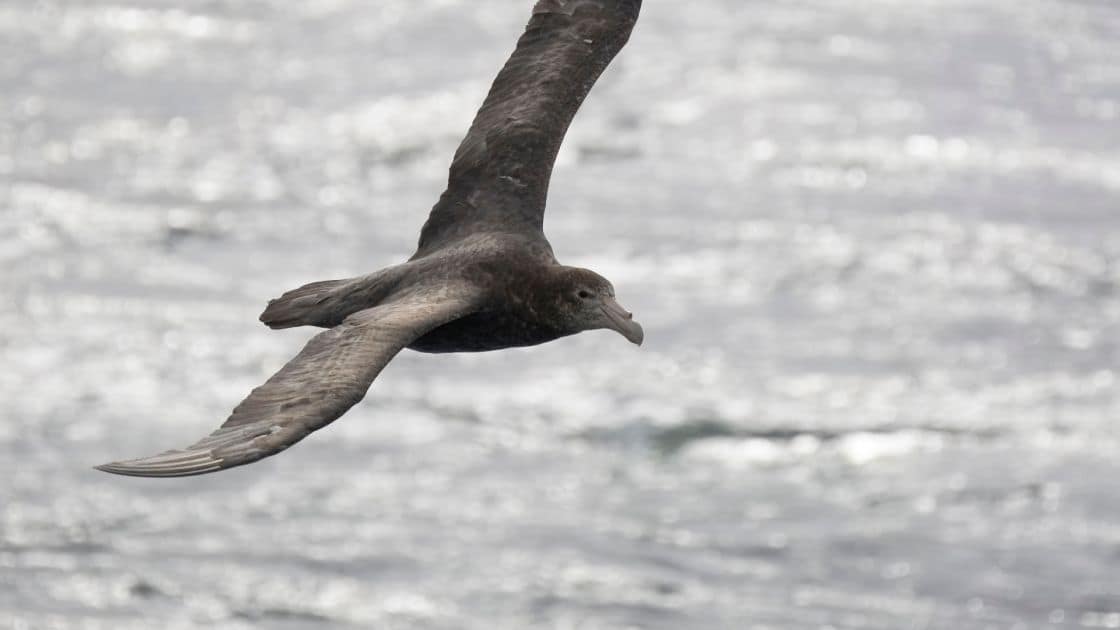
The confirmed case, a Southern Giant Petrel, was found by a wildlife welfare organisation on 14 June on Knights Beach at Port Elliot in a debilitated condition and taken into care.
PIRSA contacted the organisation on Friday 19 June upon learning of the case via social media and took samples immediately.
Testing by CSIRO’s Australian Centre for Disease Preparedness (ACDP) has today returned a positive detection.
The bird was found alongside another giant petrel, which tested negative.
This is the first time this strain has been detected in South Australia. Since 1 January 2026, 774 samples from birds have been tested in SA.
Testing of the two seabirds found near Fowlers Bay on Eyre Peninsula has returned negative results.
The Southern Giant Petrel is a migratory seabird that breeds in Antarctica and the sub-Antarctic islands between October and March. During the southern winter, these birds migrate north and can travel significant distances, including to the waters off South Australia.
Importantly, this is currently being treated as an isolated incident, and there are no detections in poultry anywhere in Australia at this time.
The State Government is asking the public to avoid, record and report any dead or sick birds or other wildlife to the Emergency Animal Disease Hotline on 1800 675 888.
South Australia is well prepared to respond quickly to H5 bird flu to protect poultry production and reduce impacts on wildlife and communities.
The South Australian Government is also working with equivalent agriculture, environment and health agencies at a state and national level to coordinate emergency animal disease response activities, and the Department of Primary Industries and Regions (PIRSA) continue to lead the state’s preparedness for H5 bird flu.
Significant preparedness activities for H5 bird flu have included a $6.8 million State Government investment since 2022 to establish a mobile diagnostic laboratory, decontamination units and other equipment to enable rapid deployment and on-ground responses, and workforce readiness and capability development has included comprehensive training of over 240 personnel.
Quotes attributable to Peter Malinauskas
Today, South Australia recorded its first confirmed case of H5 bird flu in a Southern Giant Petrel at Knights Beach on the Fleurieu Peninsula. The bird was found alongside another Southern Giant Petrel, which tested negative.
The Southern Giant Petrel is a migratory seabird that breeds in Antarctica and the sub-Antarctic islands between October and March. During the southern winter, these birds migrate north and can travel significant distances, including to waters off South Australia.
I know this news will be concerning for many people, particularly our poultry producers, wildlife carers and communities across our State, but I want to reassure South Australians that we are well prepared and responding swiftly.
Importantly, this detection is confined to a migratory wild bird. There have been no detections in commercial poultry flocks, captive birds or any other birds in South Australia at this stage.
I can also advise that dead birds located at Fowlers Bay have tested negative to H5 bird flu.
As soon as H5 bird flu was detected in Western Australia last week, the first detection of this strain in Australia, the State Government activated preparedness measures and response plans that have been developed, tested and refined over recent years.
Earlier this week, I convened a special meeting of the Emergency Management Cabinet Committee to review South Australia’s preparedness and response arrangements. We have also brought together industry representatives, producers and relevant agencies for an H5 bird flu industry roundtable to ensure information is shared, concerns are addressed, and preparedness efforts continue to be strengthened.
South Australia has invested significantly in surveillance, workforce capability and response planning to prepare for the possible arrival of H5 bird flu. Our agencies are working closely with the Australian Government, industry and partner organisations to closely monitor the situation and take whatever action is necessary to protect our poultry industry, wildlife and communities.
Bird flu infections in people are rare, but they can be serious. The best way to protect yourself is to avoid contact with sick or dead birds and report any sick or dead birds or marine mammals to the Emergency Animal Disease Hotline on 1800 675 888.
I want to thank the Department for Environment and Water staff whose vigilance helped identify this case and enabled an early detection and rapid response.
I also want to acknowledge the Department of Primary Industries and Regions, the Department for Environment and Water, and all government agencies involved in our preparedness efforts over recent years. Their planning and coordination means that South Australia is well placed to respond quickly, decisively and effectively to this evolving situation.
Quotes attributable to Clare Scriven
While it is disappointing to see that we have recorded our first case of H5 bird flu here in South Australia, it was always a matter of when not if this disease came to our shores as it is spread by migratory wild birds.
H5 bird flu has had significant impacts overseas, causing significant poultry losses and has infected more than 560 wild bird species and more than 100 mammalian species.
However, we have been undertaking significant preparation for this moment, including a $6.8 million State Government investment since 2022 to strengthen emergency animal disease preparedness.
We ask everyone to be vigilant and report suspected cases to the Emergency Animal Disease Hotline.
Good biosecurity and hygiene are crucial to protect your birds at all times, regardless of whether you’re a commercial producer or keep poultry, or pet birds at home.
Quotes attributable to Emily Bourke
It is sad that this day has come but we have been preparing for many years for this.
We urge wildlife carers to maintain hygiene and use personal protective equipment (PPE) when handling wildlife and keep sick or injured animals separate from pet birds or other animals. Keep aviaries and animal handling equipment clean, including bedding.
Importantly, don’t let wild birds have any contact with your kept birds, including their feed and water containers. Keep aviaries, equipment and footwear clean. Always wash your hands thoroughly with soap before and after handling your birds.
Anyone who notices any sick or dead birds or other wildlife in parks, beaches or other public places should not touch them. Instead, take photos or a video, record your location and report it to the Emergency Animal Disease Hotline 1800 675 888.
Even if you’re not sure, please call us.

