


Grains Research & Development Corporation (GRDC), Media Release, 26 June 2026
The Grains Research and Development Corporation (GRDC) says the decision by the Australian Pesticides and Veterinary Medicines Authority (APVMA) means grain growers will continue to have access to the herbicides, paraquat and diquat, under new restrictions.
The APVMA handed down its final regulatory decision yesterday, determining that risks to human health, environment and trade could be managed with the new restrictions to application rates and permitted uses.
Paraquat and diquat are herbicides used to manage weeds and maintain minimum till stubble retention farming systems across Australian grain growing regions. The herbicides effectively underpin farming systems and practices that have contributed to two per cent increases in grain total factor productivity and 3.7 per cent wheat yield increases nationally per annum over 10 years (2022-2021).
Under the APVMA’s final regulatory decision, the maximum rate of application of paraquat will be 231 grams per hectare, down from 1150 grams per hectare.
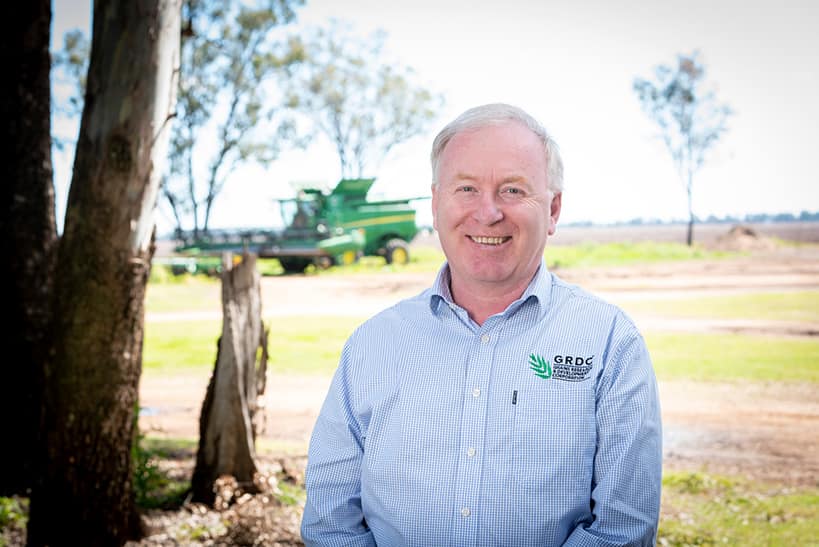
GRDC Managing Director Nigel Hart said GRDC, like others in the grains sector, welcomed the decision by the APVMA and would take time to review it in more detail.
“We are aware that the APVMA had insufficient data to support some use patterns and in some cases, this has led to a reduced application rate or extended withholding period, ” Mr Hart said.
“So GRDC will now consider whether additional scientific research is needed to address these data gaps. This may include data to support shorter withholding periods in pulse crops or to address rate limitations linked to risks to small granivorous birds.”
This type of research could take two-years and cost in excess of $500,000.
Mr Hart said GRDC had already invested significantly into alternative weed management options for growers.
“Last year we announced we would invest $47 million over five years in a national Weed Management Initiative. This initiative brings together Australia’s leading researchers and communications and extension specialists together to work on innovative, cutting-edge weed management research, development and extension,” he said.
“Under this initiative, researchers have investigated alternative approaches in response to glyphosate and paraquat resistant weeds. This work will be critical to understand how lower paraquat rates may affect weed control strategies.”
He said resources on alternatives or additives to paraquat were available on the GRDC website.
“We are also aware that agricultural chemical registrants are already investigating weed management options as a result of restricted paraquat access and are likely to seek registration of these concepts. In addition, new active constituents are being registered that may be used with, or as alternatives to, paraquat in some use patterns,” Mr Hart said.
He said GRDC would continue to work with industry, including chemical registrants, to help ensure Australian growers had access to effective crop protection options.
“We will continue to invest in non-chemical weed management options including competitive crop varieties, weed suppressive rotations and new technology such as harvester weed seed mills, microwaves, electrocution, and lasers that physically destroy weeds.”
About us: GRDC is one of 15 Rural Research and Development Corporations (RDCs) responsible for planning, investing in and overseeing research, development and extension (RD&E) for 27 leviable grain crops. Our purpose is to invest in RD&E to create enduring profitability for Australian grain growers.

