

Indigenous-led regenerative enterprise based in Cape York raises $600,000,
facilitated by Esparq Ventures
Australian Rural & Regional News found out more about the venture from Dominiqe Bird, Head of Advisory, Esparq Ventures. Find the full interview further below.
Esparq Ventures (Esparq), Media Release, 2 December 2025
Normanby Aboriginal Corporation (NAC) and Esparq Ventures have announced they have raised $600,000 as part of their mission to raise $10 million to commercialise, launch, and nationally scale their innovative and sustainable enterprise, Bush Beef.
Normanby Aboriginal Corporation, who operate a cattle station inland from Cooktown, together with Esparq Ventures, which is building a business ecosystem for Indigenous entrepreneurs to succeed, have raised $600,000 in combined support from the Macdoch Foundation, Bright Moon Trust, and a private trust.
This funding will be used to process and distribute Bush Beef’s uniquely sustainable and wildly harvested wild meat to chefs, wholesalers and consumers nationwide. This comes as ethical, climate-friendly food sources are in growing demand. With further funding, Bush Beef will be able to further accelerate its reach and scale.
Transforming an ecological threat into a scalable wild food venture
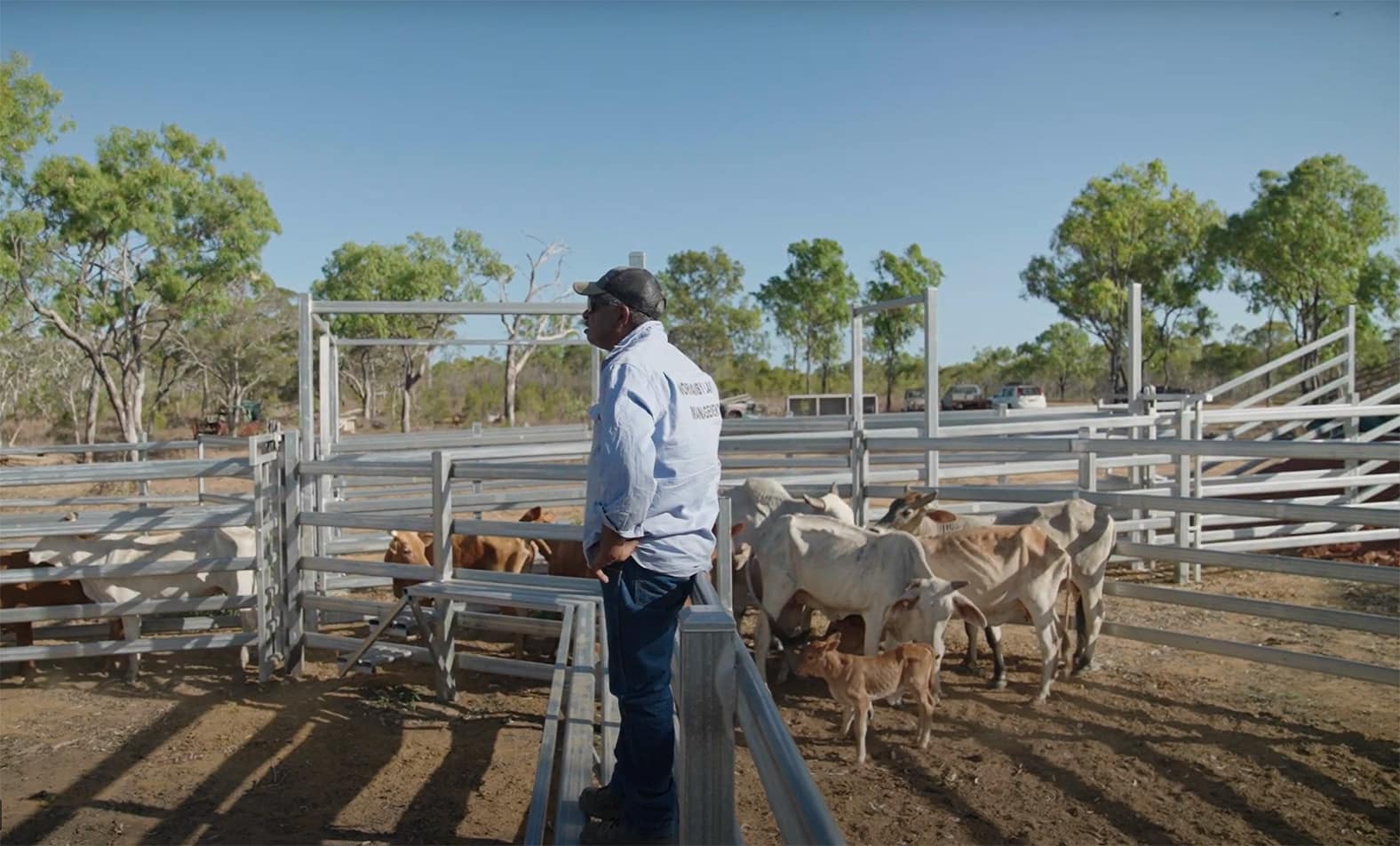
For years, unclaimed “clean skin” cattle across Normanby Station’s 30,000 hectares have eroded land, degraded riverbanks, and damaged cultural rock art sites. In response, the NAC established ranger programs to restore ecosystems, reducing the number of free-roaming cattle, but the by-product of this work had no viable outlet.
With research support from the Cooperative Research Centre (CRC), NAC began exploring ways to turn this challenge into opportunity. The result was Bush Beef: a direct-to-market approach showcasing the unique quality of wild-harvested, organic beef.
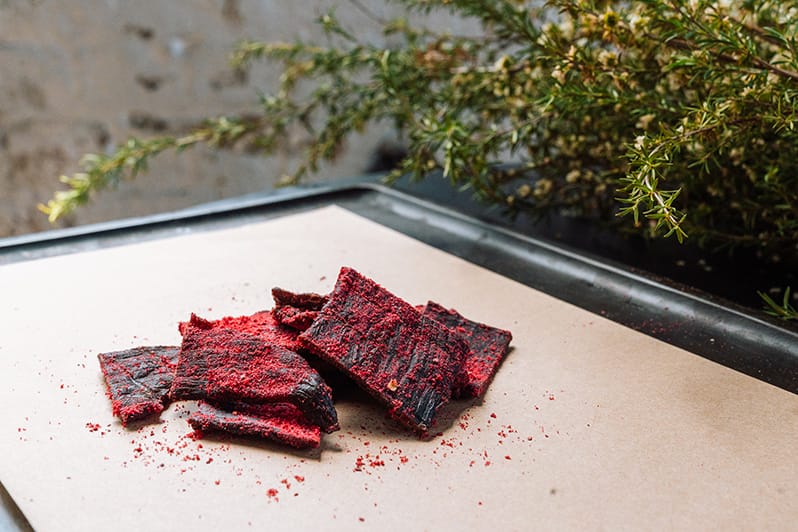
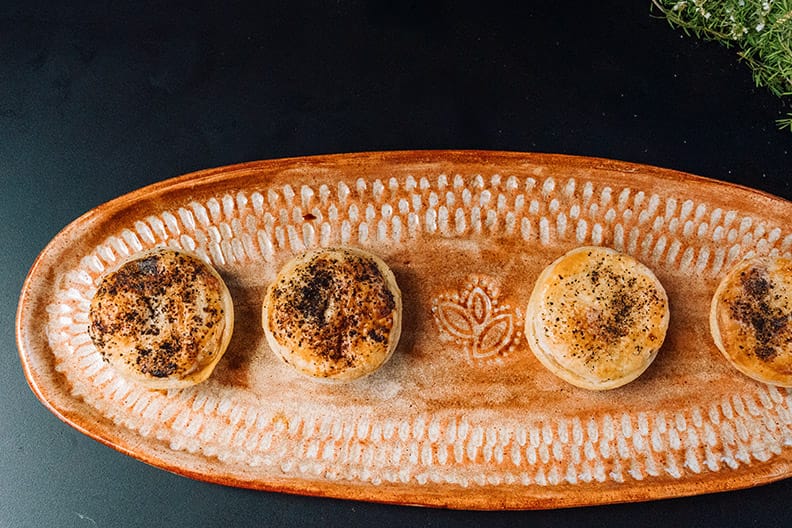
Bush Beef provides processing and distribution services of its signature wild food product, which is climate-friendly, sustainably harvested, and connected to Country.
Vince Harrigan, Managing Director of NAC, said, “Bush Beef is sustainably harvested, with no preservatives, chemicals, or traditional farming methods. It’s providing the true paddock to plate experience, giving Australians a wild food like no other. We’re turning a cultural and environmental challenge into an opportunity for our land and community.
“We thank the businesses and people who have backed us so far, and can’t wait to work with more values-aligned organisations and restaurateurs wanting to serve organic beef from some of the most remote paddocks in the world.”
A meaty $10 million opportunity to scale Indigenous innovation
In partnership with Esparq Ventures, NAC is looking to raise a total of $10 million to build Bush Beef into a premium Indigenous-led enterprise. The model has already demonstrated its appeal through successful pop-up events at select restaurants, where chefs and diners praised its clean, gamey flavour and strong provenance. Bush Beef is now in discussions with some of Australia’s leading restaurants, keen to feature this unique product.
Bush Beef are also in the process of developing food packs that can be sent and sold to regions that experience food insecurity due to natural disasters and major weather events exacerbated by climate change, including communities in Cape York.
The business model has been designed to be scalable and replicable. Traditional Land Owners in other states and territories could adopt this approach to deliver environmental, cultural, and economic benefits in their communities.
Dominiqe Bird, Head of Advisory at Esparq Ventures, said, “The market is hungry for ethical, wild food and climate-friendly sources of protein. Bush Beef is proving it can solve environmental challenges while delivering a premium, high-quality product. We’re proud to partner with NAC to bring such a unique offering to market, and we see huge potential for this model to be replicated by other Indigenous communities across the country.”
“Bush Beef is just getting started. We hope and invite other Indigenous communities across the country to work together to leverage our model and replicate our impact. For investors, partners, and other supporters wanting to be a part of this exciting venture in the early stages of commercialisation, we’re open to discussions with like-minded people looking for bold, relentless, and resilient entrepreneurs to back.”
Michelle Gortan, CEO of Macdoch Foundation, added, “We’re proud to be supporting Bush Beef, an exciting example of how First Nations-led agriculture can deliver environmental benefits, empower communities, and create economic opportunities for Indigenous entrepreneurs and businesses. We were drawn to Normanby Aboriginal Corporation for their commitment to addressing food security while managing Country and preserving cultural sites. Bush Beef is already reaching new heights and preparing to scale nationally after repeated, positive market feedback. We can’t wait to see how Bush Beef continues to grow and scale.”
Australian Rural & Regional News found out more from
Dominiqe Bird, Head of Advisory, Esparq Ventures
The business
ARR.News: $10 million is a great deal of money. Why is $10m needed to start up the business? What does the corporation have already and can you give a few more details about what this $10m will go towards? Could the enterprise get going with less investment if necessary? Is a staged approach possible?
Dominiqe Bird: Our long-term goal is to raise $10 million. So far, we have raised $600,000, and we’re thrilled with the momentum we’ve been able to establish with this initial funding.
In the last 12 months, we have collaborated with renowned Cairns-based chef, Oliver James, to design and develop unique Bush Beef pies and Bush Beef jerky using our delicious, organic meat from Normanby Station. These products were soft-launched at a pop-up at the inaugural Indigiearth Native Food Festival in Sydney and sold out within a few hours. The feedback from the attendees in Sydney was overwhelmingly positive, and we got the validation and initial support needed to confirm we’re on the right track.
We have also made strides in working towards addressing the food insecurity issue in many parts of regional Northern Australia, including the Cape York region. Particularly during the wet season or significant weather events, it can be challenging for local communities to access food products at all, let alone high-quality protein. We’re developing bespoke packages to be available to local communities to address this issue.
Looking ahead, we’re planning to commercialise and streamline our operations to establish a direct-to-consumer Bush Beef product supply chain and online sales platform. We’re looking forward to announcing updates on this availability to consumers in select regions and metro areas in early 2026.
As we work towards our goal of raising $10 million, the funds raised will go towards vertically integrating the supply chain for Bush Beef, specifically building an abattoir at Normanby Station and a warehouse production facility to develop value-added products. This would enable us to limit outsourcing, and keep more profit within the business, which could be redistributed and invested back in community. It would also enable more cost-effective delivery of food to local communities.
ARR.News: What can investors expect to receive in return for their investment?
Dominiqe Bird: There are financial, social, and environmental returns for investors. Once the business is up and running with a steady stream of products reaching consumers across Australia–which we know is just a matter of time based on feedback so far–our business model will enable our products and services to deliver a clear profit margin that will not only benefit investors, but also enable further investment back into the business to continue our growth trajectory.
The social and environmental returns are extensive. By removing unmanaged cattle from the land, we are preserving ancient rock art sites, restoring riverbanks and stopping land erosion that is having negative biodiversity and environmental impacts between the station and the Great Barrier Reef. Simultaneously, it’s removing unwanted methane emissions from the cows themselves, addressing what is a known and significant contributor to climate change.
Bush Beef is also creating jobs on Country, enabling financial stability and income for local communities and Traditional Owners, and helping to address issues such as food insecurity across the Far North Queensland region.
ARR.News: When does the business expect to begin to turn a profit?
Dominiqe Bird: Within 3-4 years.
ARR.News: How many people are involved/ engaged by the business now and how many are expected to be needed when it is fully operational?
Dominiqe Bird: Currently, there are 2 full-time staff. If fully operational with an abattoir and warehouse, 20-30 full-time positions would be needed.
The farming operation
ARR.News: Does this farming business have a limited life span? If the wild cattle are being harvested to reduce the environmental hazard, doesn’t that mean that the supply of cattle will decrease as they are harvested, so there will be less wild cattle? How will this work to both reduce the environmental damage and have a sustainable business? What is the balance here?
Dominiqe Bird: They breed rapidly in the wild, so herds will replenish each year. It’s not realistic to completely eliminate wild cattle; the goal is to control numbers. Once the Cape is under control, there’s still the NT and WA to contend with. This will require collaboration with other Traditional Owner groups, which the Normanby Station team is interested in pursuing. There are also other wild species, such as buffalo and goats, that can be incorporated into our product range.
ARR.News: What’s the history of Normanby Station? How did it get to the state where it had so many wild cattle and was not maintained (if that is so)?
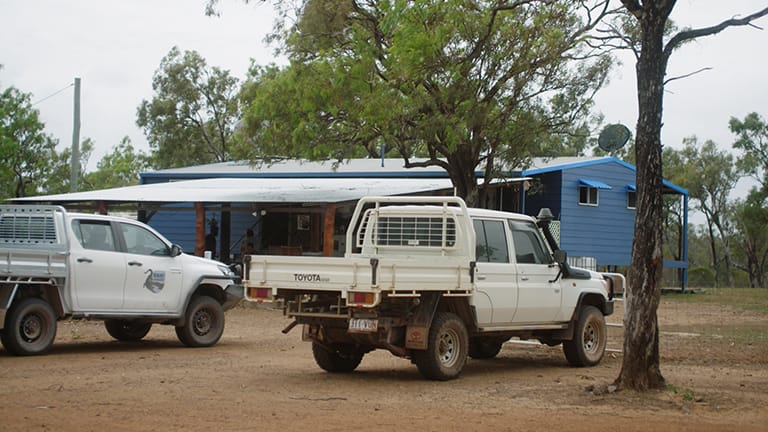
Dominiqe Bird: Normanby Station, located north-west of Cooktown, was handed back to the Balnggarrawarra people in the 1990s. The station, when handed back, was in disrepair with very little fencing. Normanby Station has been working hard to rebuild the property. Wild cattle are not unique to the station; they are everywhere due to neglectful farmers or station shutdowns, where it is easier to let them loose than deal with them. Cattle also regularly escape through broken fences. Cape York is so sparse that once they are free, they might never see a human again and will continue to breed in the wild.
The meat
ARR.News: What feedback have you had on the taste and quality of the meat from wild cattle compared to other meat?
Dominiqe Bird: There are some great testimonials from attendees of our pop-up in Sydney on our Instagram here. Overall, we were blown away by the positive feedback about not just the taste and texture of the meat, but also the story behind it.
ARR.News: What are the different views as to how the wild cattle meat is best prepared?
Dominiqe Bird: We’re working with Chefs on recipes that complement the product. It’s lean and slightly gamey, so slow-cooking breaks down the collagen and brings out the best flavour profiles. Also, jerky works well to bring out the product’s flavour.