


Regional and rural leaders, often working with limited resources and under mounting pressure, in times of uncertainty, it’s easy, and even human, to lean on hope. But as comforting as hope can be, it cannot substitute for strategy.
Hope is a powerful emotion, but alone it is not a strategy. Hope is not a plan, a decision-making framework, or a set of actions. What hope is a fuel, an essential emotional driver that can help sustain communities through hardship. But without the hard scaffolding of planning, adaptability, and execution, hope alone is not enough.
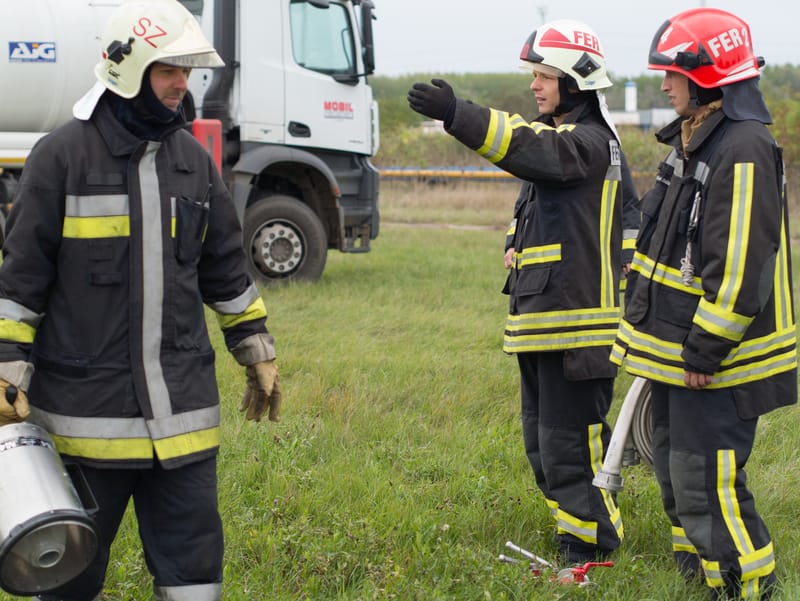
Hope needs to be grounded. In regional and rural communities, leaders are constantly facing variables beyond their control: Weather extremes, fluctuating commodity prices, changing government priorities, service closures, or population shifts. Communities cannot afford to wait passively for things to improve. They need leaders who understand how to hope wisely, by coupling optimism with realism, and vision with action. Hope without structure risks becoming false reassurance. And in the long run, ungrounded hope can erode trust, especially if plans are promised but never delivered.
You are only as strong as your contingency plan. Contingency planning requires leadership. It is the disciplined opposite of blind hope. It explores the art of the “what if” and explores five key contingency planning disciplines:
- What is the foreseeability of something occurring?
- What is the probability or likelihood it will occur?
- What are some preventability actions and risk mitigations to stop it from occurring?
- What are the likely consequences if it does occur (worst case scenario)?
- What are the actions to take and plan for when it does occur?
These questions aren’t signs of pessimism. They’re acts of responsible foresight. Leaders who engage in contingency planning are better positioned to pivot, respond, and recover, whilst also reducing the chaos and blame that often follow when unexpected events occur. Regional communities are very good at applying the above contingency planning framework for disaster scenarios such as bushfires and floods.
Good luck is where preparation meets opportunity, and when preparation proactively plans for and responds to potential risk circumstances
Planning for multiple scenarios doesn’t just protect assets and services, it protects morale. When a community knows its leaders have thought ahead, it instils a sense of confidence, even in difficult times.
Adaptability is a leadership imperative to navigate challenging times. Adaptability (the capacity to adjust strategies, embrace new ideas, and shift direction in response to change) is fast becoming the most critical leadership trait in regional Australia. Rigid plans can become liabilities if they don’t evolve. Today’s successful leaders are those who can reframe a challenge in real-time, experiment with new models, and mobilise quickly when conditions shift.
Hope has an important role and will always matter. While adaptability and planning are essential, it’s a mistake to assume that practical strategy alone can mobilise a community. People don’t rally around spreadsheets. They rally around belief, a belief that what they’re doing matters, that tomorrow can be better, and that their efforts are part of something bigger.This is where hope will always play a vital role in community resilience. In fact, hope and strategy are not opposites, they’re partners.
Hope gives people the energy to act;
strategy ensures their actions are effective.
A leader’s role is to generate momentum, by shining a light on progress, reinforcing agency, and celebrating achievement. Practical steps for leaders to lead beyond hope, include:
Create dynamic plans: Develop living documents that allow for change, include contingency pathways, and define triggers for when a pivot is needed (so people can foresee in advance and prepare themselves accordingly).
Diversify partnerships: Don’t rely on one resourcing stream, one supplier, or one solution. Build a coalition of allies (local, regional, and national).
Scenario plan as a team: Involve other staff, stakeholders, or community members in “what if” exercises to increase readiness, understanding and ownership.
Celebrate progress publicly: Highlight stories of adaptability, innovation, and courage in community forums, media, and social channels. A sense of progress fuels resilience.
Invest in local capability: Equip people with skills in planning, communication, actions, rehearsals, and problem-solving. Strong communities don’t just have strong leaders; they have many capable hands.
Hope alone won’t future proof a region. It won’t rebuild the town hall, attract new investment, or keep the school open. But hope, paired with strategy and adaptability, can become a powerful force for resilience and renewal.
Leadership Lesson
Regional and rural leaders can lead their communities through challenge, not by chance, but by design, by planning for contingencies, adjusting to change, and showcasing stories of success. Hope may not be a strategy but it is an essential ingredient in building a strong community.
Facts Non Verba – Deed Not Words

