


Eliza Pike, Gidget Foundation Australia Workforce Strategy Manager
Perinatal depression and anxiety (PNDA) affects up to one in five mothers and one in ten fathers across Australia – and for the seven million people1 living in rural and remote communities, these challenges are often intensified by barriers to mental health care.

The perinatal period – from pregnancy through to the first year of a child’s life – is a time of significant emotional, physical and social change. PNDA can present as persistent low mood, anxiety, fatigue, difficulty bonding with a baby, irritability, and changes in sleep or appetite. When left untreated, it can impact parent-infant bonding, relationships, and child development.
In fact, one study has revealed that women from rural communities with depression were found to have higher parenting stress,2 yet for so many parents in regional and rural Australia, help is often out of reach.
With Gidget Foundation Australia seeing a 132 per cent increase in clients accessing perinatal mental health counselling since 2020, access to timely, specialist care has never been more important.
Why regional and rural families face greater barriers
Families in regional and rural Australia may face multiple challenges in accessing health care. These include long wait times, limited local services, high out-of-pocket costs, and the need to travel long distances to receive care – often while managing pregnancy or caring for a newborn.
For parents already under pressure, these barriers can delay or prevent them from seeking support if they are experiencing PNDA, which we know can exacerbate symptoms. These access barriers also place additional strain on GPs and local health services, who may not have specialist perinatal training to provide tailored support, making early intervention more challenging.
Additionally, regional, and rural families often experience higher levels of social isolation and reduced access to informal support networks, which can significantly impact mental health during the perinatal period. The lack of anonymity in small communities can also deter help-seeking, particularly when stigma around mental health persists.
Workforce shortages and difficulties attracting and retaining skilled health professionals further compound the issue, resulting in gaps in continuity of care and fewer opportunities for timely referrals to specialist services.
These systemic challenges mean that regional and rural parents are more likely to experience undetected or untreated perinatal mental health issues, contributing to poorer outcomes for both parents and infants.
How telehealth is bridging the support gap
Telehealth offers flexible, confidential, and often more affordable care options, allowing parents to receive psychological support from the comfort and privacy of their own home. This is especially valuable during the perinatal period, when mobility, childcare responsibilities, and emotional vulnerability can make in-person appointments challenging. In doing so, telehealth helps overcome geographic, logistical, and social barriers, supporting earlier intervention and improved outcomes for parents and infants alike.
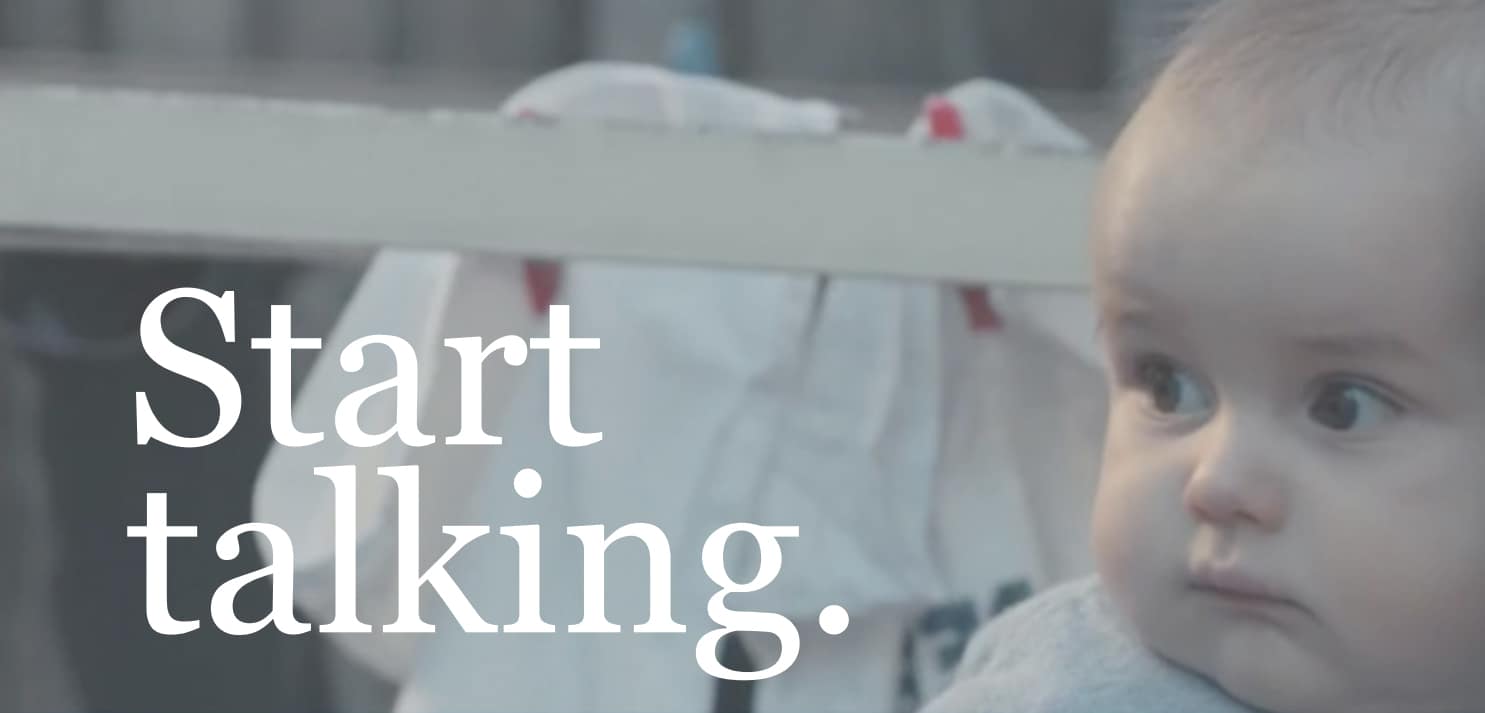
Gidget Foundation Australia’s Start Talking program is helping bridge the support gap, providing free, specialist perinatal mental health support to parents across Australia via telehealth.
This includes support for parents who have experienced a pregnancy or childbirth-related loss, such as stillbirth, miscarriage or termination within the last 12 months, with partners also able to access the service. The model addresses key access barriers by removing travel and cost burdens and providing flexibility to fit around childcare and work schedules.
Through the program, regional and rural parents can access up to 10 sessions, free of charge, with a qualified perinatal mental health clinician with a GP referral and short to no wait times.

Effectiveness of telehealth support
Studies show that telehealth counselling is just as effective as face-to-face care,3 and integrating telehealth into antenatal care does not compromise pregnancy outcomes.4 Telehealth also enables expectant and new parents to access early psychological support during pregnancy, which we know can reduce the risk of complications and contributes to healthier outcomes for both parents and infants.
Parents can also receive continuity of care by connecting with the same clinician throughout pregnancy and into the postpartum period, regardless of location or circumstance changes.
Addressing cost, time and stigma for regional and rural parents
One of the major advantages of telehealth is its ability to reduce both direct and indirect costs. There are no out-of-pocket expenses for Start Talking clients, and no need to take time off work or pay for travel and childcare. For rural families, these practical barriers are among the biggest reasons support is delayed or missed altogether.
Flexible appointments also mean parents can access help outside traditional business hours. This is especially valuable for shift workers, FIFO workers, or families on farms or remote properties with limited daytime availability.
Telehealth also helps reduce stigma that still surrounds mental health in some communities by allowing parents to access support privately, without needing to explain long absences or attend appointments in small towns.
A necessary part of modern perinatal care
For many regional and remote families, telehealth is more than just convenient – it’s their only realistic option for accessing the care they need.
Importantly, it supports early intervention. The sooner a parent receives help, the better the outcomes, for themselves, their baby, and the wider family unit. For parents, expanding and raising awareness about free telehealth services like Start Talking is essential to closing the perinatal mental support health gap.
With effective telehealth models readily available, parents in regional and rural Australia will be able to access to timely, specialist care, regardless of their postcode.
About Gidget Foundation Australia: Gidget Foundation Australia is a not-for-profit organisation that exists to support the emotional wellbeing of potential, expectant and new parents, to ensure they receive timely, appropriate and specialist care.
As the national leading provider of perinatal mental health services Gidget Foundation Australia offers year-long, free, specialist perinatal mental health psychological services, via face-to-face and telehealth; and invests in retention, engagement, and development of its 175+ clinicians through an innovative training, mentoring and supervision workforce development program.
About Gidget: Gidget was the nickname of a vibrant young mother who tragically took her own life while experiencing postnatal depression, a diagnosis she kept close to her heart. Together her loving family and friends created Gidget Foundation Australia determined that what happened to Gidget would not happen to others.
References
1. https://www.aihw.gov.au/reports/rural-remote-australians/rural-and-remote-health
2 https://onlinelibrary.wiley.com/doi/full/10.1111/ajr.12934
3. https://pmc.ncbi.nlm.nih.gov/articles/PMC8956990/
4. https://www.thelancet.com/journals/landig/article/PIIS2589-7500(23)00151-6/fulltext

