

Isolated Children’s Parents’ Association, April 2026
“Mobile connectivity in the regions is not a luxury; it is a critical and essential service.”
That was the tone set at the Senate inquiry into the Telecommunications Legislation Amendment (Universal Outdoor Mobile Obligation) Bill 2025 [on 20 April 2026] where the Isolated Children’s Parents’ Association (ICPA) gave evidence on behalf of remote families.
The ICPA is framing mobile connectivity as a basic service on par with electricity and water, and questioning whether the government’s proposed laws meet that standard.
While the organisation acknowledges the Universal Outdoor Mobile Obligation as a positive step, it warns the “universal” framework risks falling short, with legislation too vague to guarantee real connectivity for isolated Australians, particularly where telcos cannot justify investment in these remote areas without government support.
Federal Vice President Sally Brindal told the inquiry that without clearer obligations, remote communities will continue to be left behind.
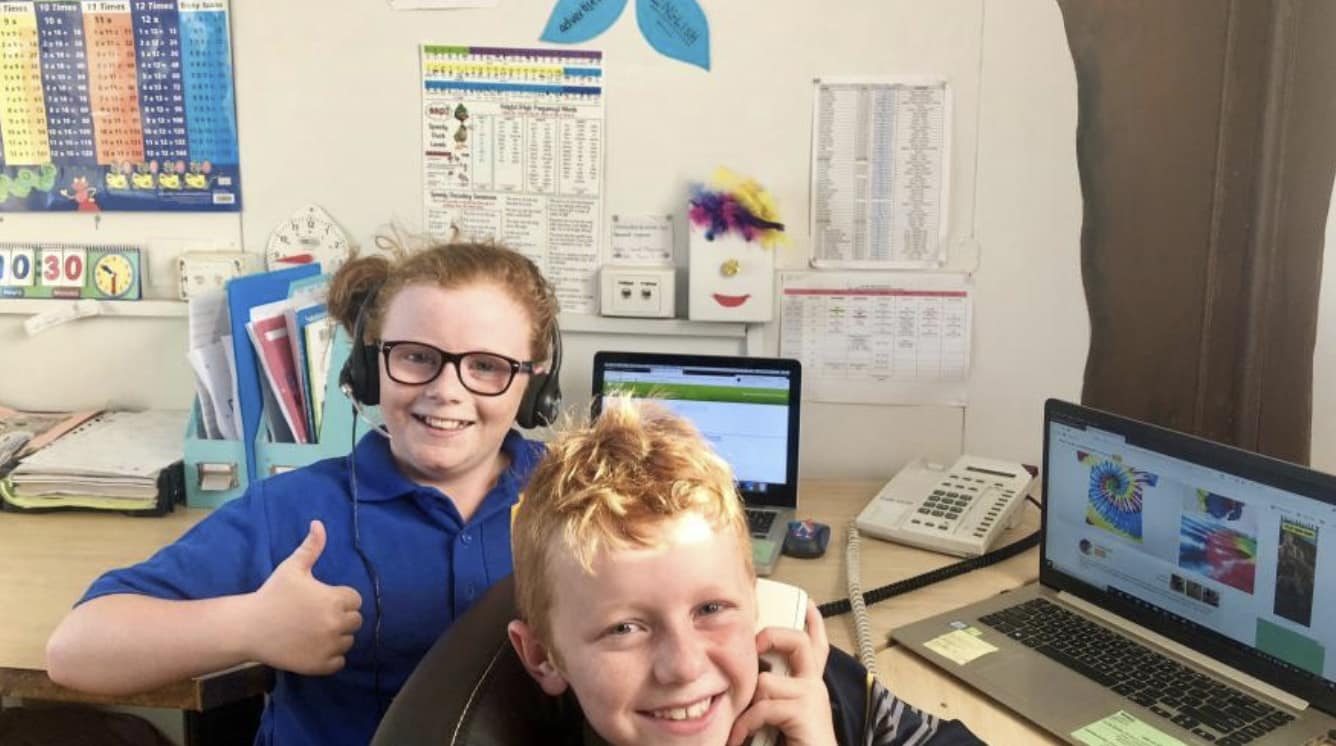
For these families, the issue is not convenience. It’s safety and access. Without reliable mobile coverage, emergency services and urgent medical care can be out of reach. For children relying on connectivity for education, the consequences are ongoing and compounding.
ICPA argues that if the Universal Outdoor Mobile Obligation is to live up to its name, it must deliver genuinely equitable access, not just broad intent.
Attributed to Sally Brindal, ICPA Federal Vice President:
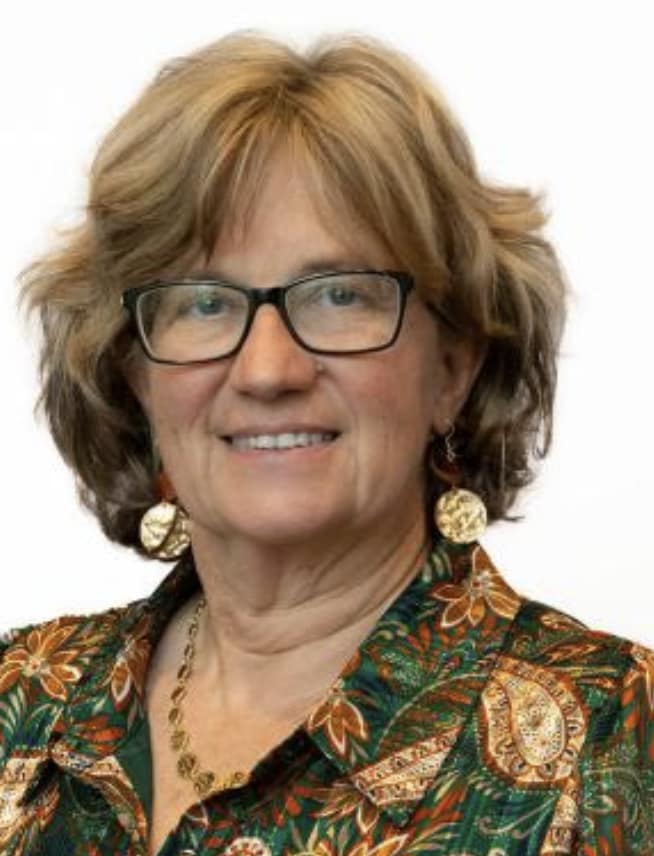
“Rural and remote Australians deserve equal access to reliable, affordable and resilient mobile connectivity. The UOMO is a step in the right direction, but only if it is backed by enforceable standards and clear definitions.
Without that, the promise of ‘universal access’ risks remaining more aspirational than real.”
“To succeed, the UOMO must be strengthened through clear performance standards, enforceable timelines, independent auditing, affordability measures and explicit protection for terrestrial infrastructure. Only then can it deliver on its promise of universal access “with no Australian left behind.
“In essence, rural and remote Australians do not just need coverage, they need coverage that is reliable, affordable and resilient. The UOMO is a step forward but without stronger definitions, safeguards and funding support, it will remain a missed opportunity to bridge Australia’s digital divide.
“Telecommunications are essential to any modern economy, however for far too long people that live, work and are educated in geographically isolated locations have had to put up with a less than equitable situation with regard to their telecommunication access and this has been a core part of ICPA (Aust) advocacy for many years.”
Member stories
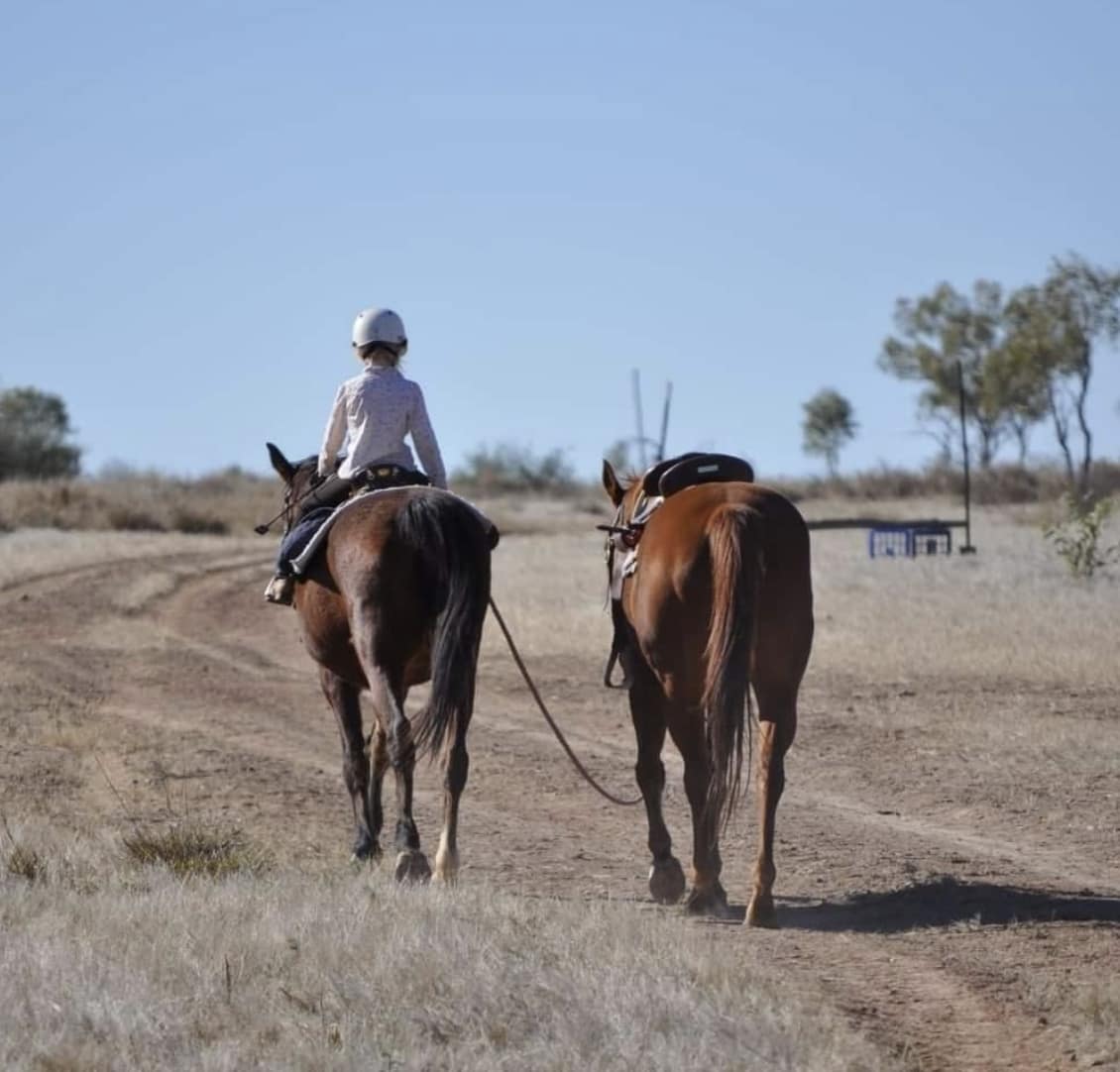
Here are just two of the member stories from the ICPA federal conference in 2024 that illustrate difficulties suffered by isolated parents and children.
Nerida and her three primary school aged kids live 35 km outside of Pooncarie
To facilitate phone calls, in 2024 the family gained 3G access via a booster which did provide reliable phone connectivity for safety to, for example, call an ambulance or for help on farm if needed. With the 3G shutdown looming, Nerida was increasingly nervous about how she would access any form of connection to the outside world. She had Telstra out and they have confirmed they would not have access to 4G – so no booster will give them coverage and no power means no connectivity or ability to call out and seek help.
Farms are dangerous places and connectivity is needed!
Nerida invested $4.5k in Starlinks for the home as she would not have any form of connectivity after the 3G shutdown. The Starlinks are at the house, the schoolhouse and the governess’s house to provide alternate and reliable connectivity. However, Starlinks need power to operate, so, again, no power means no connectivity or ability to call out and seek help.
Their property gets many, many power cuts. Unplanned power cuts happen weekly. Planned cuts happen quarterly for a full day.
Rachel from Julia Creek in Qld says:
“We had no internet in town for three days, no notice from Telstra. The kids had to go to a cafe for school where there was a Starlink.
“Their middle school is run in a schoolroom but they have no teachers, so the kids are supervised by a non-teaching qualified staff and they’re taught online via school of the air, so quite literally, they need connectivity to do their schooling.
“Earlier this year, Telstra gave no notice for an outage which meant the whole town had no connection. So the supervisor then shipped the kids off to the Smart Hub, which is a council-owned building in town where people can access internet etc. But because the outage was via Telstra, and not power etc, the Smart Hub also had no connectivity. The school supervisor then scrambled to call the cafe to see if she could use their Starlink. So the kids are then schooled on the cafe floor for 3 whole days until Telstra restored connectivity.”