


Koala Clancy Foundation, Media Release, Staughton Vale, 30 April 2026
Koala monitoring on a tree planting site beside the Moorabool River, Victoria has shown an unexpected growth in koala observations in just one year.
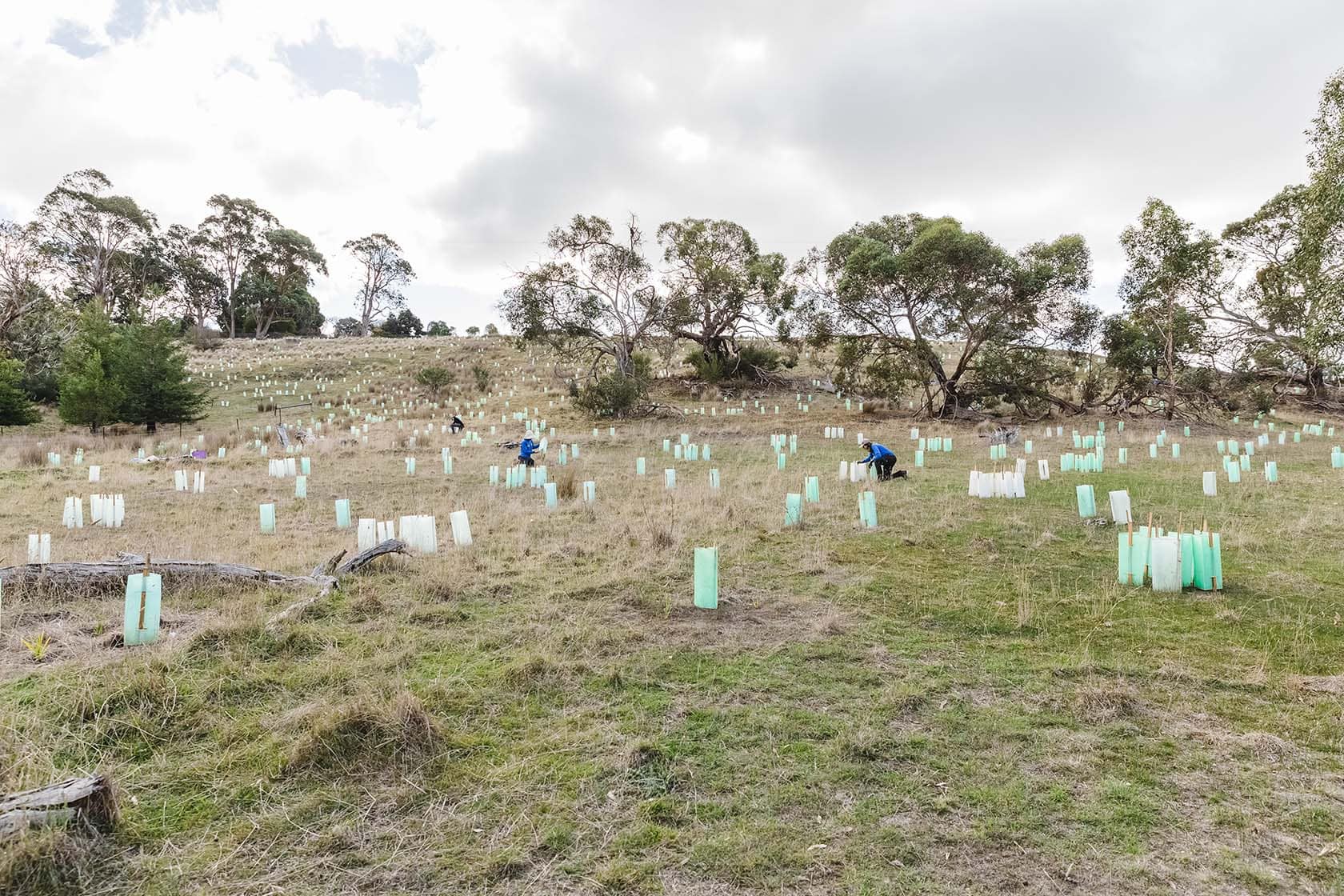
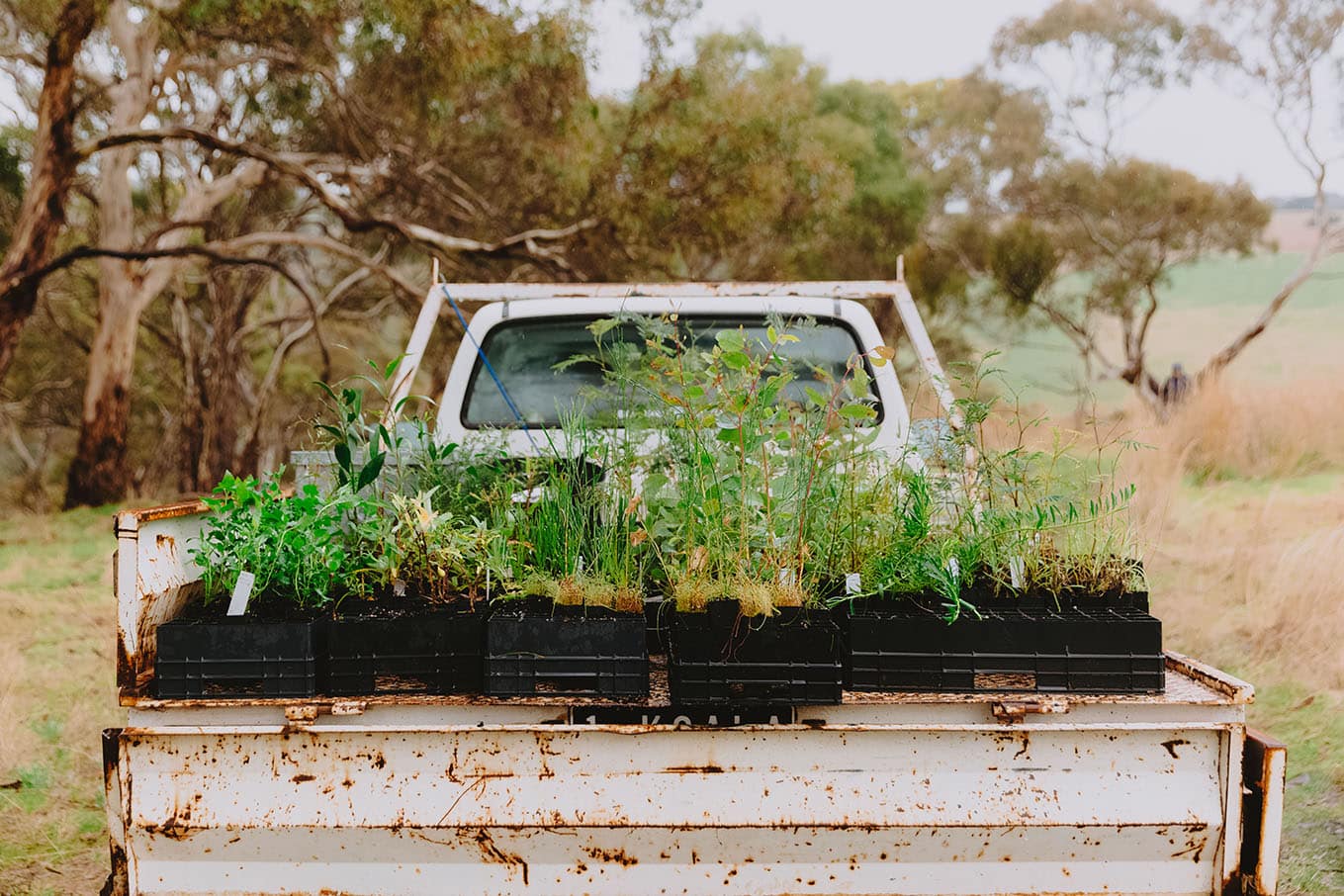
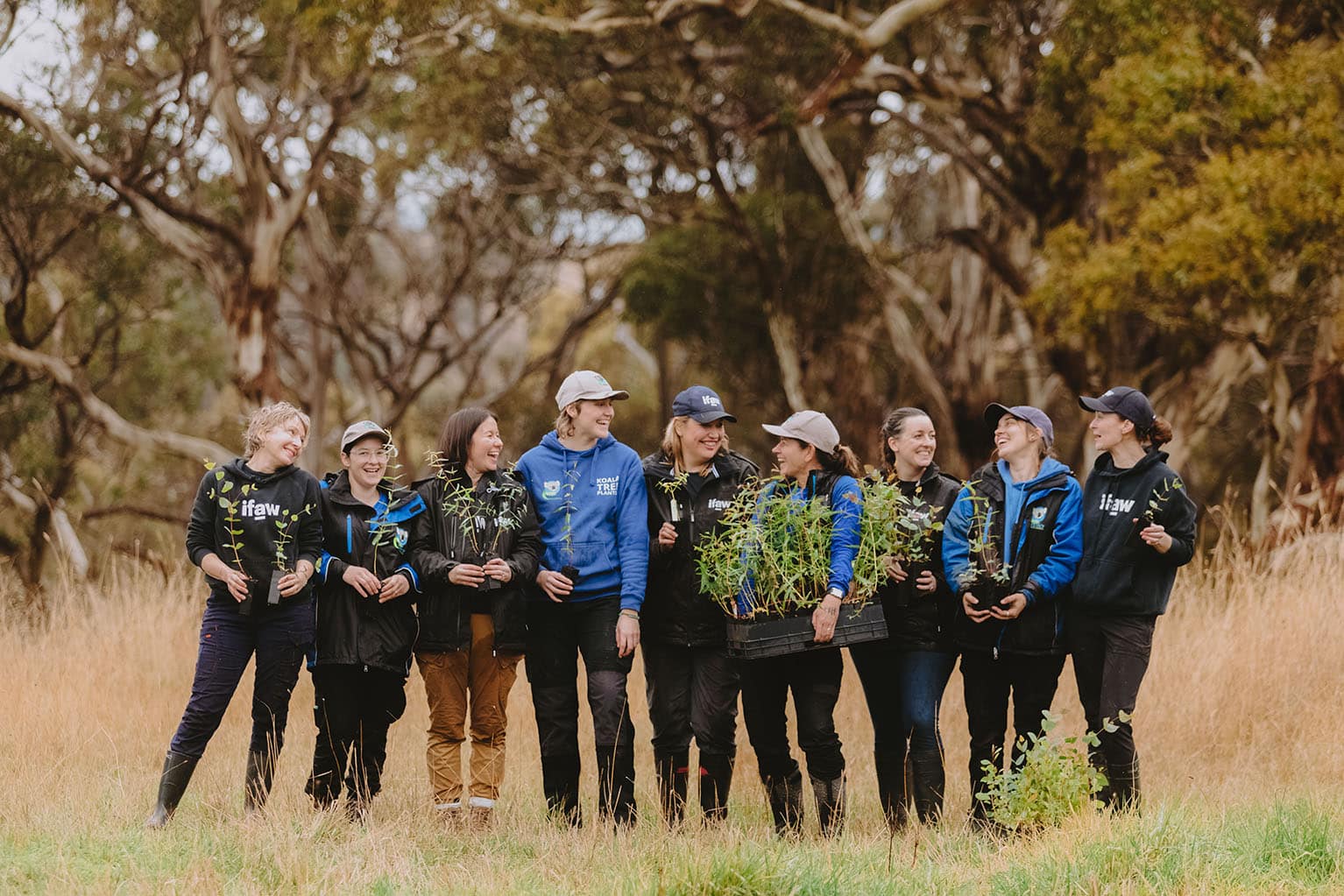
More than 11,300 koala trees and shrubs were planted on the site by Koala Clancy Foundation and the International Fund for Animal Welfare (IFAW) in the winter of 2023 and 2024. In November after each planting, audio recorders were set up to monitor the koala population.
Monitoring koalas by audio recorders is a widely-used and non-invasive method that records adult males calling in breeding season. Female koalas do vocalise too, but less often.
Koala tree planter Janine Duffy said that not many koalas were expected in the first year while the trees were still small.
“In the first year we recorded four koala calls – not many, but a good start, and showed that the site had potential to be good for koalas,” said Janine.
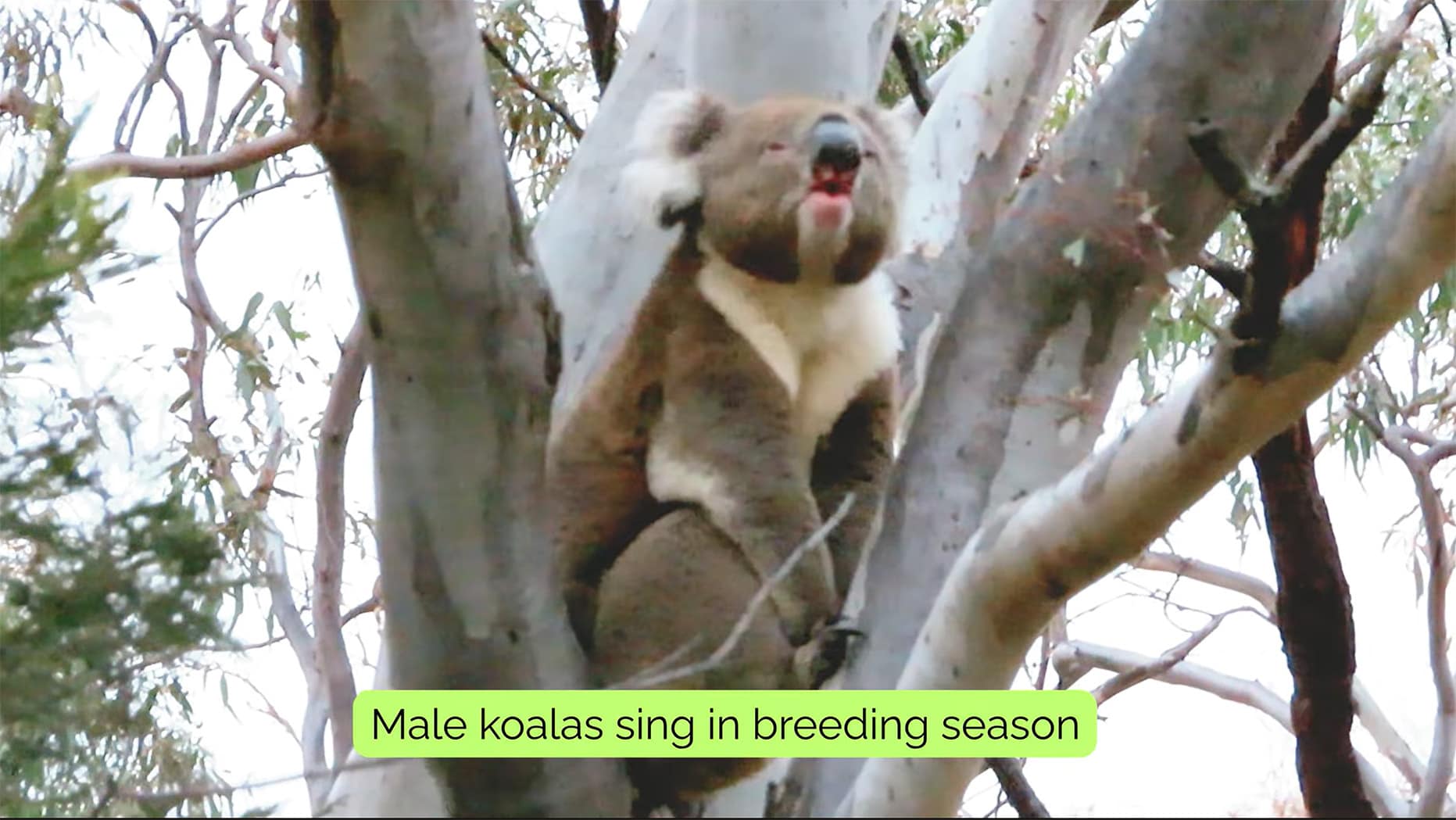
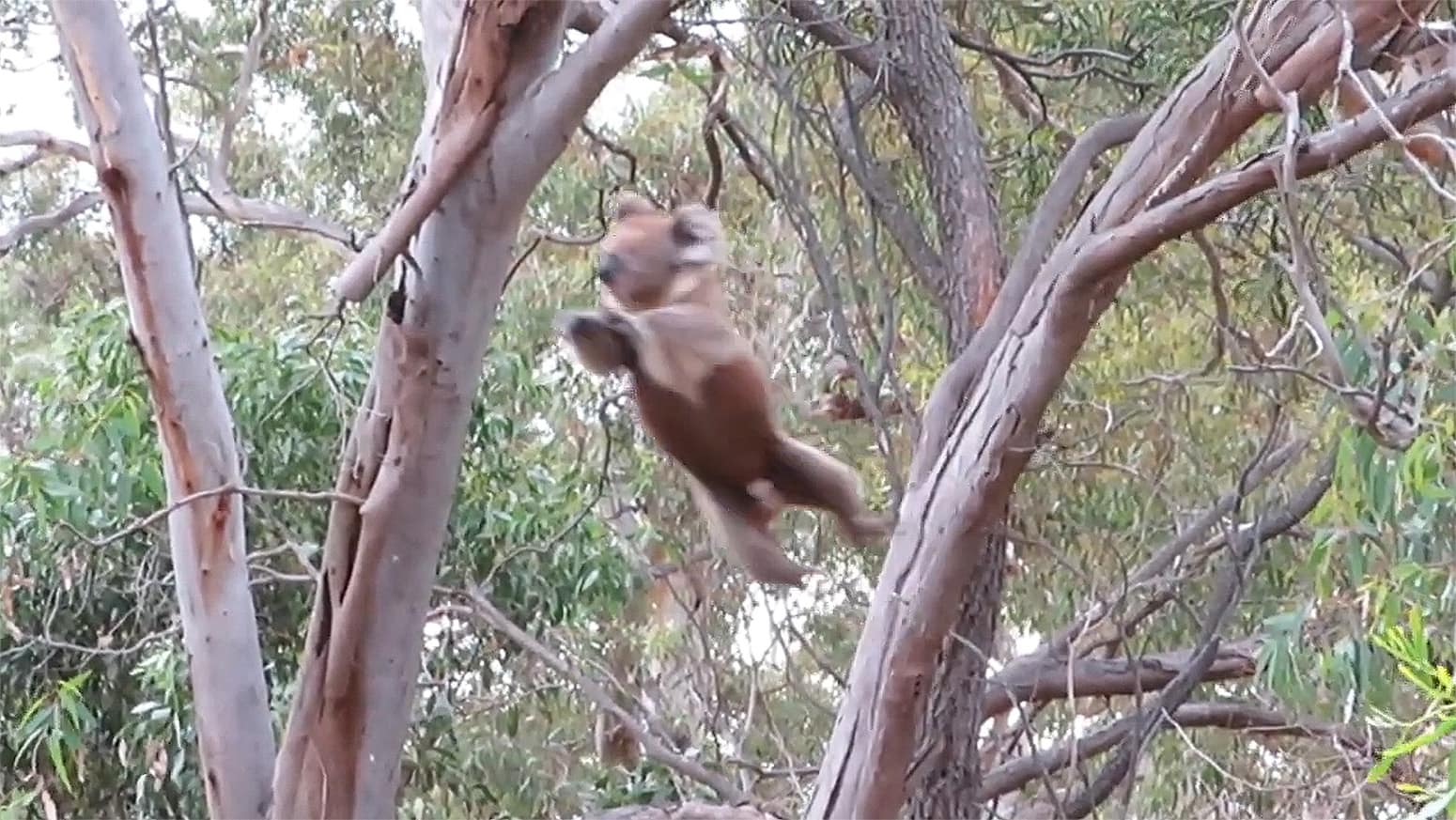
“We were blown away to hear that koala calls had tripled in the second year of monitoring,” she said.
“We really hoped to find an increase in koalas using the property as a result of our revegetation, but we expected it would take more than just one year!”
“Several different males were heard on the recordings, and there was even a short recording of a female and male mating.”
IFAW head of programs Josey Sharrad said the project was an important one, and one close to her heart.
“Koalas across Australia are disappearing as their homes are cleared, so hearing their calls return to this landscape after just a few years is incredibly powerful,” Ms Sharrad said.
“These trees are still young, yet koalas are already using the site. It shows just how desperately koalas need safe habitat, and how quickly they will respond when we give it back to them.”
”This project proves that restoration works. Knowing that something we planted with our own hands is already helping koalas survive fills me with hope for their future.”
More information at our new blog here: https://www.koalaclancyfoundation.org.au/koala-tree-planting-leads-to-increase-in-koala-numbers-and-duration-of-stay/
The exciting news comes just in time for the tenth anniversary of Wild Koala Day on Sunday 3 May, 2026. Read more about Wild Koala Day here.
About Koala Clancy Foundation
Koala Clancy Foundation plants trees for koalas, creates new habitat, educates the local and wider community, supports scientific research and advocates for protection of wild koalas and their forest habitats. To date the organisation has planted 185,397 koala trees and shrubs beside rivers on Melbourne’s Western Plains and in East Gippsland, Victoria and is on track to plant 300,000 koala trees on the Western Plains by 2030. Koala Clancy Foundation is an independent registered charity and not-for-profit organisation based in Staughton Vale, near Geelong, Victoria.
Related stories: Koala.


Lots of hungry koalas! They’ve been eating seedlings in a nursery on NSW north coast, so it’s not surprising they’re attracted to them after planting. Problem is not loss of habitat but too many koalas. Ironically IFAW is increasing animal welfare problems.
https://connectsci.au/wr/article-abstract/44/7/471/40796/Ecological-history-of-the-koala-and-implications?redirectedFrom=fulltext
Vic Jurskis, in this region, that is nonsense. I’ve spent my working life looking for koalas here. I know how to find them and their signs. I have documented their decline in my region. I don’t know what region you are talking about, but it’s always dangerous to make blanket statements. Please be specific. Where are there too many koalas?
Thanks Janine. There are many more koalas across a much wider range than when Europeans arrived. They were invisible in 1788 and increased to plagues 100 years later before numbers crashed in the Federation Drought. There are unsustainably high numbers again in much of their range. Explorers and settlers didn’t see any koalas in your area of open grassy woodlands because they weren’t there:
https://connectsci.au/wr/article-abstract/44/7/471/40796/Ecological-history-of-the-koala-and-implications?redirectedFrom=fulltext
Sorry Vic, other science doesn’t appear support your conclusions. The paper you have featured isn’t open for viewing – could you send it to me in full? I note that it has been cited 5 times, twice in papers co-written by yourself, another in a forestry and wood products paper.
Thanks Janine, “other science” ignores the first century of koalas’ history after Europeans arrived. And recent effective surveys show ten times the numbers estimated by ‘experts’. I will happily supply the Ecological History paper, that the ‘experts’ don’t want to know about. [Ed: paper forwarded privately]
Janine, I trust you received the paper.