


In Australia, the use of animals to solve various human problems is neither increasing nor decreasing. This process is becoming more humane and effective. This change is driven by public opinion and advances in science and technology. Society is working to protect animals from excessive cruelty. And new discoveries and inventions offer new opportunities for this. Although there are some minor challenges, overall, the use of specially trained animals is moving in the right direction.
History of the use of specially trained animals
The widespread use of specially trained animals for human needs began in Australia about 3,000 years ago. Dingoes (Canis dingo) became for the Australian Aborigines to a large extent what ordinary domestic dogs are to all people today! Yes, the Aborigines used wild dingos as companion animals. Dingoes served therapeutic purposes for the indigenous Australians, and they also helped them hunt and guard their homes. This was the first and most unusual use of specially trained animals by humans. European settlers attempted to replicate the Aborigines’ success in training dingoes, but their attempts were unsuccessful. Dingoes remained wild animals to them.1
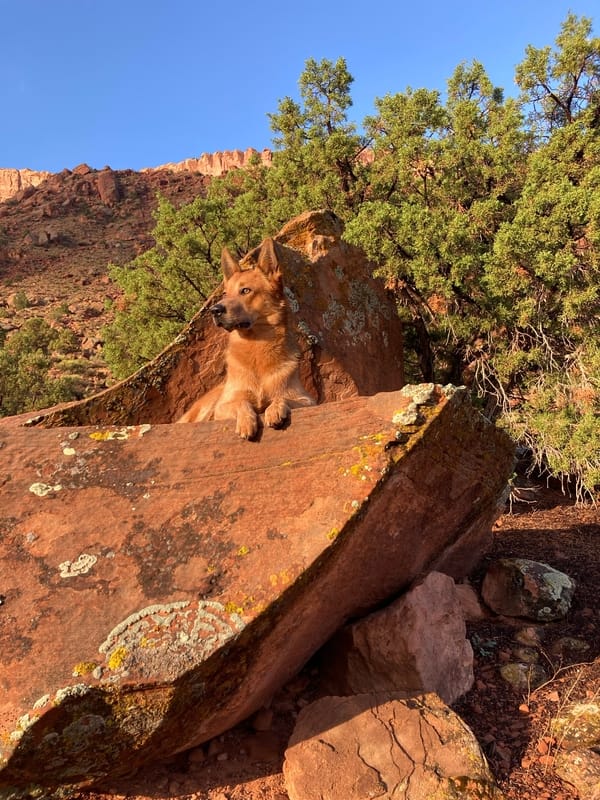
However, the Europeans who settled Australia contributed to the use of other specially trained animals.
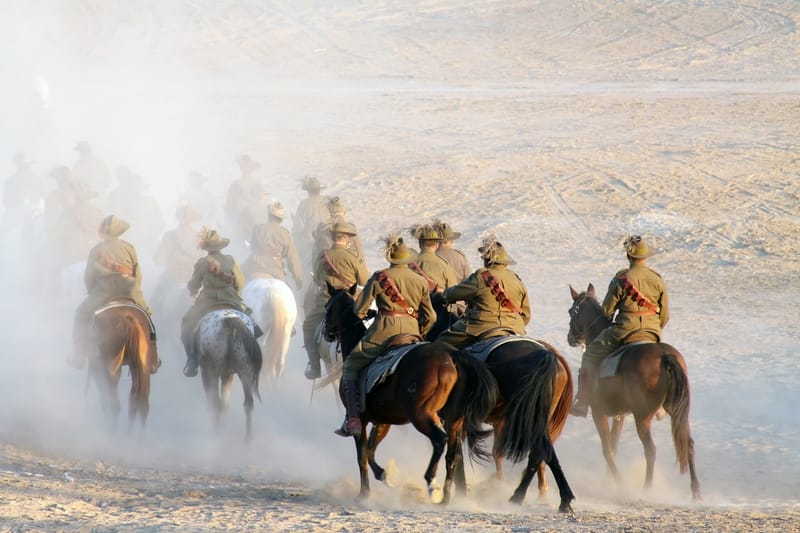
Early in history, horses were the most widely used specially trained animals in Australia. In 1814, Australian farmers began exporting draft horses to New Zealand.2 Nearly 100 years later, approximately 400,000 specially trained horses from Australia – the “Walers” – served in the Boer War and World War I. Only one of these horses returned home. It was a horse named Sandy, owned by General Bridges.3 Until almost the mid-20th century, the army was the largest owner of specially trained animals. In addition to horses, it officially used camels, pigeons, donkeys, mules, dogs, and even kangaroos.4 These animals were used to transport people, cargo, and send urgent messages. However, in the second half of the 20th century, the situation changed.
Current situation
Nowadays, civil society has become the primary consumer of specially trained animals. And the types of animals used have changed dramatically. In still comparatively peaceful and highly-developed Australia, the mass use of animals for security, transportation of people, goods, and messages has become unnecessary. Instead, Australians have come to rely on animals for assistance in everyday life, medicine, science, and even wildlife conservation. Modern trained animals are divided into several classes:
- Assistance/service animals. These animals are primarily dogs trained to assist people with disabilities, in accordance with the Disability Discrimination Act 1992 (Cth).5
- Therapy animals. Dogs, horses, and other animals that provide social and emotional support to people6 in hospitals, nursing homes, and educational institutions.
- Detector animals. These are typically dogs used to search for bodies,7 drugs, weapons, or even rare wildlife.8
- Performance animals. These include horses, dogs, cats, birds, snakes, and so on.9 These animals perform not only in circuses or TV shows but also participate in sporting competitions.10
- Companion animals. This category includes any pet that has undergone training.11
- Animals for scientific and medical purposes.12 These are typically small rodents, primates, or pigs.
- Guard and shepherd animals.13 In this case, we are talking primarily about dogs guarding livestock.
Forecast for the future
Since the middle of the last century, the use of animals for public performances and for scientific and medical purposes has changed significantly.
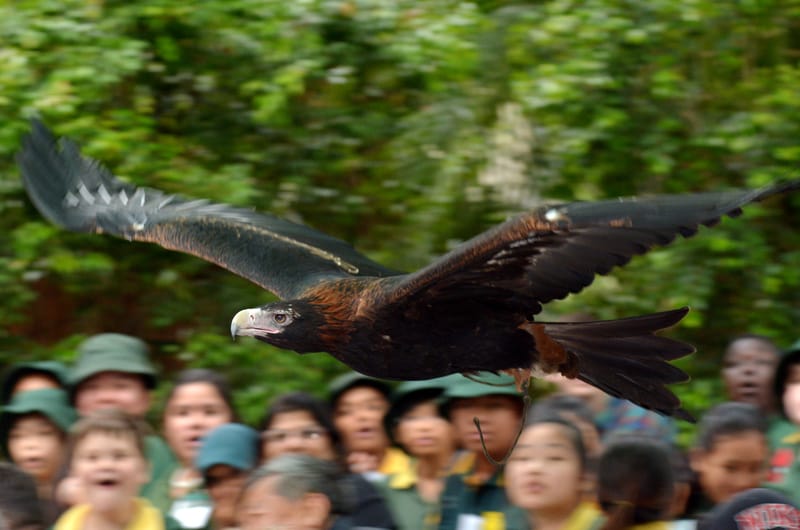
The weight of public opinion is against the exploitation of animals in circuses. Animal tricks are considered unnatural and dangerous. This has already led to some results. For example, in 2021, the exploitation of exotic wild animals in circuses in Australia was banned.14 This occurred because insurance companies stopped insuring these animals. Without insurance, the exploitation of animals in circuses is impossible. For now, domestic animals continue to perform in Australian circuses. This occurs even though Australia has no national welfare standards for circus animals.15 Therefore, there is public momentum towards a complete ban on the use of animals in circuses. Such a ban has already been enacted by law in 45 countries.
The Australian public also opposes the use of animals for medical and scientific purposes. This includes animal testing of new drugs, practical training for surgeons, and other cruel practices. The public movement against this began over 10 years ago. Even then, advances in science and technology had made it possible to replace animals with artificial materials. For instance, since 2012, Australian surgeons have been provided with special simulators that replace animals in surgical skills training programs.16
In addition, legislative efforts are underway in Australia to make the use of animals for medical and scientific purposes more humane. In 2022, the New South Wales Parliament held a special inquiry on this topic.17 In 2023, a CSIRO initiative was developed aimed at replacing animals with alternative means for medical research.18
Sooner or later, both of the above trends will lead to a significant restriction or even a complete cessation of the use of animals in circuses and for scientific purposes.
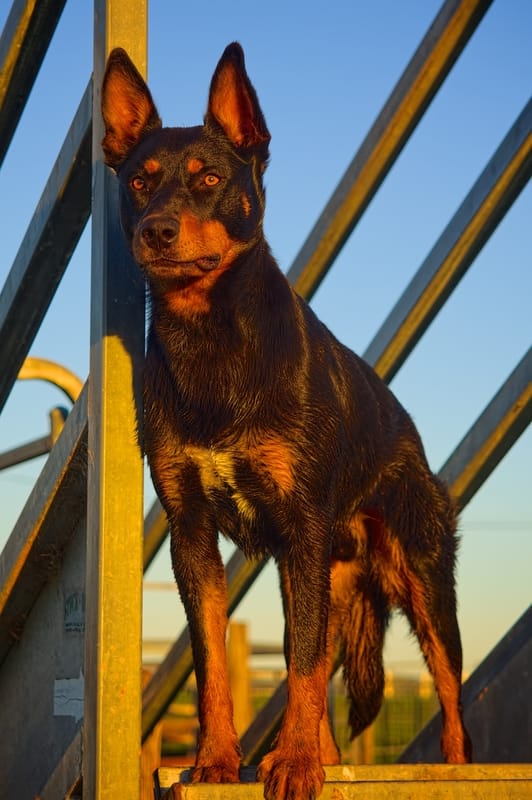
At the same time, some classes of service animals will continue to thrive. One of the most important is the “Guard and Herding Animals” class. These are primarily Australian working dogs. The basis for these animals’ prosperity is their large numbers and economic viability. Working dogs are also closely linked to Australian culture and history. And the use of these animals is humane and therefore does not anger the public.
There are estimated to be over 270,000 stock herding dogs are involved in the Australian economy.21, 22 The economic impact of these dogs is approximately $3 billion per year. And the return on investment in Australian working dogs is fantastic. A well-trained dog can herd 2,000 sheep or 500 cattle. This is equivalent to the capacity of a single hired employee. As a result, farmers using dogs can save tens of thousands of dollars per year on employee salaries.22
Most Australian working dogs belong to four breeds: the Australian Kelpie, the Australian Cattle Dog (Blue/Red Heeler), the Koolie, and the Australian Stumpy Tail Cattle Dog. These dogs are respected and loved by Australians. Every year, many events dedicated to working dogs are held in Australia, and the best of them are even recognised.23
Specially trained animals will continue to play a significant role in Australian society. But perhaps the impact of animals on we humans will be assessed differently. Some scientists believe that it’s not just people who train animals, but also animals who train people.19 At first glance, this seems a bold hypothesis, but only at first glance. If we look at the salaries of animal handlers, we find that the average annual salaries for the top 20 professions range from 52,000 to 90,000 Australian dollars per year.20 Isn’t this reason enough for people to pay attention to animals?
References
1. https://www.mdpi.com/2076-2615/12/17/2285
2. https://auslivestockexport.com/about-alec/industry-history
3. https://awamo.org.au/about/about-the-animals/
4. https://anzacportal.dva.gov.au/wars-and-missions/ww1/military-organisation/animals-in-military
5. https://animaltherapies.org.au/animals-helping-humans/
6. https://therapyanimals.com.au/
7. https://www.abc.net.au/news/2023-08-09/cadaver-dogs-specialist-animals-helping-find-deceased-people/102701038
8. https://sg.news.yahoo.com/australian-dogs-trained-sniff-endangered-species-063219950.html
9. https://animalsinaction.com.au/
10. https://www.lawsociety.com.au/sites/default/files/2019-12/LS3264_YL_FactSheet_Animal_Law_Entertainment.pdf
11. https://tasaa.com.au/
12. https://www.nhmrc.gov.au/about-us/publications/australian-code-care-and-use-animals-scientific-purposes
13. https://pestsmart.org.au/toolkit-resource/guardian-animals-for-livestock-protection-and-wild-dog-exclusion/#:~:text=Guard%20animals%20are%20used%20to%20protect%20livestock,Maremmas%20*%20Llamas%20*%20Alpacas%20*%20Donkeys
14. https://www.rspcasa.org.au/australia-circus-animal-free/
15. https://www.al.org.au/circuses
16. https://www.medicalrepublic.com.au/college-stop-using-live-animals-training/1026
17. https://www.parliament.nsw.gov.au/lcdocs/inquiries/2857/Report%20No.%2059%20-%20PC%202%20-%20Use%20of%20primates%20and%20other%20animals%20in%20medical%20research%20in%20New%20South%20Wales.pdf
18. https://www.csiro.au/nonanimalmodels
19. https://www.psychologytoday.com/au/blog/long-fuse-big-bang/202207/how-animals-train-humans
20. https://au.indeed.com/career-advice/finding-a-job/jobs-that-work-with-animals
21. https://www.wellbeingintlstudiesrepository.org/cgi/viewcontent.cgi?article=1002&context=spwawel
22. https://www.anz.com.au/bluenotes/2025/august/working-dogs-agri-whitehead-muling-economy/
23. https://arr.news/2025/10/27/all-hail-the-duke-cobber-crowns-australias-hardest-working-dog-for-2025/

