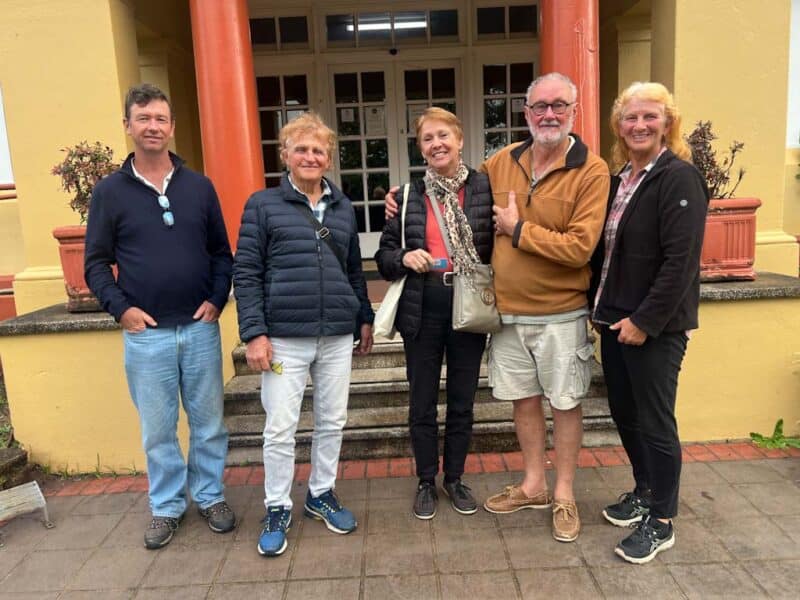
“Most people’s litmus test as to how well their world is going is that they can buy a loaf of bread, a litre of milk and some fuel on the way home – then all is okay.”
Collins Creek resident Ray Skelton said this when he addressed council at the June 9 Kyogle Council meeting.
Helen Kerr also spoke during public access where residents can apply to speak for five minutes about a topic on the agenda.
Councillor Olivia Taylor had put forward the motion about food security.
“Many community members are prepping for food security,” Ms Taylor said.
“I attended the Collins Creek community group and learnt to pressure can (my grandmother used to do it) and I’ve got chickens now.”
Ms Taylor said she is looking at her land to see what else she can do.
And she wants the council to promote food security measures to residents.
“Oil underpins almost every aspect of our modern life – from farming and freight, and employment, to production of food,” Ms Taylor wrote in her rationale presented to the meeting.
With conflict again heightened in the Strait of Hormuz as Iran bombed a ship, oil and fuel prices continue to remain uncertain.
This has amplified the conversation around food security.
Ms Kerr said she had a professional background in oil vulnerability.
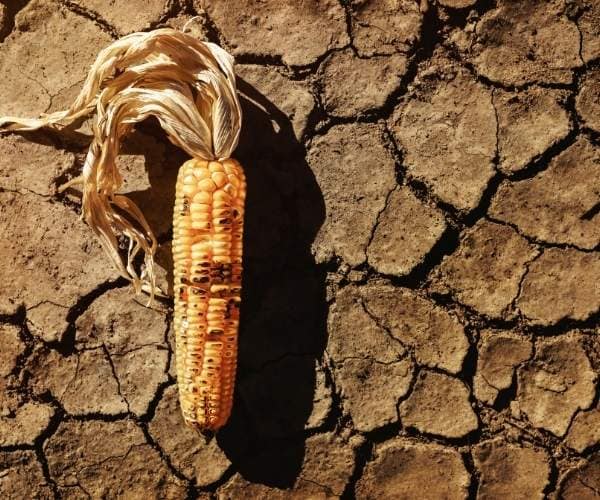
She likened preparation for global economic shock like preparing for bushfire season.
“Everything appears fine now,” Ms Kerr said.
“You can buy fuel and food although it is expensive.”
For four years, Ms Kerr has been part of the Collins Creek Food Security Group.
“It’s an ideal time for the community to come together.”
Mr Skelton said we’ve had local disruptions before from covid and the war in Ukraine invasion and the blockage of the Hormuz canal.
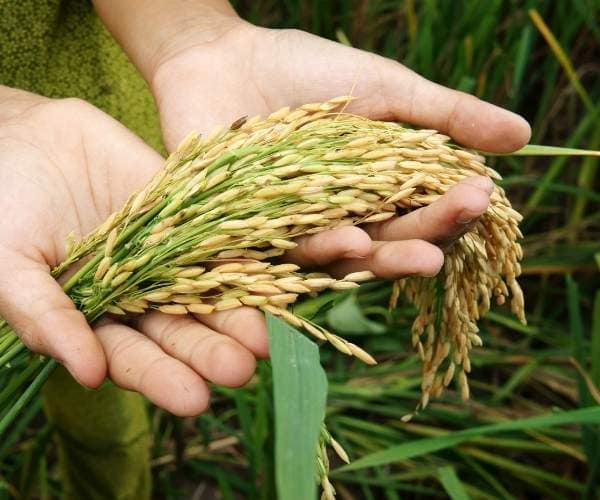
Fuel and fertiliser were the products Kyogle farmers needed most.
“I know of farmers who have decided to either plant less and use their regular inputs, or plant the same quantity and use less inputs during current cycles at least,” Mr Skelton said.
“Either way, there will be less product being put into the market as a result.”
Mr Skelton said one way to deal with food uncertainty was to do what your parents and grandparents did by growing and sharing food.
“This was, and still is, called homesteading,” he said.
Ms Taylor said younger generations were getting into homesteading.
“It’s what families moving into our area want,” she said.
“At the end of the day, it is up to the individual to decide.
“Council cannot singlehandedly fix the food security issue, but it can take the lead.”
Various groups were practising self sufficiency and food security and while it was locally based, Mr Skelton wanted to see the council be proactive and provide ways to involve the wider community.
This could be through information sharing, consulting communities and providing a platform where groups’ production could be shared.
The council responded with this comment, which has been summarised here:
Research conducted by the Australian Institute found that 64 per cent of Australians are interested in growing their own food and this number increases to 78 per cent in the 18-39 age bracket.
However, the biggest barrier to growing food is the knowledge of how to do it.
Grow It Local is a council-enabled program that helps local governments connect, educate and inspire residents to grow food at home, school or in community gardens. In doing so, the program aims to increase food security while at the same time increasing food waste diversion and avoidance, improving community health and wellbeing, improving community connectivity, and increasing biodiversity outcomes.
The program has been adopted by 28 local governments so far and growing.
The program includes a website platform providing access to all resources and information for residents on how to grow food at home; monthly 1-hour online workshops with some of Australia’s leading gardening presenters and educators including Costa Georgiadis and ABC Gardening Australia presenters; a seed service complete with free heirloom seeds and how to grow videos presented by Costa Georgiadis (the council nominates how many free seeds to provide to residents).
It is recommended that Kyogle Council promotes the program to residents. Residents can then sign up at a cost of $10 per month or $100 per year per person/household.
In addition, the program founders are interested in engaging with the Northern Rivers Joint Organisation of councils to ascertain whether there is appetite for the program to be rolled out more across the northern rivers area.
Mayor Danielle Mulholland said “food security is a critical issue for our community.”
After some discussion, the motion present by Ms Taylor was carried.
Read the council’s full statement here.
If you are a local group doing things differently, let the Indy know so we can share the information.
This article appeared on indyNR.com on 12 July 2026.