Patricia Gill, Denmark Bulletin
Former pharmacist and Denmark Shire councillor Adrian Hinds, 87, wants banks to allow non-computer users to make cheque payments when cash is not appropriate.
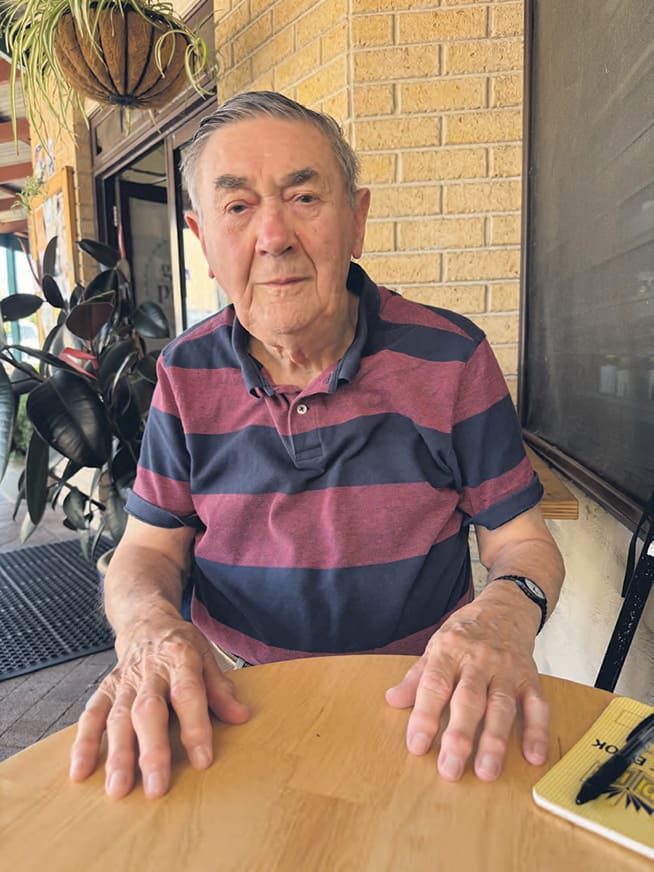
Mr Hinds does not want to name the banks which had branches in Denmark where he held accounts but says after Bank ‘A’ closed he transferred his personal account to one of the remaining bank branches, Bank B.
He cannot use a computer and could continue to pay for his day-to-day needs from the Bank B account using cash or paying with a card for utilities at the Denmark Post Office.
But he said that with only 3 per cent of bank customers still using cheques extending the service would not be a big cost to banks.
He prefers to use cheques believing there are insufficient protections for bank customers from fraudulent electronic transfers from their accounts.
Mr Hinds operated a self managed superannuation fund account and offshoot term deposits but needed to close these when Bank A ceased operating the Denmark branch.
He sought help from the Albany branch and says although the staff were helpful they did not have the authority to close the account so he opted to do so in Perth.
An alternative was to move his business to Bank C, which had a Denmark branch but the closure of that branch was looming.
Because Mr Hinds no longer holds a driver’s licence due to failing eyesight, he took a bus to Perth, stayed two nights in a motel at a cost of $500 and took the bus home to Denmark.
He said this was preferable to catching the bus to Albany, attending to his affairs, maybe unsuccessfully, staying overnight and then catching the bus back the next morning.
In 2005, Mr Hinds had part of his leg amputated due to bone cancer and these days he has hearing loss.
Complicating the process of closing the self managed superannuation fund with Bank A and opening it with Bank D, which has a Denmark branch, was the need for his SMSF fellow director son, Tom, to sign forms.
He is based in Canberra, enrolled in the Australian military and is often sent away from home.
Mr Hinds dislikes this condition believing directors could misuse their authority.
Disabled women unable to access her pension
Mr Doherty describes their joint efforts as the blind leading the blind.
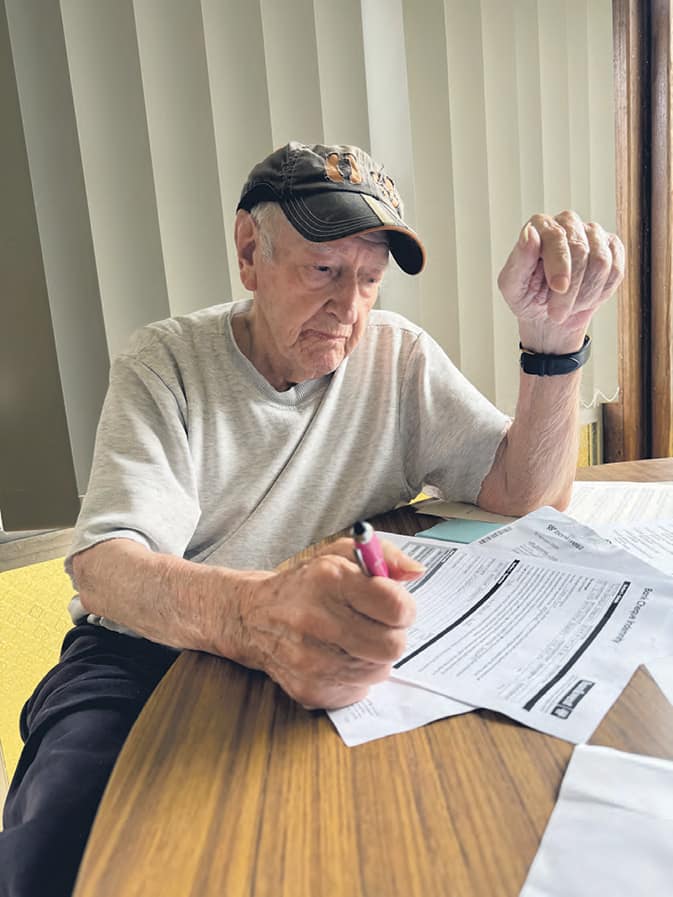
The woman cannot use an ATM, mobile phone or computer but she can use her own landline.
Both Mr Doherty and the woman had to contact Centre Link so their pensions would be paid into the Commonwealth Bank branch.
Mr Doherty sent the woman to the bank with a handwritten note to set up a Commonwealth account but after two months nothing had been done.
The woman had no money to access until her pension was paid into her new Commonwealth account and several cash transfers were made with the assistance of a staff member.
After four months since the Bank West branch closed and became the Commonwealth Bank branch the woman transfers her money in $2000 cash withdrawals, using some of the cash to pay her bills.
This is not a satisfactory arrangement for the amount of money to be transferred.
“This is the best solution they could come up with,” Mr Doherty said.
The woman has been advised to use Perpetual Trustees to help her transfer the money but she and Mr Doherty do not trust the company.
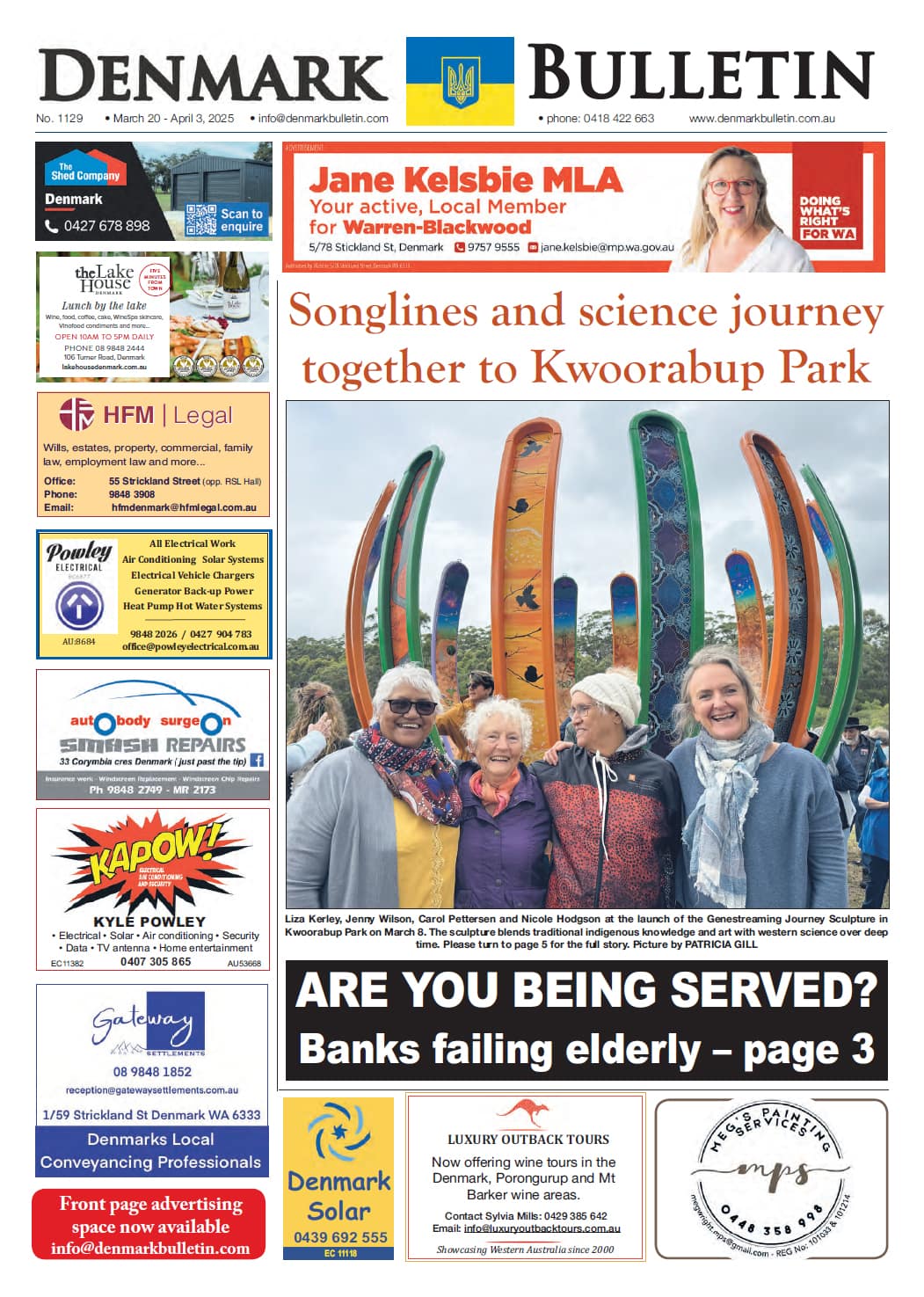
This article appeared in the Denmark Bulletin, 20 March 2025.
Related story: Help needed from overseas