

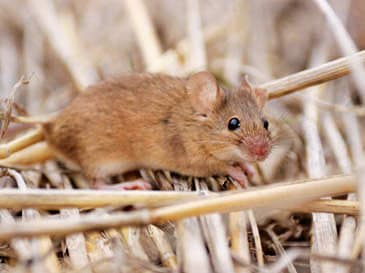
Grain growers are urged to check their paddocks for signs of mice, with reports of activity in South Australia, Western Australia and parts of northern NSW.
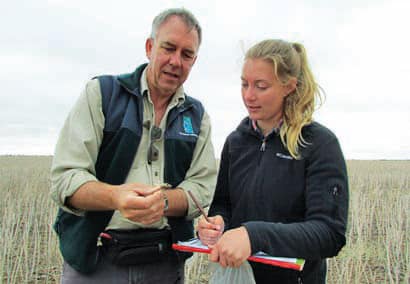
CSIRO rodent expert Steve Henry, who is one of the lead researchers on GRDC-supported investment into mouse management, is reminding growers that conditions are ripe for mouse breeding at this time of year.
“Mice start breeding at 6 weeks old and have litters of 6 to 10 pups every 19 to 21 days. Breeding starts in spring and can continue through to late autumn. If conditions are favourable, the rate of increase is dramatic.”
Mr Henry urges growers to monitor their paddocks through this period, taking steps to reduce sources of available food.
“While mouse numbers vary across cropping zones, if present in high numbers, they could have devastating impacts on crops being sown,” he says.
“It is imperative growers get out of their vehicles, walk into their paddocks and get a good feel for what is going on with respect to current mouse numbers and activity. High stubble loads can hide the signs of mouse activity.”
Current farming systems such as no-till farming provides food and shelter for mice and may inadvertently contribute to the increased prevalence of high mouse populations, providing the right conditions, like shelter and food, for mice to survive year-round.
Where farmers would once prepare soil for their crop through ploughing and land preparation, now, they are leaving their soil undisturbed.
Key management recommendations for growers
- Actively gauge mouse numbers by walking through paddocks — use mouse chew cards and active burrow counts to gauge mouse presence and activity. Mouse chew cards can be ordered from GRDC on 1800 110 044 or ground-cover direct@canprint.com.au.
- If mice are present at sowing, bait at or as soon as possible after sowing to prevent damage to the freshly sown crop.
- Talk to bait suppliers early to ensure timely supply. As with use of any agricultural chemical, use the product in accordance with the label and report any adverse or off-target effects via the Australian Pesticides and Veterinary Medicines Authority (APVMA) website.
Growers should be aware that only baits containing 25 g/kg zinc phosphide are registered for use by the APVMA.

This article appeared in Allora Advertiser, 13 May 2026.

