

Hugh Schuitemaker, Murray Pioneer
A 5c on the dollar return for unsecured creditors of Salena Estate, in the wake of the winery’s sale, is “another devastating blow” for the Riverland wine industry according to senior local politicians.
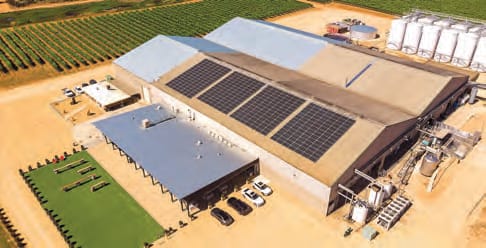
Salena Estate creditors last week approved a sale of the vineyards, winery properties and equipment to an entity associated with China’s Tianyu Wool.
However, Chaffey MP Tim Whetstone said a reported return of 5c on the dollar for unsecured creditors would have negative economic effects on the surrounding community.
“It’s a changing of the guard for what has been a good Riverland business,” Mr Whetstone said.
“But I want to make sure the new ownership does provide some certainty for the area”¦ we’ve got to make sure that asset can be used to the benefit of the region.
“The dividend of 5c on the dollar”¦ that really hurts. That hurts the region, and it hurts the individual.
“People that have been supporting that business, in some cases for a decade, are being hung out to dry. I would like to think those creditors, whether they be local or not, will be given some assurance.”
Tianyu Wool, led by billionaire Qingnan Wen, has recently purchased numerous agricultural landholdings across Victoria. The Advertiser reported a $9.2m payment would be made for the Salena Estate sale.
Mr Whetstone said ensuring the winery returned to operation was crucial to the Riverland wine industry’s overall recovery.
“I would like to think that we as a region will see the benefits of a new owner, and the connection between the new owner and this region needs to be harnessed,” he said.
“It can’t be understated how important it is for that relationship to grow, and give some certainty to an industry doing it tough.”
Barker MP Tony Pasin said the situation “reinforces the need for government to support the inland wine sector through what is a major re-adjustment of the industry globally”.
“The collapse of Salena Estate, leaving millions of litres of bulk wine effectively without a home (and) suppliers to be paid only five per cent of what they are owed is another devastating blow to growers and the Riverland wine industry more broadly,” Mr Pasin said.
“Governments around the world have acted to support their growers to either exit the industry or move to alternative crops for the benefit of their regional economies and communities as global wine markets adjust to changing consumer behaviour. Without government support during the transition of the Australian wine sector, we will likely see an increase in insolvencies, each one reverberating throughout Australia’s inland wine regions.
“I have been calling on government to step up on this issue for over two years now. I reiterate my calls for government to immediately increase resources and expand the team of Rural Financial Councillors in South Australian and I strongly encourage growers and suppliers of Salena Estate to seek financial advice from the team at Rural Business Support.
“Anyone feeling overwhelmed, please make use of mental health and wellbeing services available.”
Salena Estate had entered into administration in February.
Riverland-based MLC, and opposition spokesperson for regional South Australia, Nicola Centofanti said examination of arrangements between wineries and grape growers was required.
“While there is some good news with the local winemaking business being able to continue through the sale to a new owner, it is really unfortunate to read reports that some creditors will only receive 5c in the dollar,” Dr Centofanti said.
“This is an ongoing problem that grape growers are unsecured creditors in normal contractual arrangements with wineries and really highlight the issues relating with the current commercial trading in the wine sector and renewed focus on the wine industry code of conduct.”

This article appeared in the Murray Pioneer, 23 October 2024.

