

Riverland-based MLC, and opposition spokesperson for regional South Australia, Nicola Centofanti, has provided the following speech she gave in Parliament regarding concerns for the listing of the Lower Murray as a threatened ecological community as part of the Environment Protection and Biodiversity Conservation Act 1999.
Nicola Centofanti, Murray Pioneer
I rise today to discuss a pressing issue regarding the Federal Government’s proposal to classify the Lower Murray as a threatened ecological community under the Environment Protection and Biodiversity Conservation Act 1999 (otherwise known as the EPBC Act).
This proposal, while Labor might spruik that it is well intentioned, raises serious concerns that we must address thoroughly.
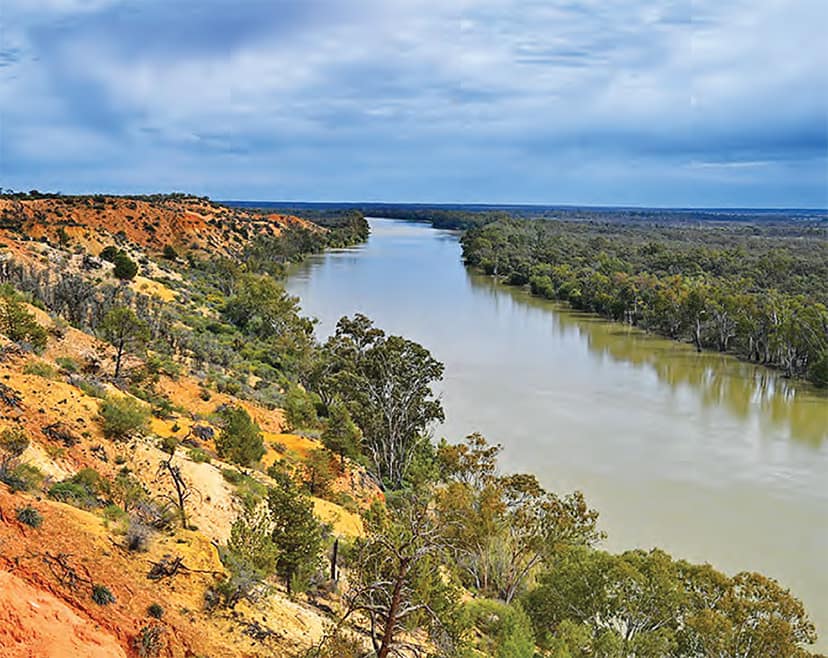
First and foremost, we must express our concerns as a Liberal opposition about this proposal. The Federal Government seeks to list the Lower Murray, which includes significant riverine and flood plain ecosystems, as a critically endangered ecological community.
While the intent to protect our environment is commendable, we must consider whether this classification will effectively achieve that goal.
The core of our argument lies in the understanding that the species and habitats within the Lower Murray are already protected under existing legislation. This redundancy calls into question the necessity of additional classifications that may not provide any real benefits but instead complicate existing regulatory frameworks.
It is essential to acknowledge the historical context surrounding this proposal. Just prior to the federal election in 2013, the then Labor Federal Government pushed through regulations for the inclusion of the Lower Murray in the EPBC Act.
However, when the Coalition government took office, a disallowance motion was successfully passed, emphasising two key points: the potential for increased bureaucratic hurdles, or ‘red and green tape’, that would impede development in the region; and the existing protections already in place that were deemed sufficient to safeguard the environmental health of the area.
Previous South Australian Labor water ministers have assessed and ultimately rejected similar calls for inclusion in the EPBC Act. In fact, it was Ian Hunter who rejected the proposal back in 2013.
These decisions were based on comprehensive evaluations indicating that the existing protections were adequate for preserving the ecological integrity of the Lower Murray. The arguments presented during that time remain relevant today, and we must carefully consider the implications of this new proposal in light of that history.
It is crucial to remember that the species and habitats along the Lower Murray are already safeguarded under various frameworks, including the Murray-Darling Basin Plan. This plan represents a bipartisan agreement aimed at sustainable management of our nation’s largest river system. It imposes stringent limits on water extraction to protect the vital ecosystems supported by the river and its flood plains.
The recent amendments to the Water Act 2007, collectively known as the Water Amendment (Restoring Our Rivers) Bill 2023, reinforce these protections. This legislative framework not only recognises the ecological significance of the Murray-Darling Basin but also provides for the ongoing health of our water resources.
The Murray-Darling Basin Authority plays a vital role in overseeing this management, ensuring that all stakeholders work collaboratively towards common goals. The upcoming 2025 Basin Plan Evaluation is set to assess our progress and identify further areas for improvement. Any attempt to classify the Lower Murray under the EPBC Act before this comprehensive review is, at best, premature.
One of the most significant concerns around the inclusion of the Lower Murray in the EPBC Act is the anticipated increase in bureaucratic hurdles, often referred to as ‘red and green tape’. This issue is not merely a matter of inconvenience; it has real consequences for the communities that depend on the river for their livelihoods and wellbeing.
Local residents and businesses face a challenging landscape when it comes to obtaining the necessary approvals for development projects. The processes involved in securing EPBC Act approvals can be arduous, time-consuming and financially burdensome.
For example, a recent select committee hearing revealed that SA Water had to abandon plans for a critical desalination plant at Seaford West and one of the reasons was because the EPBC Act approval process was deemed too lengthy and expensive. I will repeat that again: the process of gaining EPBC Act approvals was deemed too arduous for SA Water to deal with, so imagine the implications and barriers for regular residents and businesses.
This situation will create inequities between communities along the river and those in metropolitan areas where development processes are much more straightforward. The imposition of additional regulatory requirements will only exacerbate these disparities, leaving river communities feeling marginalised and frustrated.
Given these concerns, I am calling on the Malinauskas Labor government to follow the precedent set by its predecessors and reject the current push for the Lower Murray to be included in the EPBC Act. We must prioritise solutions that promote environmental protection, while respecting the rights and needs of our local communities. We should advocate for localised approaches to conservation that empower communities rather than impose blanket regulations.
By recognising the unique circumstances of the Lower Murray and leveraging existing frameworks, we can achieve effective environmental stewardship without adding unnecessary layers of bureaucracy. For instance, programs that promote sustainable agricultural practices, water efficiencies and habitat restoration can yield positive outcomes for both the environment and the local economy. Community-led initiatives that foster collaboration between stakeholders, farmers, environmental groups and government agencies can and do ensure that conservation efforts are tailored to the specific needs of the region.
It is also crucial to understand that broader classifications like the EPBC Act can dilute the focus of conservation efforts.
Allow me to set out an example. The Murray cod, one of Australia’s largest freshwater fish, is already classified as a vulnerable species under the EPBC Act. Including the entirety of the Lower Murray in the EPBC framework may hinder targeted conservation strategies for this species by stretching resources too thinly across a larger area.
Conservation efforts should be directed where they can have the most significant impact. By concentrating our resources on specific high-priority areas and species, we can maximise our effectiveness and enhance the resilience of our ecosystems.
In conclusion, while the intention behind the Labor Government’s proposal to include the Lower Murray in the EPBC Act may be rooted in a desire for environmental protection, we must critically evaluate its implications.
The decisions made both in this place and in our federal parliament matter and they matter more than just a newspaper headline. They have real-world implications on people’s lives. The existing protections provided by the Murray-Darling Basin Plan are already substantial and additional classifications may only serve to complicate an already intricate regulatory landscape.
We must heed the lessons from history, recognise the burdens of red and green tape and advocate for policies that empower local communities while safeguarding our natural resources.
So, therefore, I urge the Malinauskas Labor government to reject this proposal and prioritise a more balanced approach to environmental protection, one that acknowledges the unique circumstances of the Lower Murray and respects the rights and the needs of its residents.
This article appeared in the Murray Pioneer, 23 October 2024.

