


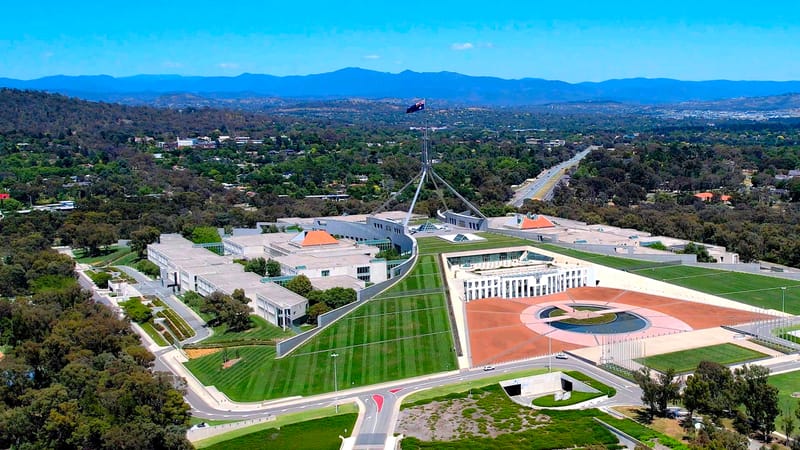
The May Budget delivered by Treasurer Jim Chalmers has elicited criticism, and some praise, from many quarters, as illustrated by the following statements from the National Party, Beyond Zero Emissions, National Farmers’ Federation and the NFF Horticulture Council, National Seniors Australia, Business Council of Co-operatives and Mutuals, TasFarmers, Grain Producers Australia and NSW Farmers.
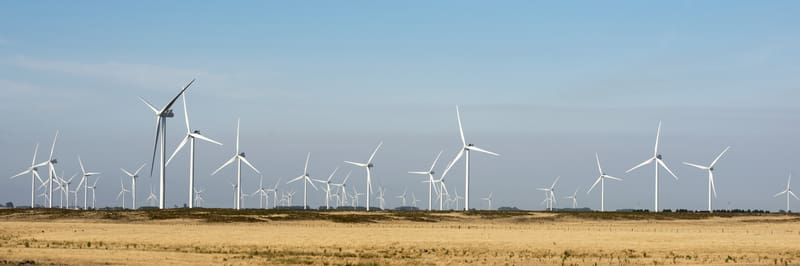
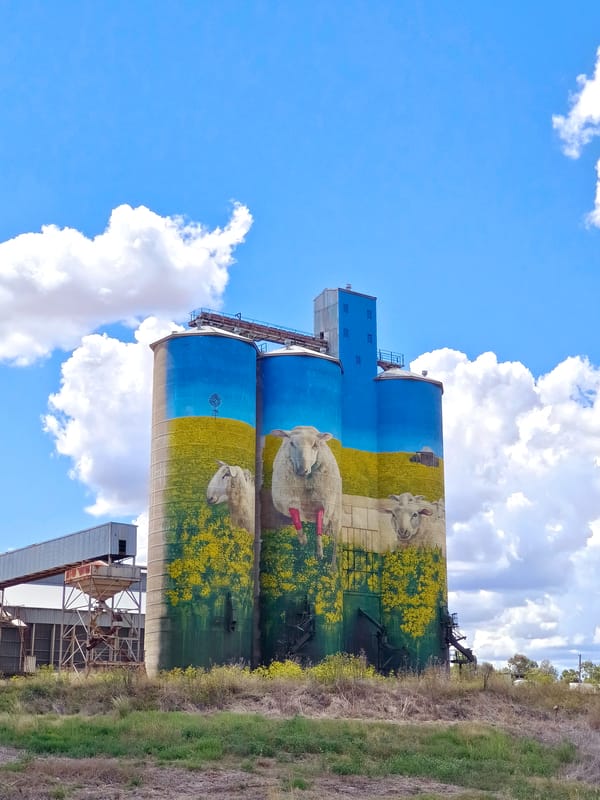
Photo: John Carenmolla.
Labor’s Budget breaks promises and destroys a fair go for the regions: Canavan
The Hon. Matt Canavan, Leader of The Nationals, Media Release, 12 May 2026
Labor’s Budget of broken promises and cuts has obliterated a fair go for regional Australia, while doubling down on its tone-deaf reckless race to renewables and net zero fantasy.
The Prime Minister’s lies will increase taxes, lower living standards and cut funding to the regions.
“Regional Australians are the innocent victims of Labor’s all-out assault on aspiration,” Leader of The Nationals Matt Canavan said.
“Labor’s broken promises on tax betrays the trust of Australians and will see regional Australians pay more.
“Even on Labor’s own figures, disposable income per capita will fall and real wages will decline.
“Labor knows that their Budget cheats Australians, because they have issued a cheat sheet to all of their MPs.
“In the regions, not only does Labor’s Budget make people poorer, they also suffer cuts to the productivity-enhancing infrastructure that could make all Australians richer.”
Across the Budget, regional Australians face at least $11 billion worth of cuts, including:
- $6.15 billion cut from the Inland Rail project,
- $4.7 billion cut from infrastructure spending,
- $103 million cut from the National Water Grid,
- $191.6 million cut from pest and disease, regional trade and drought funding for farmers, and
- $21.4 million cut from regional communications funding.
“Labor’s short-sighted cut to the Inland Rail will see more trucks on our roads and higher costs of goods for all Australians. The Inland Rail would have reduced 200,000 truck movements and saved 280 million litres of diesel every year.
“Labor has then rubbed salt into the Inland Rail cut wounds, with a $3.8 billion bailout to the Victorian Labor’s pet project, the Suburban Rail Loop in Melbourne. Labor’s infrastructure spending is determined by the political priorities of its mates in other states, not the economic needs of Australia.
“Despite cutting funding to essential services in the regions, Labor continues to blow a small fortune on its net zero obsession. This Budget reveals that Labor will spend another $18.2 billion on net zero. Labor’s net zero spending now equals at least $80 billion. This does not include the massively expensive Capacity Investment Scheme, because Labor continues to hide the cost of its renewable energy subsidies.
“If Labor is so proud of its net zero spending spree, why did the Treasurer say the phrase ‘net zero’ just once in his Budget speech, and then only to repeat the myth that the world is moving to net zero. The Treasurer even failed to mention climate change once, which is apparently the whole point.
“Labor’s dodgy and disastrous net zero ambition is unravelling, but rather than admit defeat, Labor continues to waste taxpayer funds in a desperate attempt to keep net zero on life support.
“Net zero is dead and the sooner Labor recognises that, the more money Australians will save.
“The Nationals will dump net zero and we will fight tooth and nail at the next election to stop this madness, which has come to a terrible head in this Budget.
“All Labor’s extra net zero spending does is fuel inflation and see interest rates climb higher. Labor’s broken promises Budget adds another $12 billion in extra spending over the next two years from its policy decisions.
“Labor’s addiction to mass migration is also adding to inflationary pressures. Labor plans for almost 300,000 people to migrate to Australia (in net terms) next financial year.
“Labor is ignoring the will of the Australian people who want to see lower migration so that the pressure on housing, hospitals and other services is reduced. This Budget sees Labor overshoot its migration target by 90,000 people over the next two years.
“Labor has flown the white flag on trying to increase the wealth of Australians. This Budget does not invest in new roads, new dams and new mines to increase Australia’s economy. Under Labor’s Budget, mining investment falls to ZERO in 2027-28.
“The Nationals believe that Australia can deliver higher living standards, but only if we unleash our nation’s latent potential by using all of our resources and talent.”
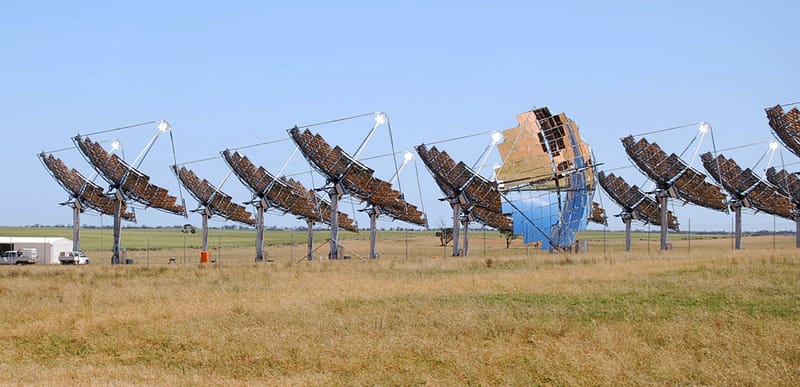
Budget leaves a lot to be desired on energy: Beyond Zero Emissions Chief Researcher, Matt McKee
Matt McKee, Beyond Zero Emissions, Media Release, 13 May 2026
This budget was partly a test of whether Australia is serious about building long-term energy security at home, rather than just managing short-term risks from overseas. On that account, we have to acknowledge it leaves a lot to be desired – funding for short-term fuel storage far outpaces long term decisions that sustainably reduce fuel demand.
Energy security isn’t just about fuel reserves, it’s about building a domestic, renewable energy system that doesn’t rely on global supply chains in the first place. While we applaud some of the R&D support we saw today, this budget feels like a band-aid for the challenges facing Australia’s industrial regions.
We’re keen to work with the government on how we can best utilise the existing budget mechanisms to deliver the necessary economic resilience that the Treasurer regularly mentioned in his speech.
Building new industries like green metals, renewable hydrogen, and clean manufacturing requires the kind of consistent, long-term policy signal that lets businesses commit capital with confidence. Stop-start funding cycles are the enemy of the very investment we need.
The transition to a clean energy economy isn’t built in a single budget. It needs sustained investment in the workforce, the supply chains, and the regional communities doing the heavy lifting, so that emerging sectors have the foundations to grow into Australia’s next economic engine.
Genuine energy security means building sovereign capability in the industries of the future, from renewables manufacturing to critical minerals processing. That requires patient, consistent support across budget cycles, not piecemeal commitments that leave new sectors exposed to political weather.

Labor axes regional tech hub — abandons 28,000 regional Australians: Littleproud
The Hon. David Littleproud, Federal Member for Maranoa, Media Release, 13 May 2026
The Federal Member for Maranoa, David Littleproud has condemned the Albanese Labor Government for abandoning regional Australia after last night’s Federal Budget confirmed no funding for the Regional Tech Hub (RTH) — a free, independent telecommunications support service relied upon by tens of thousands of Australians living in regional, rural and remote communities.
Despite repeated warnings, two unused 12-month contract extension options, and over 28,000 regional Australians having relied on the service in 2025 alone, Labor has chosen to let the RTH die — effective 30 June 2026.
“Labor has just handed down a Budget that splashes billions on inner-city rail, housing tax concessions and AI grants — and they couldn’t find a single dollar to keep the lights on at the Regional Tech Hub,” Mr Littleproud said.
“This is a betrayal of regional Australia, plain and simple.”
“Over 28,000 regional Australians turned to the RTH for help last year. Farmers trying to keep their businesses connected. Families navigating the collapse of 3G networks. Communities dealing with mobile black spots and the retirement of legacy ADSL services. Those people now have nowhere to turn.”
The RTH — operated by the National Farmers’ Federation — is Australia’s only free, independent, and nationally accessible telecommunications advice service tailored to regional, rural and remote communities. It provides one-on-one support to individuals, small businesses, community organisations and primary producers at no cost.
The service’s own website is already flagging the shutdown, advising that Regional Partnership Officers are not accepting new event bookings beyond 31 May 2026.
“Labor made regional Australians wait until after the Budget for a funding decision — and then delivered nothing. That is not an oversight. That is contempt,” Mr Littleproud said.
“At a time when Telstra is retiring its legacy copper network, when mobile black spots remain a daily reality for millions, and when the digital divide between cities and the bush is wider than ever — Labor has pulled the plug on the one service that helped regional Australians navigate all of it.”
“The National Farmers’ Federation, the ICPA, and communities right across regional Australia have been sounding the alarm. Labor wasn’t listening — because they never cared.”
Mr Littleproud is calling on the Albanese Government to immediately reverse this decision and commit to the RTH’s continuation beyond 30 June 2026.
“It is not too late. Fund it. Do it today. Stop treating regional Australia like an afterthought.”
Budget provides tax certainty for farmers despite tough cuts: NFF
National Farmers’ Federation (NFF), Media Release, 12 May 2026
Australia’s peak farming body has welcomed key measures in tonight’s Federal Budget that will ease pressure on farmers and strengthen the nation’s food and fibre supply chains, with hard fought wins for farmers in the tax reforms, including primary production income being exempt from a minimum tax on discretionary trusts.
However, the National Farmers’ Federation (NFF) raised concerns about cuts to regional infrastructure, connectivity and the Department of Agriculture, Fisheries and Forestry.
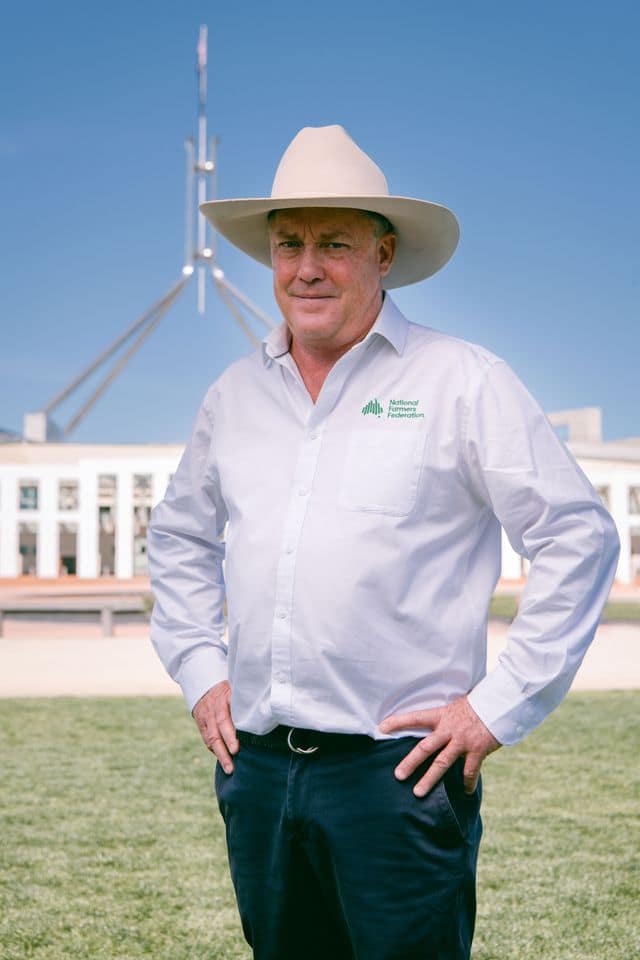
NFF President Hamish McIntyre said the Budget landed at a difficult time for Australian agriculture, with farmers and fishers continuing to shoulder the impacts of global instability and supply chain disruption from conflict in the Middle East.
“Farmers have been doing it tough, and so has the broader economy,” Mr McIntyre said.
“The conflict in the Middle East has driven fuel and fertiliser costs through the roof and placed pressure on the production of the food and fibre Australians rely on every day.
“When pressure builds on farm businesses, it doesn’t stop at the farm gate. It eventually flows through to all Australians at the checkout.
“In that context, there are several measures in this Budget that are welcome and reflect the Government listening to the concerns the NFF has consistently raised on behalf of farmers.”
The NFF welcomed changes ensuring primary production income will be exempt from the new 30 per cent trust tax and confirmation there will be no changes to small business capital gains tax concessions.
“There are around 40,000 trusts used in agriculture so these are significant wins for family farm businesses and reflect the case we have consistently put to the Treasurer about how these changes would impacted succession.
“Family farms are generational businesses built over decades and often represent a family’s life savings and retirement plan. We are pleased the Government has listened.”
The NFF welcomed the Government’s $10 billion fuel security package, designed to improve domestic fuel and fertiliser resilience with an emphasis on reducing the risk of supply shocks for essential users, including regional and agricultural industries.
The permanent extension of the instant asset write-off was also welcomed, providing certainty for farm businesses looking to invest in equipment and technology.
“We advocated hard for this to become a permanent feature of our tax system. It’s a simple and effective measure that helps farmers reduce costs and increase their productivity.”
The NFF also acknowledged the new loss carry-back provisions, an $8.7m investment for the APVMA, along with the previously announced decisions to defer export cost recovery increases, and a $387 million boost to CSIRO and the Australian Centre for Disease Preparedness.
“These are practical investments we’ve advocated for because they strengthen resilience and innovation and help keep downward pressure on the cost of producing Australian food and fibre.”
The NFF also welcomed additional resourcing for implementing EPBC reforms with a focus on establishing new entities (National Environmental Protection Agency and Environmental Information Australia) and improving assessment timeframes.
However, the NFF still requires clarity on how this funding will support the difficult transition agriculture is experiencing under changes to continuous use provisions for agriculture.
“Farmers need clarity and consistency, particularly around changes to continuing use provisions,” Mr McIntyre said.
“We’ll continue working closely with the Government to ensure these reforms deliver environmental outcomes without creating uncertainty or unnecessary compliance burdens for producers.”
However, the NFF has raised concerns about sweeping cuts across key areas impacting agriculture. This includes the Department of Agriculture, pests and weeds, Inland Rail Project and regional connectivity including the Regional Tech Hub.
“There could not be a worse time to pull back investment in supply chains and regional connectivity,” Mr McIntyre said.
“The Inland Rail was designed to strengthen supply chains, ease pressure on our highways and reduce the cost of moving produce from farm gate to consumers.
“The Regional Tech Hub helped more than 75 regional people each day in 2025 alone.
“Without continued support for this service, regional Australians may lose a trusted service that has helped thousands navigate major technology changes and stay connected.
“This Budget contains some hard-won wins for agriculture, and we welcome them. We’ve had the opportunity to be at the centre of some of the most important discussions of this generation, around fuel and fertiliser supply and capability.
“But if Australia is serious about building a stronger, more productive economy, this must be the starting point, not the finish line.”

Axe on health insurance rebate a stain on budget for seniors: NSA
National Seniors Australia (NSA), Media Release, 12 May 2026
National Seniors Australia (NSA) has called the cut to the Private Health Insurance (PHI) rebate for older Australians the most shortsighted yet overlooked part of the budget.
NSA is calling on the parliament to reject the move, which risks putting the both the private and public health care systems on a knife edge after 1 April 2027 when it is slated to start.
Seniors will also be concerned about the changes to Capital Gains Tax, which include an imposition of a minimum 30 per cent tax on net capital tax gains. These changes will apply not only to housing but to all capital gains, including shares and other assets.
The grandfathering of the CGT changes will be welcomed but this is only for gains made before 1 July 2027. Beyond this time, existing property will be taxed using the Keating era model using real gains after inflation.
NSA welcomes increased investment in health and aged care that will impact on seniors in the federal budget, including:
- free RSV vaccinations for seniors 75 and over and for Aboriginal and Torres Strait Islander adults aged 60 and over;
- the removal of co-contributions for showering, continence management, and dressing through the Support at Home Program;
- the delivery of 20 additional Specialist Dementia Care units;
- the expansion of the Hospital to Aged Care Dementia Support Program from 11 to 20 locations;
- incentives to construct an estimated additional 5,000 beds a year; and
- additional funding for Support at Home Packages.
But these funding boosts shouldn’t have come at the expense of the private health insurance rebate.
Pensioners rely on private health to ensure they can access timely medical care at a time when they need it most. The risk is that over time only the wealthy will be able to afford private health and the rest will have to turn to the already stretched public system with long wait times.
NSA CEO Chris Grice said “Older Australians continue to be shocked by the decision to cut the higher health insurance rebate and overwhelmingly reject the proposal. Our biggest concern is that it will push older people with limited incomes out of the private health system at a time of greatest need putting both the public and private health systems at risk.
“A recent NSA survey found that as many as 45 per cent of people relying on the pension as their sole income source could hold private health insurance – these are people with low incomes and limited savings. They will either drop their cover, downgrade their cover or cut spending on other essentials if this cut to the rebate is made law.” Mr Grice said.
“Many of these older people would have paid private health for decades. Now, at a time in their life when they really need that insurance – when affordability is paramount – it has been swept from under their feet.
“Recent NSA research shows that private health insurance is one of the top cost-of-living concerns for seniors. Separate research by NSA found that older Australians value the peace of mind and control over healthcare PHI provides. Many wish to maintain it, even at great cost to themselves.
“The risk for government is that older people drop their private health insurance cover, and place even greater pressure on the public system.
“NSA has been calling for reforms to private health for many years on the back of growing concern among older people about the affordability of private health insurance and out-of-pocket costs, including for higher rebates for low-income policy holders.
“Our budget submission called for a Productivity Commission review of the private health system to identify the causes of premium increases, rising specialists’ costs, and increased hospital charges to identify ways to reduce the cost of private health in Australia. That call will only get louder!”
NSA estimates that a gold-level hospital policy (couple, aged over 70) costing $7,000 will increase by $830 per year as result of rebate reduction. We have created a new online rebate estimator to raise awareness of this impact and build opposition to this proposal.

Co-operative sector welcomes aged care and productivity measures in federal Budget: BCCM
Business Council of Co-operatives and Mutuals (BCCM), Media Release, 13 May 2026
Business Council of Co-operatives and Mutuals welcomed the federal Budget’s renewed focus on increasing long-term productivity growth while addressing immediate fuel security and affordability challenges for Australians, particularly older residents in rural and regional areas.
This includes the $500m-plus package to boost aged care governance and quality, including the $2.4 million extension of the Care Together program which is being overseen by the BCCM.
BCCM CEO Melina Morrison said the extension of the Care Together program will help ensure facilities remain open and give residents confidence that they can continue to live close to family in towns where many have resided for decades.
“The provision of further funding for Care Together will mean aged care co-ops, disability worker co-ops and community directed primary healthcare can be expanded throughout regional Australia and allow them to secure their long term viability by widening their services and developing their own revenue streams,” Ms Morrison said.
“We are delighted to continue our partnership with the Federal Government to build a vibrant co-operative and mutual care sector in Australia,” she said.
“When local providers, workers and communities co-operate in the provision of care services, it’s a win for communities that rely on these services and it’s an efficient use of public funds.”
In a Budget with significant headline reform measures tackling fuel security, housing affordability and social care funding sustainability, the BCCM commends the Government for maintaining its focus on regulatory reform to facilitate innovation and productive investment, including its commitment to co-operatives in social care, regulatory reform for mutual banks and credit unions and reviewing the superannuation investment framework to remove barriers to investment in affordable housing and renewable energy.
Ms Morrison said the BCCM welcomes the investment in improving the productivity of the business environment where co-ops and other firms experience dual or multiple regulatory environments. Improvements in the regulatory and business environment announced in the $10 billion Productivity Package should flow to co-operatives and mutuals to ensure parity of treatment.
“A lift in productivity is necessary for Australians living standards to lift and for a fairer and more resilient economy. Budget measures to drive ongoing regulatory reform such as the announced inquiry into businesses dynamism is an opportunity to examine the barriers co-operatives and mutuals face in competing with other business models so that we can lift the productivity of this sector which already does so much to make the economy more resilient.”
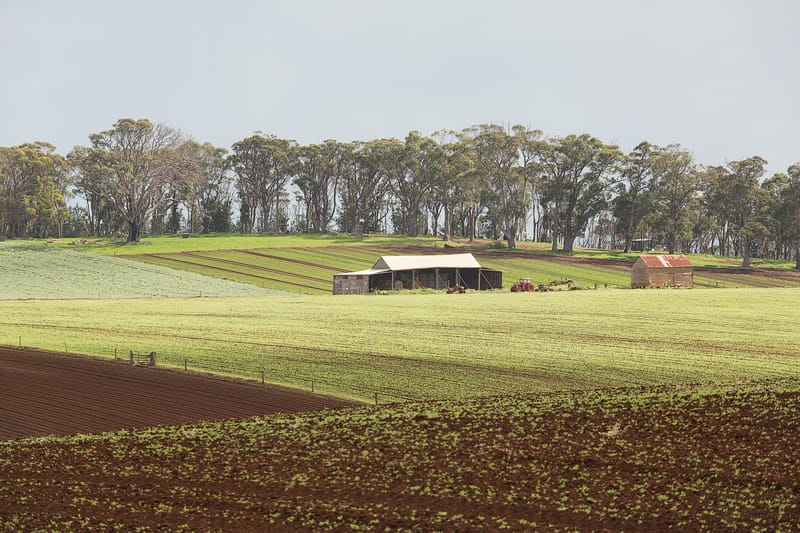
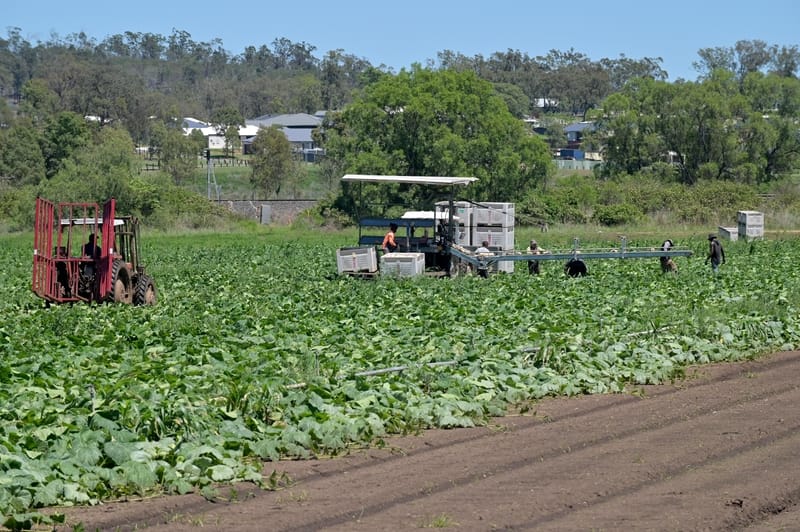
Photo: Steve Lovegrove.
Some budget support for farmers, but inflation still bites: TasFarmers
TasFarmers, Media Release, 13 May 2026
TasFarmers has welcomed key measures in this week’s Federal Budget aimed at strengthening national food security and supporting confidence across the agricultural sector, while warning ongoing inflation and reduced funding in key areas remain serious concerns for producers.
TasFarmers CEO Nathan Calman said the exclusion of primary production income from the proposed minimum tax on discretionary trusts was an important win for family farming businesses.
“Family farms are structured this way for a reason, and farmers were deeply concerned about what these changes could have meant for the future of their businesses,” Mr Calman said.
“This decision gives producers greater confidence and shows the government has listened to agriculture.”
Mr Calman said the government’s announced $10 billion fuel security package was another positive step, particularly following recent global instability and supply chain disruptions.
“When farmers can’t access fuel or fertiliser, the whole country feels it.”
“Recent global events have shown just how vulnerable Australia can be when it comes to supply chains, so strengthening fuel security is critical.”
TasFarmers also welcomed the permanent extension of the instant asset write-off, saying it would help producers continue investing in machinery, infrastructure and productivity improvements.
“Farmers will always invest back into their businesses when they have confidence to do so.”
“Measures like the instant asset write-off help producers modernise equipment, improve productivity and keep farms moving forward.”
However, Mr Calman said TasFarmers remained concerned by reduced funding for pests, weeds and regional connectivity.
“We can’t afford to lose momentum in these areas.”
“Farmers are already dealing with increasing pressure from pests and browsing wildlife like deer, while reliable regional connectivity remains essential for modern agriculture.”
“There will be strong debate around these changes, particularly given previous commitments made during the election.”
“At the end of the day though, Australia’s housing challenges won’t be solved unless supply starts keeping pace with demand.”
Mr Calman said inflation and government spending remained major concerns for business confidence across the broader economy.
“Farmers are still getting hit from every direction, fuel, freight, fertiliser, energy, finance and insurance costs all remain high.”
“That ongoing inflation pressure is one of the biggest risks facing agriculture over the next few years.”
TasFarmers encourages producers to seek qualified financial advice, understand what these changes mean for their business, and prepare for the challenges that may still lie ahead.”
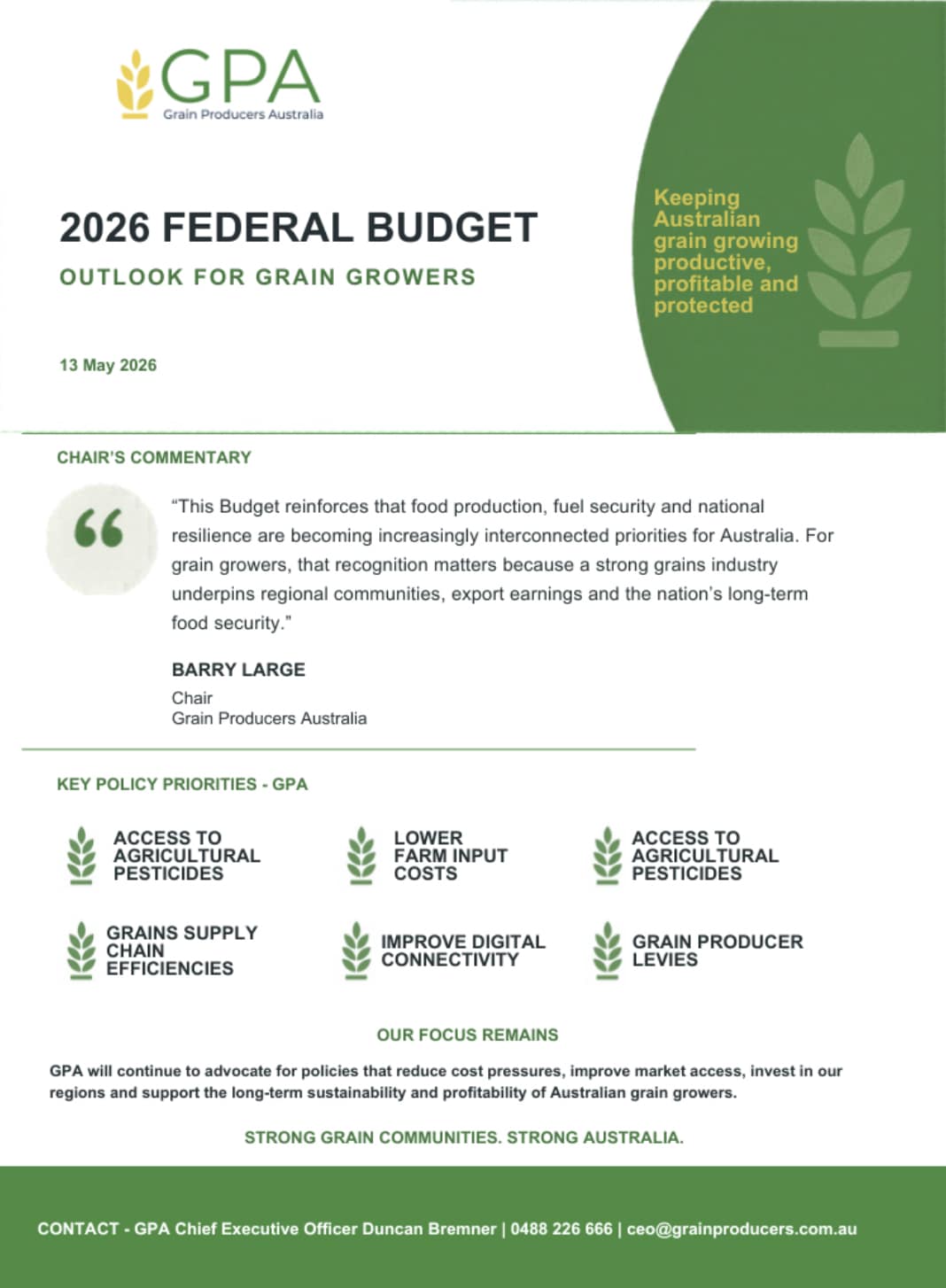
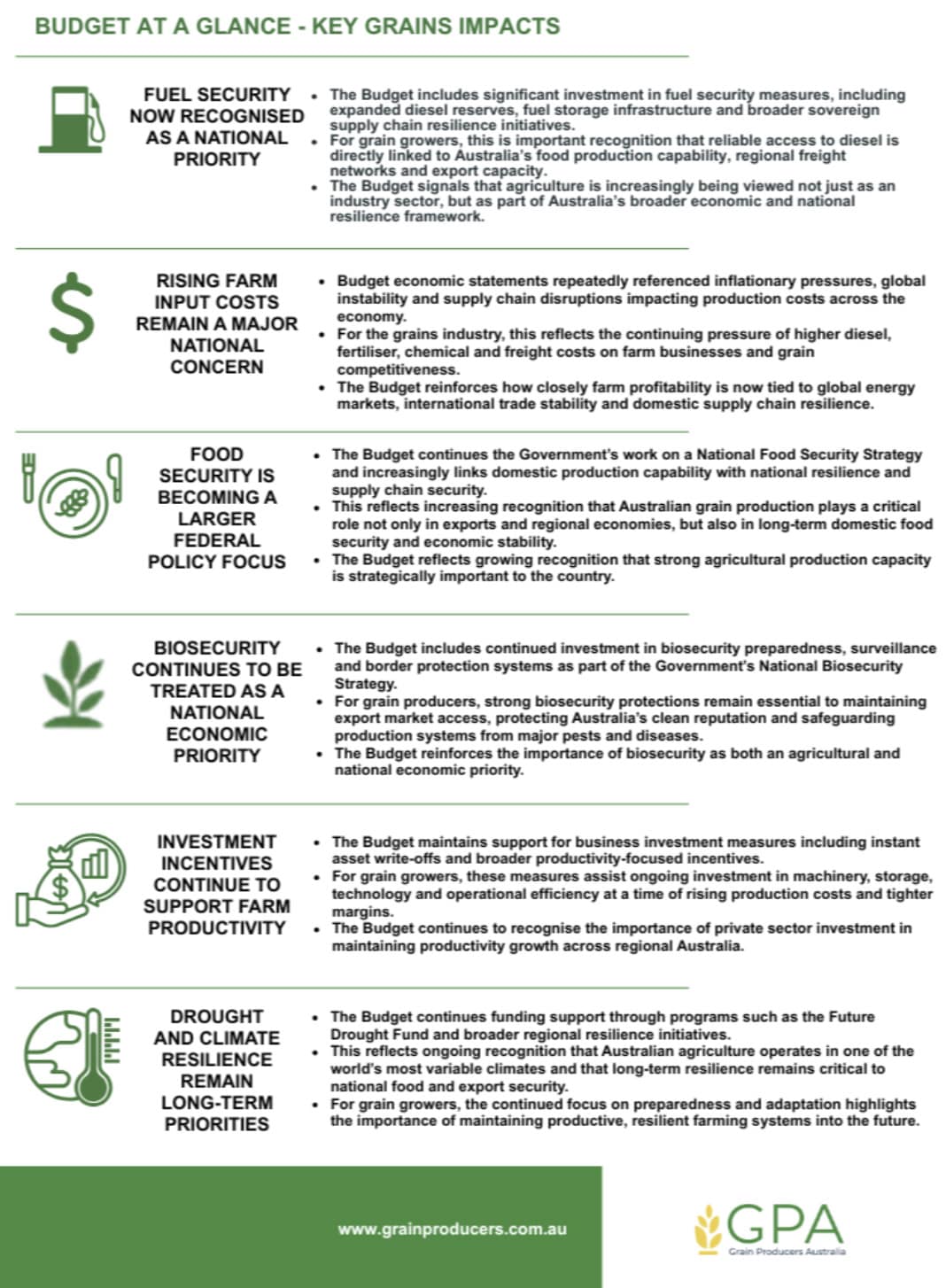
GPA Federal Budget 2026 response
Grain Producers Australia, Media Release, 13 May 2026
Budget signals productivity gains but risks remain for horticulture: NFF Horticulture Council
National Farmers’ Federation (NFF), Media Release, 13 May 2026
The National Farmers’ Federation (NFF) Horticulture Council has acknowledged positive measures for agriculture in the 2026–27 Federal Budget, while raising targeted concerns for horticultural producers—particularly around labour availability and capacity to absorb skyrocketing input costs.
NFF Horticulture Council Chair Jolyon Burnett said the Budget reflects several long-standing advocacy priorities of the Council and the NFF, including important wins on tax settings, investment certainty, and supply chain resilience.
“Last night’s Budget includes a number of practical measures that will help ease pressure on farm businesses and strengthen Australia’s food and fibre supply chains,” Mr Burnett said.
“From tax reform certainty to fuel and fertiliser supply security and deferring export cost recovery, these are outcomes we have fought hard for on behalf of farmers across the country.”
The Council welcomed measures including ensuring primary production income is exempt from the new minimum tax on discretionary trusts and the permanent extension of the instant asset write off.
The Council also welcomed the Government’s explicit focus on improving national productivity.
“The Government’s commitment to reduce regulatory burden—estimated at over $10 billion annually—is a step in the right direction and reflects the reality facing growers dealing with mounting compliance costs, whether that’s being imposed by government or coming down supply chains” Mr Burnett said.
“We have flagged concerns with the burden, particularly on smaller horticulture businesses, under the Climate-Related Financial Disclosure regime, and so are encouraged by signals in the Budget papers that this framework may be refined and improved.
“At the same time, we are concerned with mooted reform of the Working Holiday Maker program with little detail in the papers.
“The sector remains heavily reliant on this program to meet seasonal and peak labour demand, particularly in regional and remote areas where alternative workforce options are limited.
“Any policy settings that undermine Working Holiday Makers as part of our seasonal workforce mix or fail to direct workers to areas of greatest need, risk undermining harvest capacity, disrupting perishable supply chains and placing upward pressure on food prices.”
The Council encouraged the government, despite a tight fiscal environment, to keep an open mind to delivering short-term cashflow relief to growers, who without bargaining power have been unable to pass on escalating input costs.
“Many growers will have only tuned in to watch the Treasurer’s speech last night in the hope of hearing some targeted support is on the way,” said Mr Burnett.
“We’ll continue to work with government and regulatory agencies to ensure our markets are working in the national interest, and that there’s a government response for when those markets demonstrably fail.”
Practical productivity needed after Budget: NSW Farmers
NSW Farmers, Media Release, 12 May 2026
NSW Farmers President Xavier Martin has urged the Australian Government to embrace primary production following the Treasurer’s Budget speech.
On Tuesday night Treasurer Jim Chalmers mentioned “productivity” 19 times as he handed down the 2026/27 federal budget, talking about making the economy more productive.
“Confidence about the year ahead has collapsed among farmers, with 80 per cent expecting business conditions to worsen over the next 12 months because of the war in Iran,” Mr Martin said.
“The people who grow the healthy plants and animals that literally feed and clothe our nation are ready to pull on their boots and get to work, but we need government to put in place policies and funding that unlocks that productivity.”
Mr Martin said agriculture literally could not function without diesel or fertiliser, and while the government’s multi-billion-dollar commitment to improve onshore stockpiles was welcome, 50 days was still well short of the 90-days farmers wanted.
“We strongly urge the government to commit to a clear pathway to the 90 days of stockpiles we have agreed to under the International Energy Agency framework, and ensure agriculture is explicitly prioritised if supplies run short,” he said.
“NSW Farmers has been sounding the alarm on fuel security for a decade, and this crisis has brought the issue of agricultural supply chains and food security to the fore.
“We must never let Australia get into this mess again.”
While the Budget contained some positive items – such as the Instant Asset Write Off being made permanent – there were also big questions about agricultural workforces, tax settings and where funding from productive investments such as Inland Rail have actually gone.
“These papers are very fresh and very dense, so the detail on capital gains and trusts needs to be worked through,” Mr Martin said.
“But the government must remember farm businesses operate on razor thin margins, so we need an iron-clad guarantee that farming businesses and the critical issue of succession planning – the next generation of farmers – are also recognised.”
Related stories: Delivering a Budget focused on resilience and reform: Chalmer, Albanese, Gallagher; Federal Budget 2026-27

