

Michelle Wood, CEO, Gippsland Critical Minerals (GCM), 2 June 2026.
This article responds to Test pit fast track to a mine? Mine Free Glenaladale
The Mining and Rehabilitation Demonstration Pit is designed to test GCM’s approach to mining and measure impacts across a number of key areas including how land can be rehabilitated. It enables evidence to be gathered in-situ and to gather data that informs better design for the broader project.
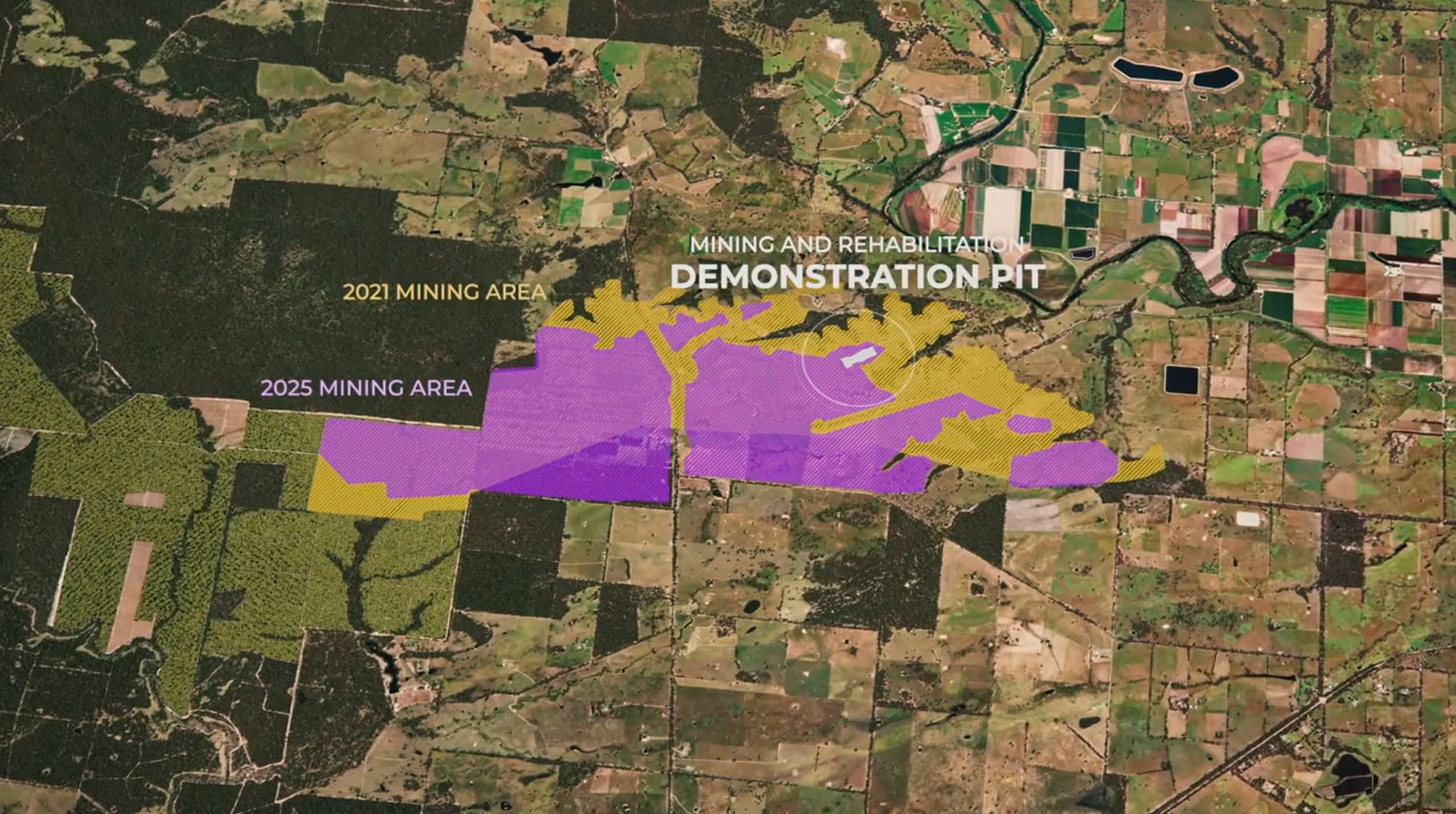
It is a key input into the EES and is required under retention licence RL2026. It directly responds to IAC recommendations and calls from many in the community at that time including ‘Mine Free Glenaladale’ during the previous project’s EES process to demonstrate rehabilitation methods through trials.
It is important to distinguish between the excavation phase of the MRDP, the rehabilitation works and the ongoing monitoring program. Excavation commenced in April and is expected to continue for around three months. Backfilling and rehabilitation begin immediately following the installation of in-pit monitoring equipment and the commencement of separation activities.
By around seven months backfilling is complete providing data on soil rehabilitation performance. But we don’t stop monitoring the site. This continues across multiple seasons and varying environmental conditions to assess how soils, vegetation, water and rehabilitation outcomes perform over time and across different seasonal conditions. This enables us to iterate and improve.
Air quality, noise, radiation, and surface and groundwater are all monitored alongside the robust environmental protections and rehabilitation methods.
Seasonal conditions will be assessed using industry-standard modelling informed by the site-specific information gathered through the demonstration pit. The use of modelling enables us to test a much larger range of conditions that could be expected over the life of the mine.
GCM has also expanded the team with the appointment of Nicole Anderson, a rehabilitation expert with years of Victorian and Gippsland specific rehabilitation expertise to lead the ongoing rehabilitation trials and gather knowledge over an extended period.
Located in an area specifically chosen for geology and soils representative of the broader project area, the MRDP will gather information that informs larger-scale mine design, rehabilitation planning, water management and environmental controls.
The MRDP is an important part of ensuring the Fingerboards Project is informed by real data, practical testing and ongoing learning from the outset. It is helping shape a project designed to operate more safely, rehabilitate land more effectively and respond to the expectations of the community and regulators alike.
Ultimately, this work is about delivering a better and more responsible operation that can create long-term opportunities and benefits for East Gippsland.
Gippsland Critical Minerals also point to Chapter 11: Socio Economics, under the heading “Rehabilitation” of Mine Free Glenaladale Inc’s submission to the Fingerboards Mineral Sands Project Inquiry and Advisory Committee – EES, in particular the following paragraph (p 440):
“No trial vegetation sites have been established, which the proponent indicated would occur at public meetings. This would have been a sensible and necessary exercise in determining the viability of soils and to properly study and identify modifications and amendments needed to establish a successful germination.” – MFG.
Find the series of stories relating to the Fingerboards Project including statements by Gippsland Critical Minerals and the community action group opposing the project, Mine Free Glenaladale here: Fingerboards Mineral Sands