

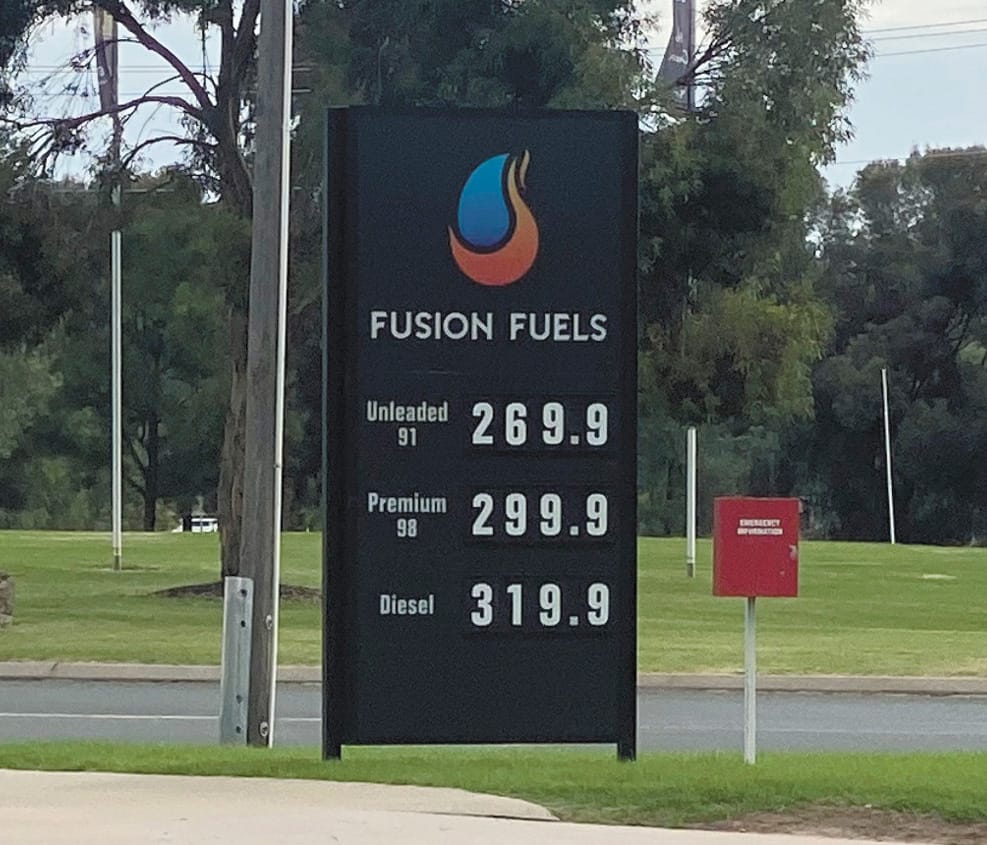
“We’ve lost so much business. People haven’t even been coming here for drinks really,” said Vijay at Barham Metro fuel station as he described the impacts of no fuel being supplied to the business.
“We still have all our takeaway food available, but this has really impacted us for 2 weeks.”
Vijay, like many rural communities, is currently being squeezed by Australia’s current fuel situation; one sensible people have warned about for decades.
“We are hoping to have fuel today (Wednesday) or by tomorrow for sure. I think it will be about $2.80 a litre for unleaded and $3.05 a litre for diesel.”
It’s not just fuel stations feeling the pinch; local transport company owner Scott McKenzie said people are likely to have no idea what’s coming.
“We use around 35,000 litres of diesel a week; now a dollar increase has a huge impact on our cash flow and the cost of freight.”
Scott said he has to keep a close eye on daily fuel prices, as companies cannot afford to absorb these dramatic price increases.
“We’ve got about a 45 per cent fuel levy in place right now. That’s increased from the 27 per cent we had in place and it affects people differently.”
Scott explained that for high-value items, such as a pallet of groceries, the impact is more broadly spread across the range of products, but for customers who want to move one big item, the costs soon rise.
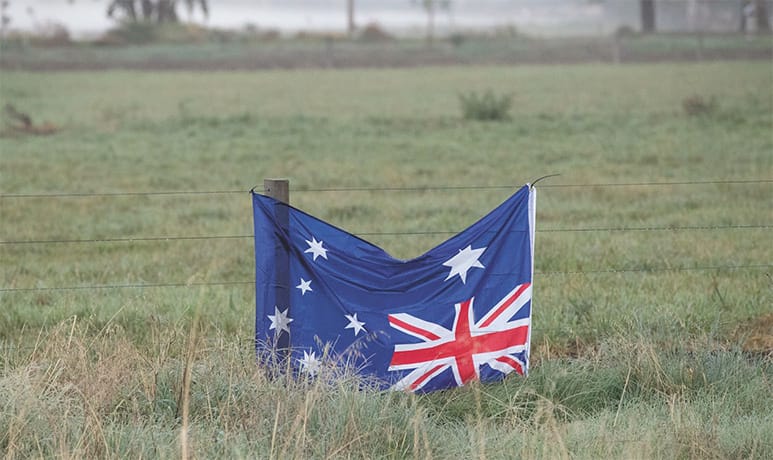
“If you’re looking to move a forklift for example, 45 per cent more in costs, people start to think we might not do that now.”
Scott said the company is looking to scale back their interstate operations.
“We’ll scale back interstate; we’ve got to because it’s just too high. We’ll still do some for key customers, and we’ll see how it goes.”
Scott said talk in the industry from finance brokers estimates that as many as 100 trucking companies could be at dire risk of closure over the next two weeks.
“We’re not going to take our bat and ball and go home; we need more done to stop this price gouging on fuel.”
And Scott is right. Rural communities across the nation are being squeezed at the fuel bowser, despite the fuel in the tanks being shipped months ago. Even the usual metric of a $1 increase in oil barrel price equating to 1cent at the pump is out the window with barrel price rising $60, and our pump price already jumping more than $1.10 in some cases.
Farmers are feeling the pinch too, on both fuel and fertiliser. For a nation rich in natural resources, we seem to have an uncanny ability to forgo our own sovereign security and prosperity and put our people at the mercy of fickle foreign markets.
Barham farmer Charles McDonald said tough decisions are being made on fertiliser inputs for this season, with urea rising from $850 per tonne to $1,350–1500 “if you can get it.”
“We’ve secured our MAP (fertiliser), and we have ordered one b-double of urea, but the rest is going to have to wait. I wouldn’t mind seeing some crop growing before we buy too much expensive fertiliser.”
Fuel supply along with the price is also challenging their operation.
“We ordered $10,000 litres (of diesel), and that didn’t turn up. We ended up ordering another, and that arrived for around $2.20. We’ve got another coming this week, but I couldn’t tell you the price.”
It’s a critical time for farmers as they start sowing this year’s winter crops. Charles said the truck they have on the road carting last year’s grain and this year’s fertiliser is fuelling up off farm to conserve supply.
“We’re trying not to use the farm fuel supply. A trip to Melbourne is around 400 litres, and so at $3 we’re looking at $1,200 in just fuel alone.”
There doesn’t seem to be any easy solution in sight. Let’s hope some good can come from this crisis of our own making. We need wise politicians, and we need them yesterday!
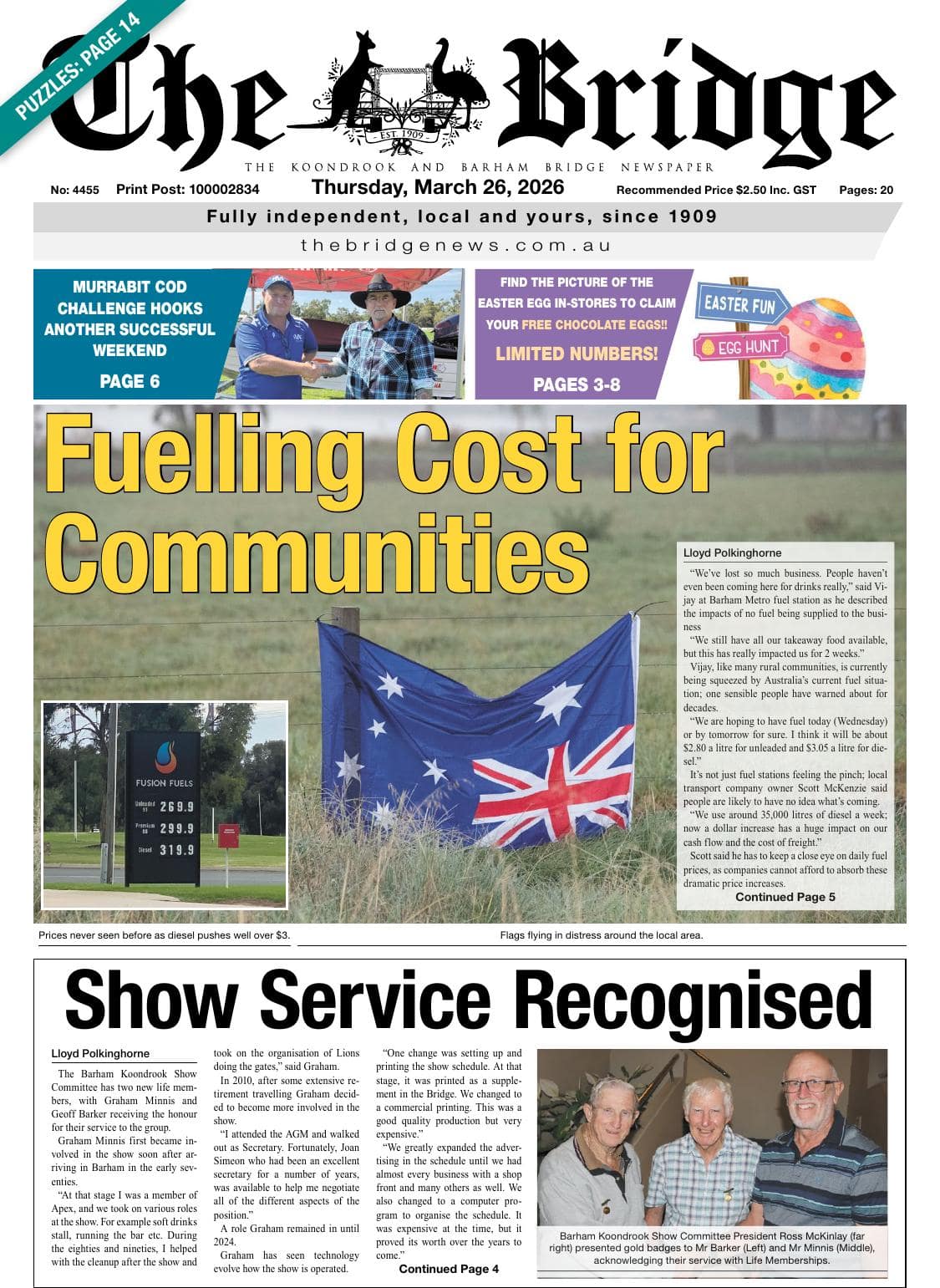
This article appeared in The Koondrook and Barham Bridge Newspaper, 26 March 2026.

