

Patrick Tucker, The Koondrook and Barham Bridge Newspaper
A soil aeration trial on a Caldwell farm has delivered strong gains in feed production, helping carry more cattle through dry periods.
Working across his 1100-acre farm east of Barham, Don Hearn has spent several years trialling soil aeration, a process designed to relieve compaction and improve pasture growth.
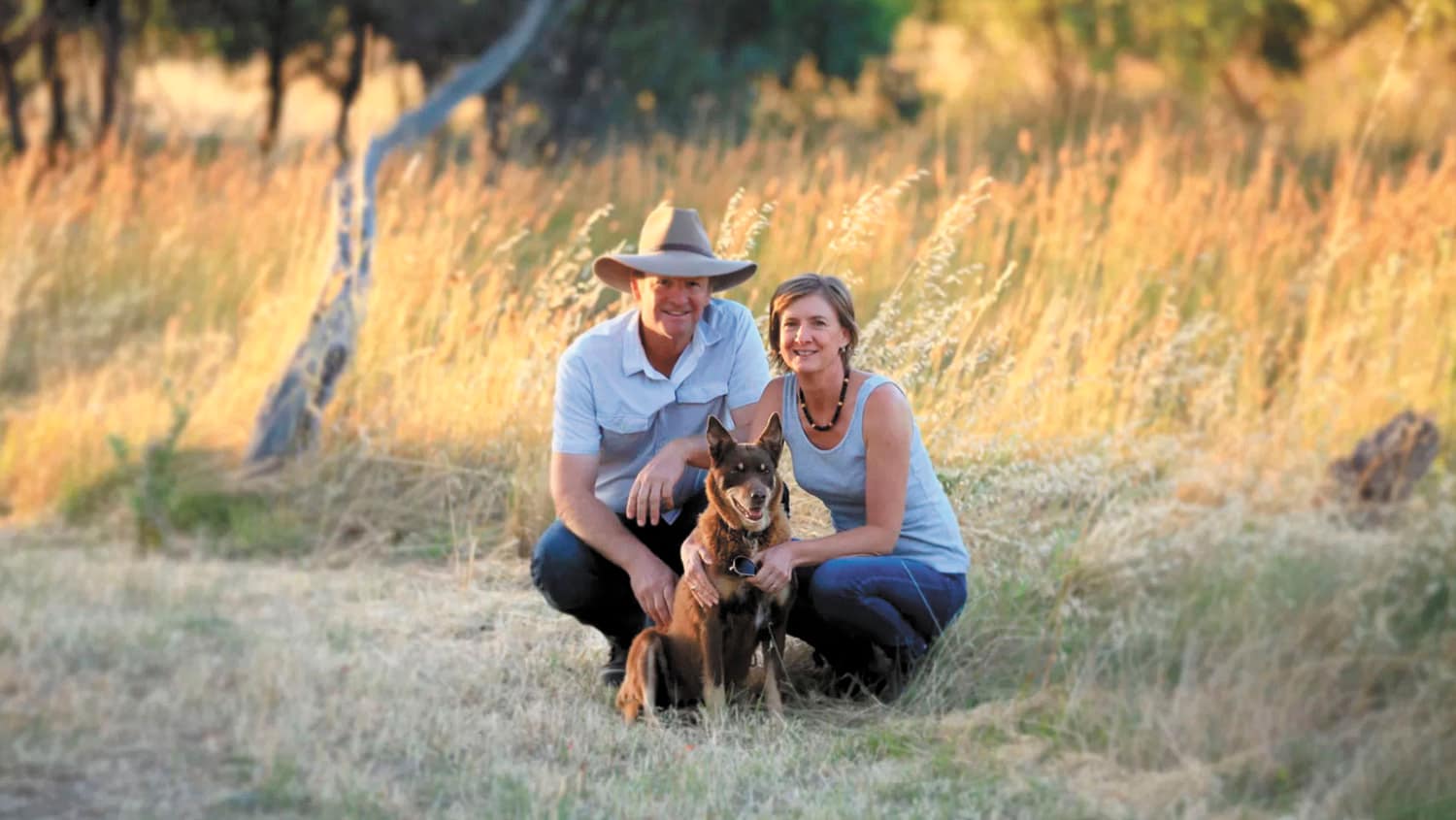
What began as a small test has since grown into a three-year trial supported by the Western Murray Land Improvement Group, and is now shaping how he manages his organic operation.
“I started on the worst part of the farm I could find,” Mr Hearn said.
“I thought, if it’s going to work, I’ll give it the hardest bit of land to impress me.”
After aerating the paddock in autumn, the results became clear within months.
“By spring, when the flush came, I could see a significant difference in the amount of feed in that paddock, which was normally the worst on the farm,” he said. Mr Hearn gradually expanded the work across the property.
“At the end of the day, this is about growing more feed per square metre,” he said.
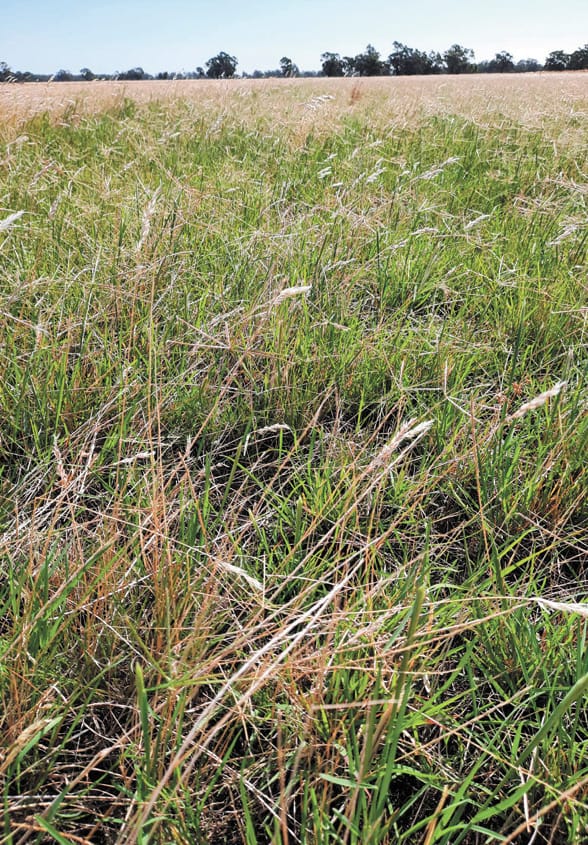
“That means we can run more cattle, avoid buying in hay, and get through dry periods a lot longer before having to de-stock.”
The approach was tested during last year’s dry stretch, when rainfall was limited for months.
“Normally we would have had to sell stock earlier because we were running out of feed,” he said.
“But we were able to hold onto them longer, grow them out heavier, and that makes a big difference financially.”
Now, after aerating most of the property, Mr Hearn said he is seeing the full effect for the first time.
“The amount of feed we’ve grown, I’ve never seen anything like it,” he stated.
He said increases in plant growth of up to 200 to 300 per cent had been observed in some areas over time.
Western Murray Land Improvement Group Executive Officer Roger Knight said the organisation supported the trial through project funding, trial design and data collection.
Damian Jones, who assisted with data collection on the trial, said while differences between aerated and untreated areas had been observed, results varied and often depended on local conditions.
“We did see some variation between seasons, some years were better than others.”
Drawing on broader experience, Mr Jones said the effectiveness of soil aeration often depended on local conditions.
“You’ve got to look carefully at your soil and work out what the problem is, rather than try to put a solution to a problem you may not have,” he said.
“It can be different from farmer to farmer, paddock to paddock, depending on soil type and whether it’s dryland or irrigation.”
For Mr Hearn, the long-term shift has been about working with the land rather than against it.
“It’s like we discovered the language of the landscape,” he said.
“Once we understood what the land was trying to do, we just worked out how to support that, and then got out of the way.”
While he acknowledged there is no single approach to farming, he believed the results speak for themselves.
“We’re now running more cattle per acre than we ever have.”
“It’s not just sustainable, it’s regenerative. We’re going forward, not backwards.

This article appeared in The Koondrook and Barham Bridge Newspaper, 23 April 2026.

