



Hort Innovation, Media Release, 25 February 2026
Australia’s horticulture sector has delivered a year of record-breaking performance, with the 2024/25 Australian Horticulture Statistics Handbook revealing the industry has achieved its highest production value to date of $18.4 billion, up 6 per cent on the previous year.
Hort innovation’s Australian Horticulture Statistics Handbook is the most comprehensive source of national industry data, covering production volumes, values, trade performance and long-term trends across more than 70 horticulture categories.
Key findings include:
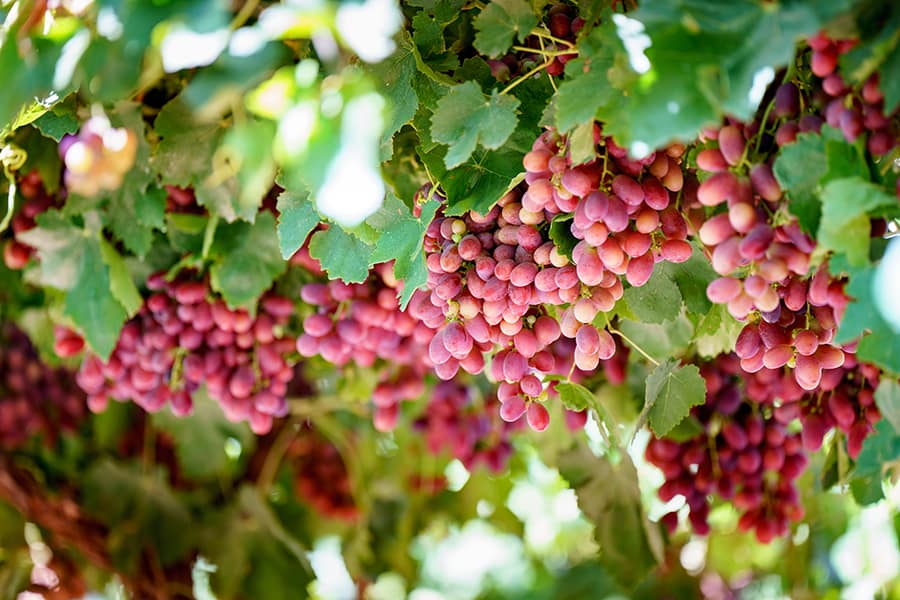
- Fruit leading the growth: The fruit sector again led national growth, with production values reaching a record $7.3 billion, underpinned by major increases in avocados, table grapes, and citrus production value. Citrus alone reached its highest ever farmgate value of more than $1.2 billion, while bananas, melons and dried grapes also hit new highs.
- Vegetables see value climb: Vegetables recorded their highest value on record at $6 billion, increasing 6 per cent in 2024/25 despite a slight fall in production volume – driven by potatoes, tomatoes, cucumbers, lettuce and capsicums.
- The world goes nuts for Australian nuts: The nut sector continued its expansion, climbing 13 per cent to reach a record $1.7 billion in production value. Almonds remained the standout, with production value rising 20 per cent and export value hitting a record $1.3 billion, the highest of any horticultural export.
- Greener spaces nurturing the sector: The nursery sector continued its upward trajectory, increasing 4 per cent to reach $2.8 billion, continuing to serve as one of the largest categories in the horticulture sector.
“Each year the Australian Horticulture Statistics Handbook provides a clear picture of how our growers are performing, and this year’s results show an industry that is scaling with strength. Powered by strong domestic demand, improving seasonal conditions and surging export performance across major commodities, the results show an industry continuing to scale and strengthen, despite the ongoing external pressures and cost challenges the industry faces,” Hort innovation CEO, Brett Fifield, said.
“We’ve seen record gains across fruit, vegetables and nuts, complemented by extraordinary export performance. As the industry continues to evolve and innovate, this data helps guide investment, identify opportunities, and ensure growers can not only remain globally competitive but continue to grow their profitability over time.”
See the latest results or read more about the Handbook here: horticulture.com.au/hort-stats.
A further round of regional data for this year’s handbook is set to be released before the end of financial year.


Gippsland Critical Minerals’ planned mineral sands mine, if approved, will be just 150 metres from Victoria’s major fresh vegetables horticulture production. the radioactive-silica dust produced by the mine will threaten the certification of these businesses and thousands of jobs. If these businesses are forced to close, significant national and international revenue will be lost and jobs lost. Please ask your local MP and Jacinta Allen, Vic Premier, to reject this polluting mine.