

Anthony Boyle, Australian Livestock & Rural Transport Association (ALRTA), Media Release, 23 March 2026
The past week has confirmed what operators already know: the issue is not whether Australia can source fuel overall. The issue is getting fuel into regional areas, at a price freight businesses can survive.
Australia is not facing a broad national fuel shortage. The pressure is in regional distribution, where supply is tighter, costs are rising fast, and operators are feeling it first.
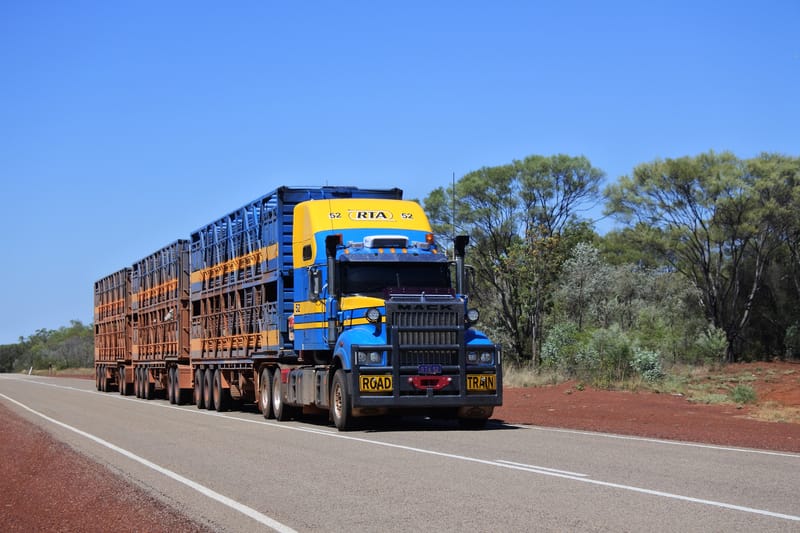
With planting and harvest activity building, demand has lifted across rural Australia. That is putting pressure on fuel access, supply and price across the networks that keep livestock, grain and rural freight moving.
For our industry, this is a live business issue. When fuel spikes this hard, margins disappear, cash flow tightens, and the freight task gets harder to sustain.
Canberra heard the message
Over the past fortnight, Ashley and I have been in Canberra and continuing discussions with the Prime Minister’s Office and key Ministers on fuel supply.
Our message has been simple: this is a regional distribution problem.
National supply figures mean little if fuel is not reaching the parts of the country that rely on it most. What is happening in the capitals is not what operators are dealing with on the ground across regional Australia.
ALRTA has pressed for stronger support for rural fuel distributors, priority for regional supply chains, and recognition that freight keeps food and agricultural production moving.
That message is starting to land.
At last week’s roundtable, both Minister Bowen and Minister King acknowledged the pressure points in the system and the need to make sure supply reaches where it is most needed. International reserves are being released and domestic options are being examined.
The real test now is distribution. Extra supply only matters if it gets past the cities and into the regions.
The broader picture
Australia imports most of its refined fuel, and South Korea is one of the key suppliers. But the trade runs both ways. South Korea also relies on Australian LNG, which gives both countries a strong interest in keeping energy moving. That should give some confidence about the broader supply relationship. The immediate problem is closer to home: getting fuel through the distribution chain and into regional Australia, where the pressure is being felt first.
The pressure is immediate
Diesel has risen from about $1.65 a litre at the start of March to between $2.70 and $2.90 within three weeks. Fuel makes up around 30 per cent of a rural transport operator’s cost base. In an industry where average margins are often only 7 to 8 per cent, a shock like that is not something operators can simply absorb. The problem is immediate:
- Operators cannot wear it
- Cost recovery often comes later
- The cash flow hit lands now
If nothing changes, the consequences are obvious: pressure on freight capacity, pressure on business viability, and pressure on the agricultural supply chains that depend on both.
What ALRTA is pushing for
ALRTA is calling for immediate, targeted action to stabilise regional freight operators facing extreme fuel price volatility.
- A temporary reduction in the Road User Charge
This is the fastest and most targeted way to deliver relief to heavy vehicle operators. ALRTA is seeking a temporary reduction in the Road User Charge to zero through the Fuel Tax Credit system. That would provide full relief from the current 32.4 cents per litre charge.
- Targeted grants for small operators under acute pressure
ALRTA is also calling for disaster-style government support for small operators undersevere financial pressure. For operators with fewer than 20 staff, that should mean grants of up to $25,000 to help absorb the immediate cash flow shock. Many of the businesses carrying regional freight are small, family-run operators. They are essential to local supply chains and often the least able to carry a sudden spike in costs.
- Faster productivity reform
Relief is one part of the answer. Productivity is the other. Western Australia has already shown what practical reform looks like through additional road train capacity and improved last-mile access. More freight per trip means fewer trips, lower fuel use per tonne, and better efficiency across the network.
ALRTA is advocating for these gains to be delivered by notice, not permit. If government is serious about productivity, the response should be simple, consistent and ready to use. Importantly, all three measures can be delivered by Ministerial decision. They do not require legislation, which means relief can be delivered quickly.
What members should do
For members, the practical message is straightforward. Stay close to your fuel suppliers. Support your local distributors. Avoid unnecessary stockpiling. Keep purchasing patterns as normal as possible. In periods like this, steady relationships and steady behaviour matter.
The job now
This is not just a fuel story. It is a regional freight story. The priorities are clear: get supply into regional Australia, support operators under pressure, improve productivity where it can be done quickly, and make sure relief reaches the businesses carrying the freight task. That is the case ALRTA is continuing to press.