


Recent reports of fuel supply concerns and diesel shortages for trucks highlight a serious vulnerability in Australia’s transport system. Farming, mining, transport and consumer groups have already warned that disruptions to diesel supplies can quickly affect supermarket food deliveries, fertiliser supply, and regional industries.
This situation is a reminder that relying almost entirely on diesel-powered road transport is risky.
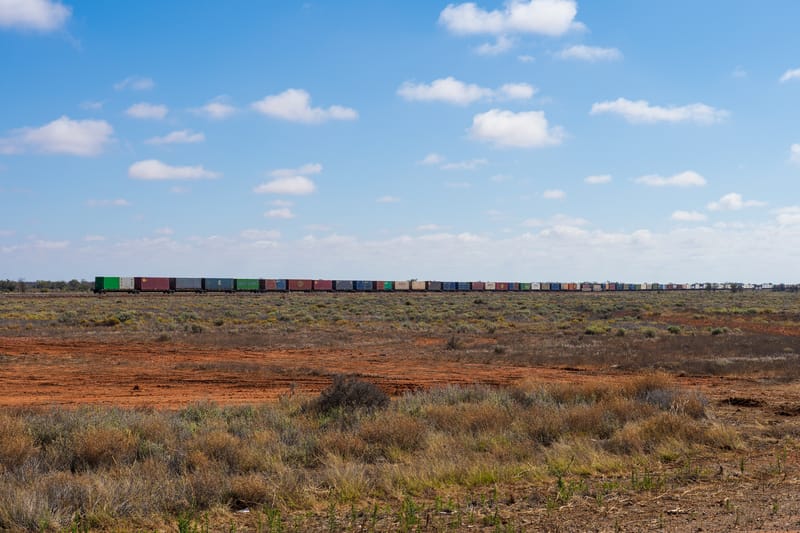
Regional railway lines could play an important role in strengthening supply chains. Electrified rail, including trains powered by renewable electricity or solar-supported systems, can move large volumes of freight efficiently while reducing dependence on imported fuel.
The Northern rail corridor from Armidale to the Queensland border is a strategic asset that should be preserved and properly assessed for future transport use. Restoring regional rail could support agriculture, freight logistics and regional development while improving energy security.
Keeping rail corridors intact today may prove vital for the resilience of our transport system tomorrow. Rather than short term fixes when a crisis arises, governments have to develop long term plans for fuel security for the nation including susatinable delivery mechanisms outside Greater Sydney.


Rail especially in the huge agricultural region of New England will bring many economic benefits and opportunities to sustain and improve agriculture into the future in uncertain times.
Fuel savings on freight, drought proofing and resilience, could mean all the difference to farmers, through droughts or bushfires, it could also bring water instead of the massive costs of trucking water in hard times. It would increase opportunity for feed lots and finishing delivering bulk feed and supplements cheaply which could increase more processing opportunity in the region and again saving on long distance transport costs of road.
Rebuilding the New England railway would be throwing the farmers and producers who feed everybody a valuable life line.
Rail has to be extended, improved and dormant lines reactivated. This is still the cheapest financially and environmentally way for moving freight and passengers particularly with the advances in solar and battery technology.
Trains that use Hydrogen energy don’t rely on fossil fuels.