


This is Part 1 of a series for Australian Rural & Regional News featuring
Australian winemakers factoring climate change into their winemaking.
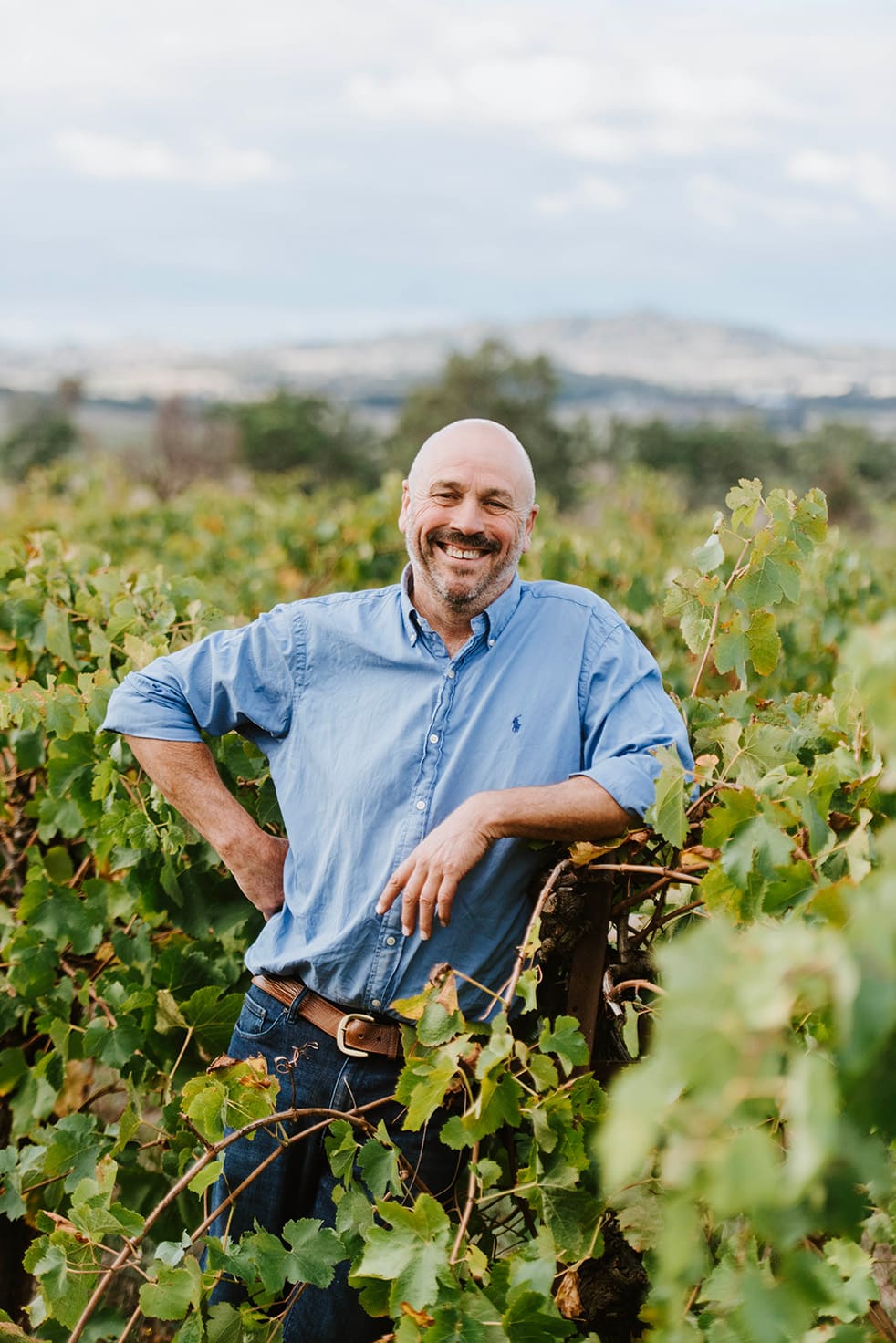
Adaptation to climate change is happening at ground level amongst the vines in Australia. One winemaker in the vanguard is Mudgee winemaker David Lowe, who, in 2021, made a major decision in pivotting his certified organic and biodynamic estate away from “delicate French varieties” and towards hardy Mediterranean styles better able to handle a hotter, more volatile future.
Five years later, Vintage 2026 has justified this decision. Characterised by David as a “sprint, not a marathon,” 2026 is one of the shortest and most compressed harvests, comparable only to 2003. David’s ‘Latin Quarter’ vineyard block of alternative Southern Mediterranean varieties (AKA his Climate Change Vineyard) is doing particularly well, with heat-resilient varieties such as Nero d’Avola and Zinfandel having thrived in the extreme summer heat.
David is looking to winemaking techniques in Sicily in Southern Italy to inform his own since conditions in Mudgee 2026 are similar.
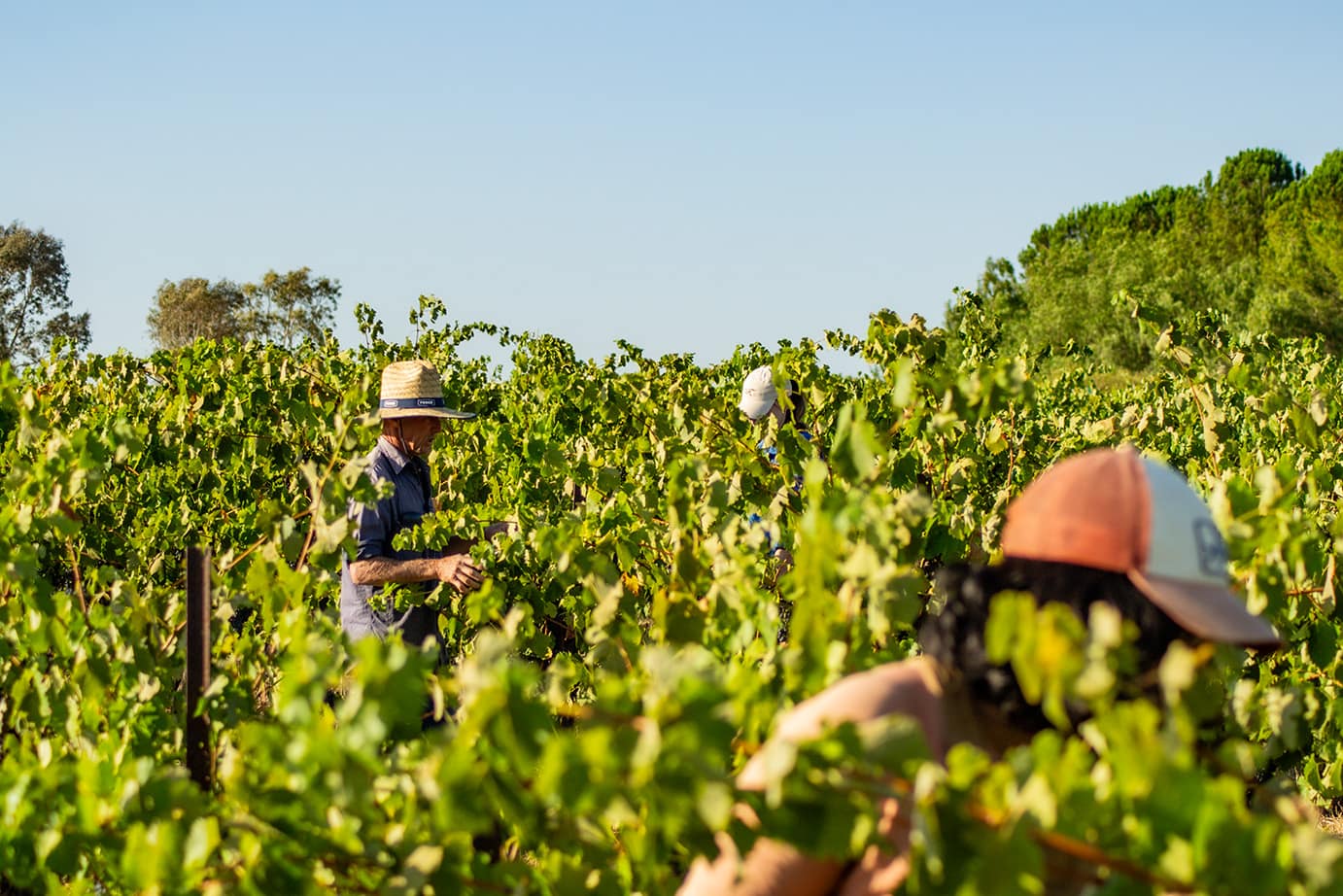
Australian Rural & Regional News found out more from David Lowe
ARR.News: Was there a particular defining moment when you made the decision to branch out with your ‘Climate Change Vineyard’ or did the idea grow on you over time?
David Lowe: It had been playing on my mind for about three years prior, but the real lightbulb moment came in 2021. I drove nine hours down to Mildura to meet with Bruce Chalmers, who has been a great pioneer with alternes. Seeing what he was doing and having that conversation just confirmed everything I’d been thinking. The long drive home was when I made the decision.
ARR.News: What research did you do before deciding upon the varieties to plant?
David Lowe: There was a lot of reading involved, and naturally, trying the wines made from the varieties I was considering. But the most critical piece of research was examining the BOM (Bureau of Meteorology) climate change atlas model in detail. That model chronicles what Mudgee’s climate is forecast to look like by the year 2100. Once I looked at that data and saw where the temperature and rainfall was heading, the choice of what we needed to plant became clearer.
ARR.News: Did you talk about what you were up to with other Mudgee winemakers or keep it quiet for a bit?
David Lowe: Well, we were actually all in the same room back in 2019 for a seminar held by the AWRI (Australian Wine Research Institute) discussing these exact issues. There was some hesitation in the room about making any major changes so when the time came, I went ahead on my own.
ARR.News: (A question from a non-grower) What sort of lead-in time is needed to bring on a new variety? From scratch or is it possible to get a head start with existing vines?
David Lowe: If you’re starting from scratch, you’ve got to give the soil about two years’ notice. Then it takes three to four years of growing before you see any sort of meaningful yield. Then some years spent getting the winemaking right. So far we have just harvested two varieties from our Latin Quarter/Climate Change vineyard- more are coming as the vines develop!
ARR.News: What were the key factors you were looking for in a variety to go well just where you are at Mudgee?
David Lowe: I was looking for tough skins, good disease resistance, salt tolerance, vigorous growth and reasonably high yields. Another key factor is later ripening. Traditional varieties ripen too fast in the extreme heat of summer; We need fruit that ripen later, out of that peak heat. Beyond the farming side, I chose alternative styles that I thought would appeal to the adventurous palates of younger drinkers.
ARR.News: Mudgee gets pretty cold and frosty, doesn’t it? Not really Mediterranean surely?
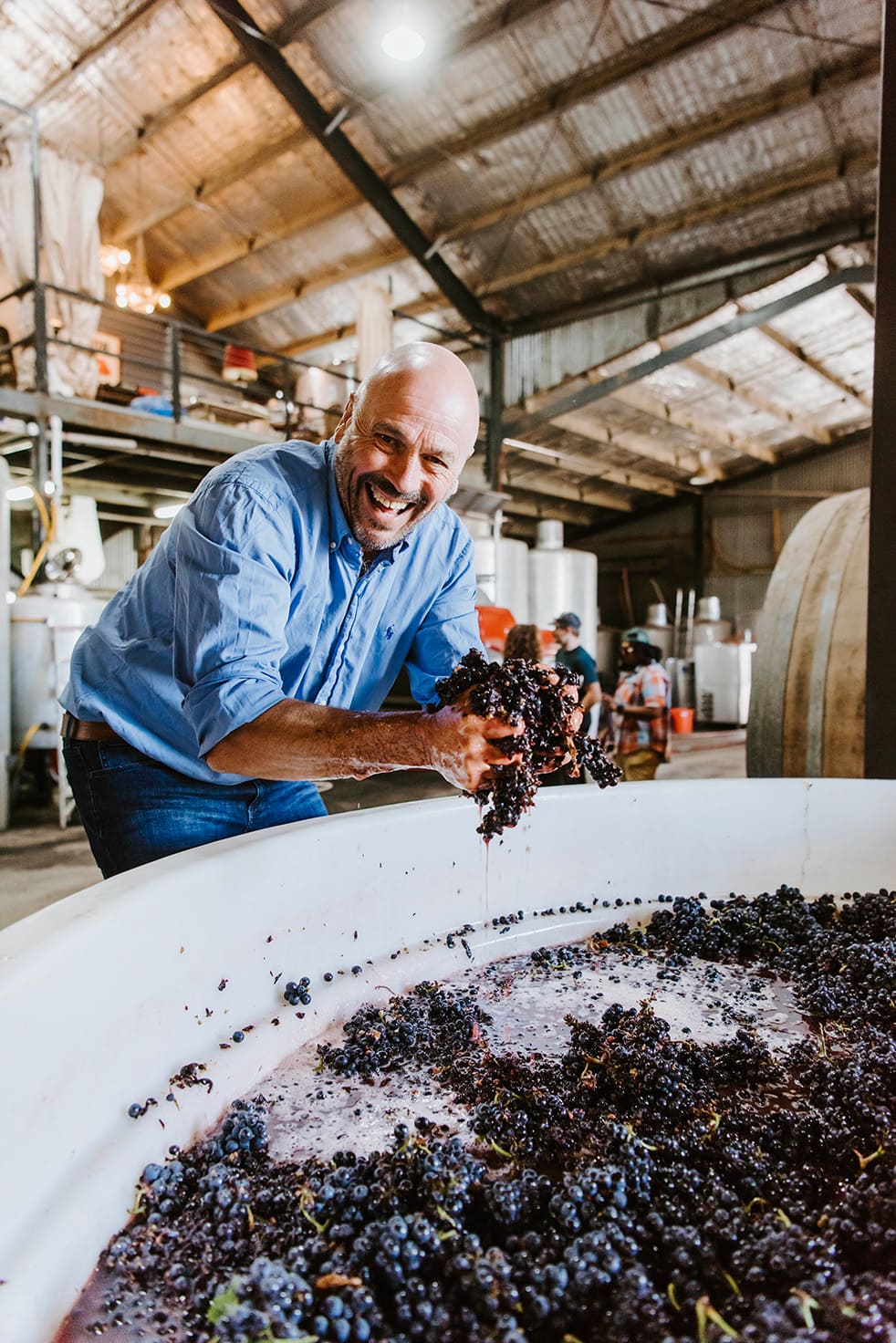
David Lowe: It’s true we get cold snaps and frost, but we manage that by planting our vineyards away from frost potential, higher up on the slopes. Mudgee’s climate is Mediterranean during the key growing season: October to February. During this time we are increasingly experiencing heat days similar to those seen in the Mediterranean. That window is where the grapes develop, which is why these varieties make so much sense.
ARR.News: Why is 2026 such a “short, compressed” harvest and what difference does this make to these Mediterranean varieties and other varieties?
David Lowe: Because of the heat, the grapes ripened early, in the peak heat of summer. When this happens you need to harvest fast or they become cooked!
ARR.News: How have these and your other varieties fared this harvest? In quality and volume, for instance?
David Lowe: Overall, they fared brilliantly. The skins were incredibly tough, they handled the heat spikes exceptionally well, and the birds absolutely loved them, which is always a frustrating, but highly accurate, sign of quality in the vineyard!
ARR.News: Are you planning on expanding your Climate Change Vineyard or will you keep a mix with the other varieties?
David Lowe: By 2027, I’ll have enough data to truly know how successful this initial exercise has been. Once we hit that milestone, it’ll be time for the next stage, which involves looking at indigenous varieties from Türkiye. I might play around with some blends down the track, but my primary focus right now is to champion these varieties and make new and interesting styles of wine.
ARR.News: Are there key lessons you could share from developing your Climate Change Vineyard with other winemakers, from Mudgee or elsewhere?
David Lowe: Absolutely. We are currently collecting data to back up all our findings. In two years we should have a complete picture to share with the industry.
ARR.News: Importantly, can you describe the taste of your Climate Change wines compared to your others? How have they been received so far?
David Lowe: They seem to carry this salty, briny characteristic, which is great because you can pop an ice cube or two into the glass without diluting the taste. They’re naturally higher in potassium, which gives the wine a tactile mouthfeel compared to your traditional French and German varieties, which are more acidic The feedback for these wines has been great. We even had Rugby League players coming into the cellar door and buying these new varieties instead of their usual Chardonnay! It tells me we are onto something.

