


WFI Insurance, Media Release, 4 December 2025
WFI Insurance has today shared concerning rural crime statistics in conjunction with the University of New England (UNE) Centre for Rural Criminology, revealing 90 per cent of NSW farmers have experienced crime on farms, with around 30 per cent victimised 7 or more times1.
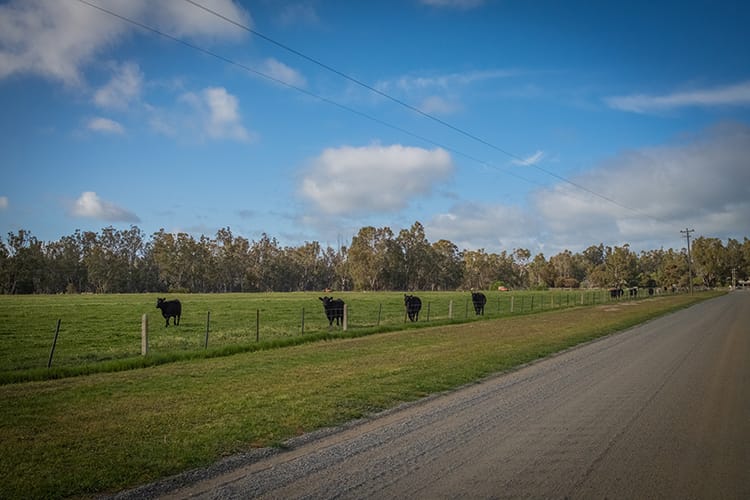
The crime statistics from UNE’s National Rural Crime Survey were highlighted on a special WFI rural crime podcast which aims to help farmers reduce their risk of being targeted by criminals.
WFI Insurance Executive General Manager Damien Gallagher said, “The statistics highlight the significant challenges that farmers face, with criminals taking advantage of properties, livestock and assets in remote locations which are often difficult to secure and monitor due to the nature and scale of farm work.
“While the physical losses can cause widespread disruption to farming operations, the psychological impacts can be far longer lasting. We hope that by sharing this important podcast and tips to reduce farm crime, we can help to strengthen security and safety on farms.”
While WFI Insurance claims statistics show an overall decline in rural crime over the past five years, reducing around 15 per cent since 2020, UNE’s Centre for Rural Criminology Co-Director Dr Kyle Mulrooney, emphasised this may not be a true reflection of the crime that’s occurring.
Dr Mulrooney said, “Reporting of rural crime to police is abysmally low in Australia. The severity of underreporting paints a dire picture of farmers feeling like they have to go it alone. Farmers view it as the cost of doing business.
“That just shouldn’t be the case. We should help farmers understand and alleviate the reporting limitations, whether that be through smart ear tags for livestock, specialised CCTV or increased signage.”
Research2 shows the installation of signage can be a major deterrent to criminals.
“Crime prevention literature shows the overwhelming impact of signage. Do not enter, private property, CCTV in use, has an immense impact on offender psyche,” said Dr Mulrooney.
According to UNE’s survey, livestock theft is the most underreported crime, with only around 50 epr cent – 60 per cent reported to police. Reasons cited for not reporting include a lack of confidence in police being able to do anything, with circumstances of thefts difficult to pinpoint due to livestock roaming unchecked for large spans of time across vast areas.
The impact of crime on mental health can also be significant, with incidents leaving farmers feeling vulnerable, isolated, and worrying about crime consistently.
WFI claims data shows:
- The height of summer is when rural crime peaks. On average, January has around 14 per cent more crime related insurance claims than any other month, followed by February and March.
- Winter months see significantly less crime. On average, June has the lowest rate, with around 27 per cent fewer crime related claims compared to January.
- Caravan and motorcycle theft surged 80 per cent last year, while passenger vehicle thefts such as Utes and 4WDs decreased by around 16 per cent.
- Motor claims include vehicles and machinery being stripped of engines, fuel, tyres, rims, and GPS systems.
WFI recommends farmers meet regularly with their insurance representative and review policies to ensure assets are listed, coverage is adequate, and equipment and livestock records are maintained.
To access WFI’s factsheet with tips to reduce crime on farms, please see: wfi-farm-crime-in-australia-wfi1251-rev1-1125.pdf.
To listen to the podcast, please visit: Rural crime – the silent epidemic – Good People to Know | Podcast on Spotify.
1. UNE National Farm Crime Survey
2. The new normal of web camera theft on campus during Covid-19 and the impact of anti-theft signage | Crime Science

