

The tragic death of a 53-year-old Hatfield man in a recreational aircraft crash near Balranald has renewed calls for reform.
The incident exposes a concerning divide in how Australia responds to aviation fatalities.
The pilot died when his Aeroprakt Foxbat recreational plane crashed on D-Block Road. The location was approximately 130 kilometres west of Hay in western New South Wales. Despite the fatal outcome, the Australian Transport Safety Bureau (ATSB) will not investigate.
The bureau cites guidelines that exclude recreational aircraft from standard investigation protocols.
Current regulations exclude recreational aircraft accidents from ATSB investigations. The bureau only investigates when there is demonstrated “wider safety need”.
This policy creates a two-tiered system. Fatal crashes are treated differently based on aircraft classification rather than severity.
The decision highlights resource challenges facing Australia’s transport safety investigators. The ATSB receives notification of approximately 8,000 incidents annually.
However, it has capacity to investigate only 70 aviation, maritime and rail incidents each year. This means multiple fatal accidents go without formal investigation. Critical safety lessons are potentially missed.
Aviation experts have expressed growing concern about this approach, particularly given Australia’s dual regulatory system. Whilst the Civil Aviation Safety Authority (CASA) oversees commercial and general aviation, Recreational Aviation Australia (RAAus) manages recreational aircraft and pilots. This division has created gaps in safety oversight that some argue compromise the nation’s ability to learn from tragedies.
Recent developments have intensified scrutiny of recreational aviation oversight. RAAus itself faces investigation by CASA and the Victorian Director of Public Prosecutions over alleged conduct during previous crash investigations.
Meanwhile, the Aircraft Owners and Pilots Association Australia has called for all RAAus accident investigation reports to be made public, citing transparency concerns.
The debate reflects broader questions about aviation safety priorities in Australia. With 27 fatalities recorded in light aircraft crashes during 2024, advocates argue that every fatal incident warrants thorough investigation regardless of aircraft type or registration body.
For families like those affected by the Balranald crash, the current system offers little comfort.
The loss of life carries the same weight whether it occurs in a commercial airliner or recreational aircraft, yet the response differs markedly.
The challenge facing policymakers is balancing limited investigative resources with the imperative to learn from every tragedy.
As aviation experts continue pushing for reform, the question remains whether Australia’s current approach adequately serves the safety interests of all who take to the skies.
The memory of those lost in recreational aviation accidents deserves more than regulatory categorisation – it demands the same commitment to understanding and prevention that guides investigations across all forms of transport.
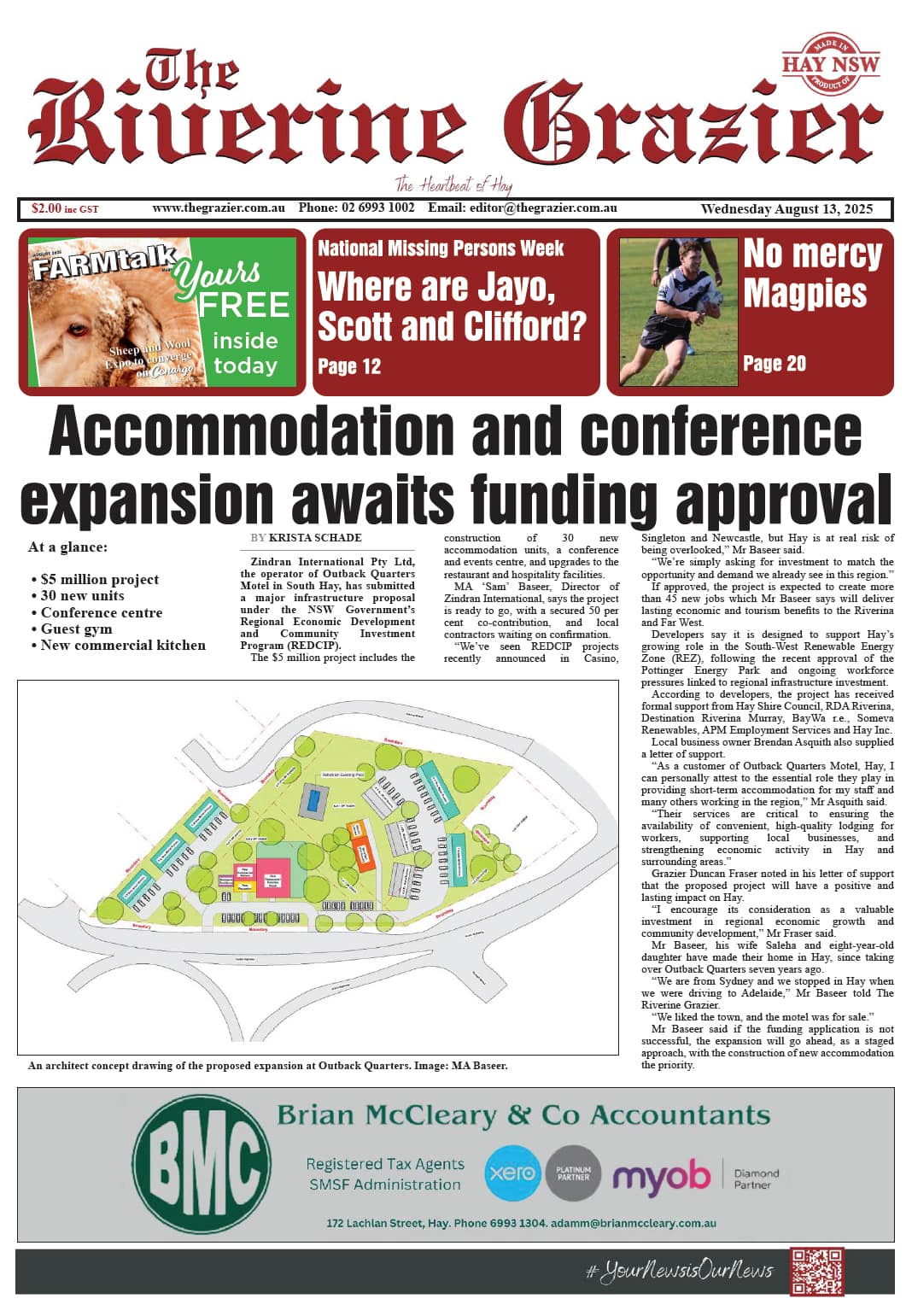
This article appeared in The Riverine Grazier, 13 August 2025.
