

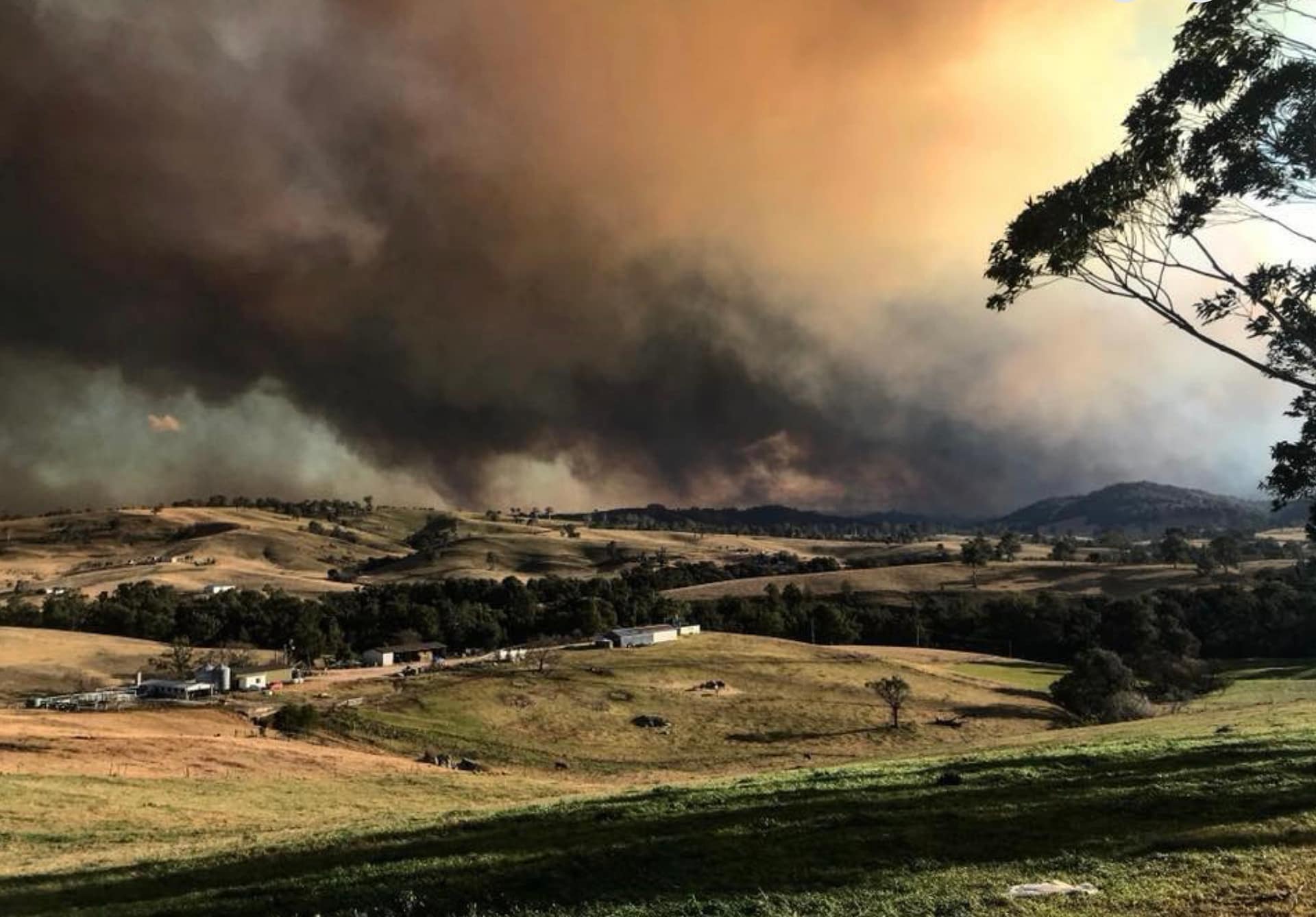
Seven years ago this month, the Yankees Gap fire, located in the Bega Valley on the south coast of New South Wales, originated from an escaped planned burn on private property adjacent to a national park. What followed was a slow-moving catastrophe over 44 days that scorched 20,000 hectares, destroyed homes and livelihoods, and exposed a fire management system built more for media optics than real prevention.
The tragedy wasn’t caused by unpredictable weather or bad luck. It was the direct result of muddled authority, poor planning, and a bloated bureaucracy that is far removed from land management and the bush. Volunteer firefighters were hung out to dry with little training on the increased responsibilities imposed upon them, and landholders were left guessing about who was in charge, as no one was actually in charge.
This story examines how it occurred, why it persists, and what needs to change.
The fire that should never have happened
This is not just a story of a fire that got out of control — it’s a story of a system that was never in control to begin with.
On 9 August 2018, a landholder on Yankees Gap Road near Bemboka, on the south coast of New South Wales, did what many had done before him. He organised a controlled burn to reduce fuel loads in a small section of his property, approximately five hectares adjoining the national park. Both tenures carried fuel that had built up since the mid-1980s. The intention behind the burn was not misplaced; landowners have long used fire to reduce fuel loads and promote pasture growth. However, in this case, the execution was nothing short of shambolic.
The Rural Fire Service (RFS) officers visited the site, but confusion about responsibility arose early. Two RFS volunteers were involved, yet neither took decisive ownership of the planning, execution, or oversight. The coronial inquiry revealed a muddled understanding between them regarding authority, who conducted the site inspection, and what recommendations had been made.
What was meant to be a straightforward burn became the very disaster it aimed to prevent. The fire was lit immediately before weather conditions should have disqualified it from proceeding. A steep, fuel-laden forested slope lay directly above the ignition point, making fire behaviour always unpredictable.
Planning documentation was unclear. There was no evidence of a comprehensive burn plan, no clarity regarding contingency arrangements, and no established lines of communication. Given the local brigade’s involvement and the site’s complexities, no RFS trucks or volunteers were present, except during sporadic visits primarily in response to emergency calls. The district officer was off sick, and no replacement was appointed. In his absence, the entire oversight chain operated on assumptions where the landholder assumed RFS was in charge, and the RFS assumed it was a private burn.
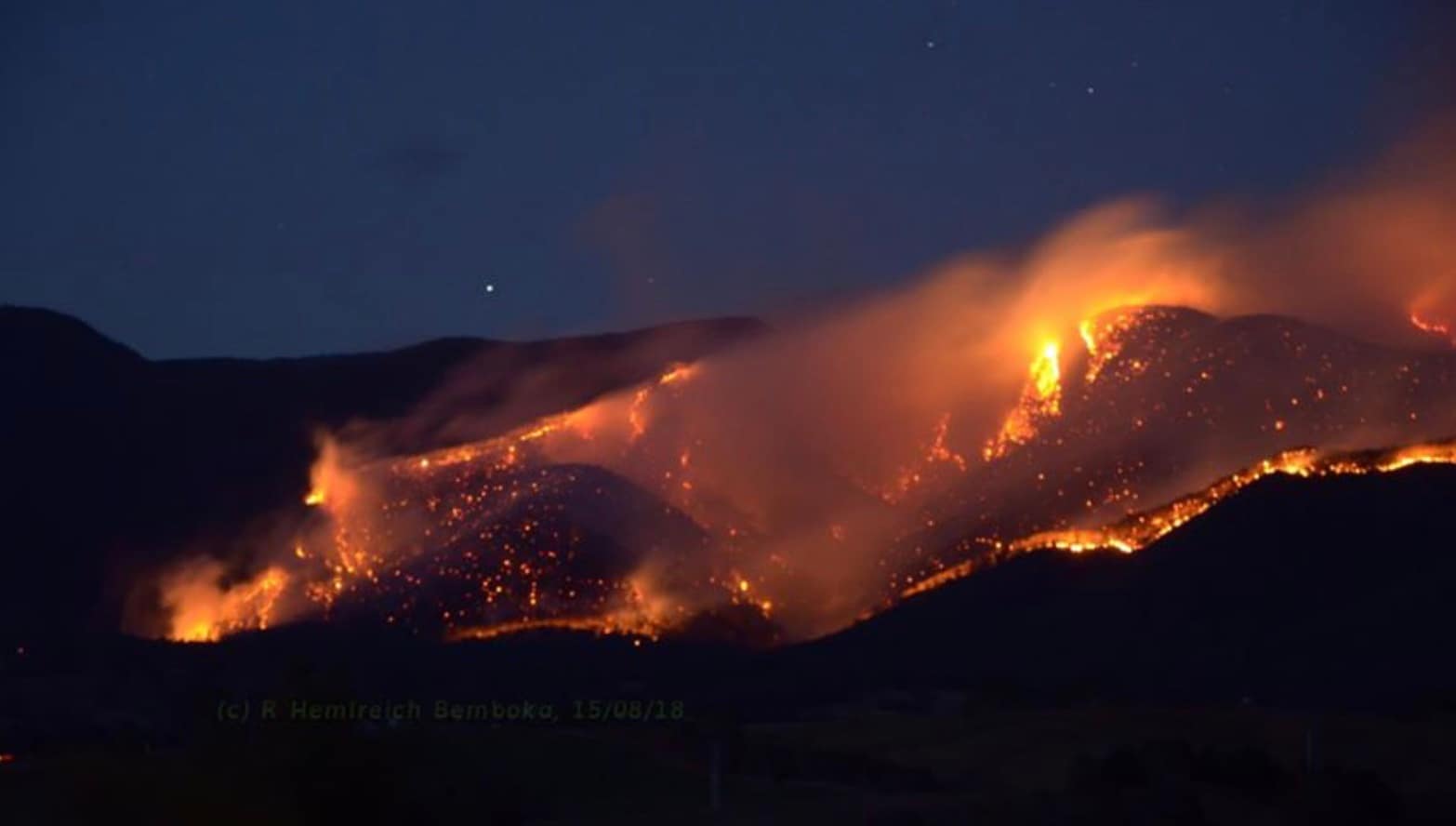
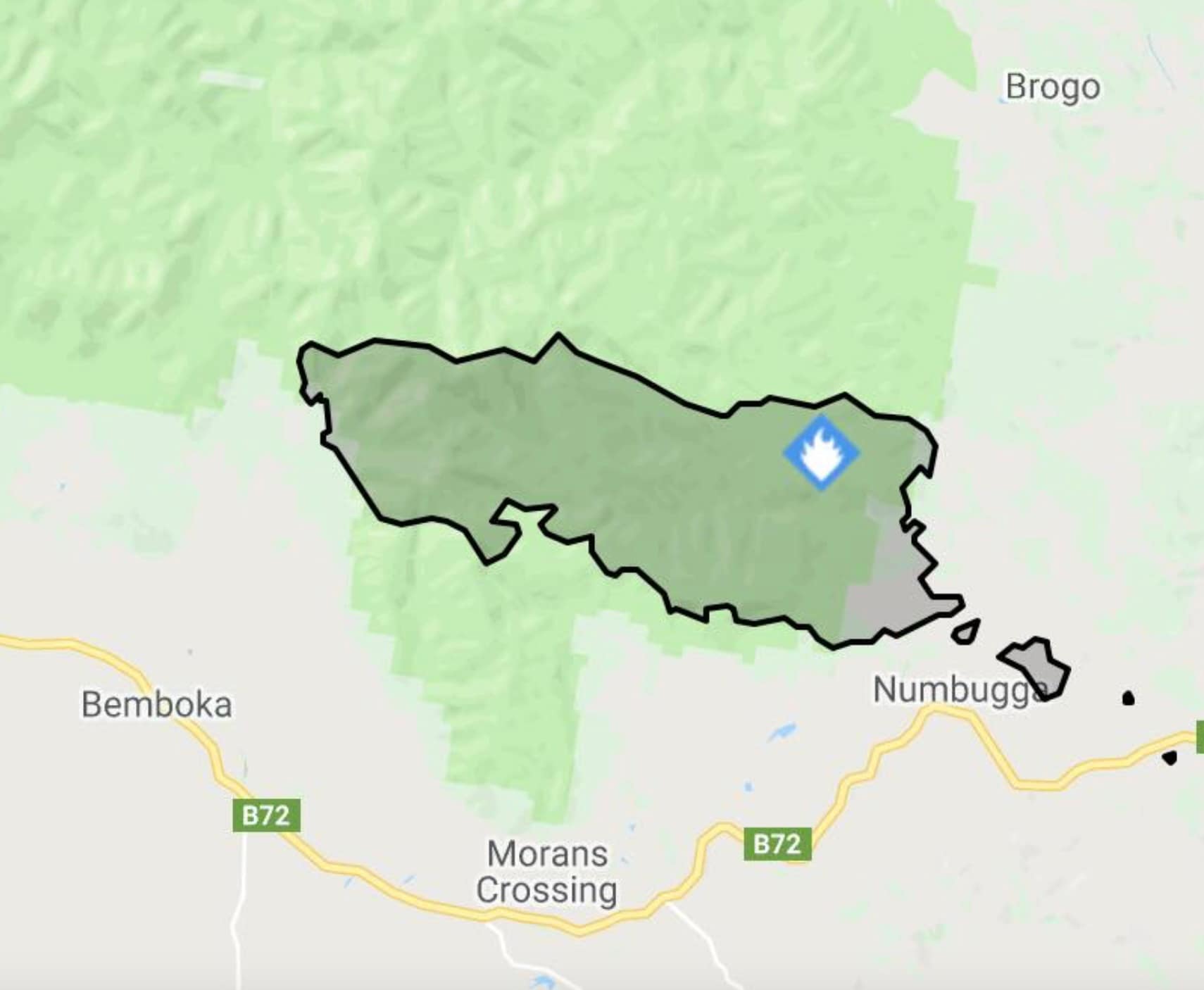
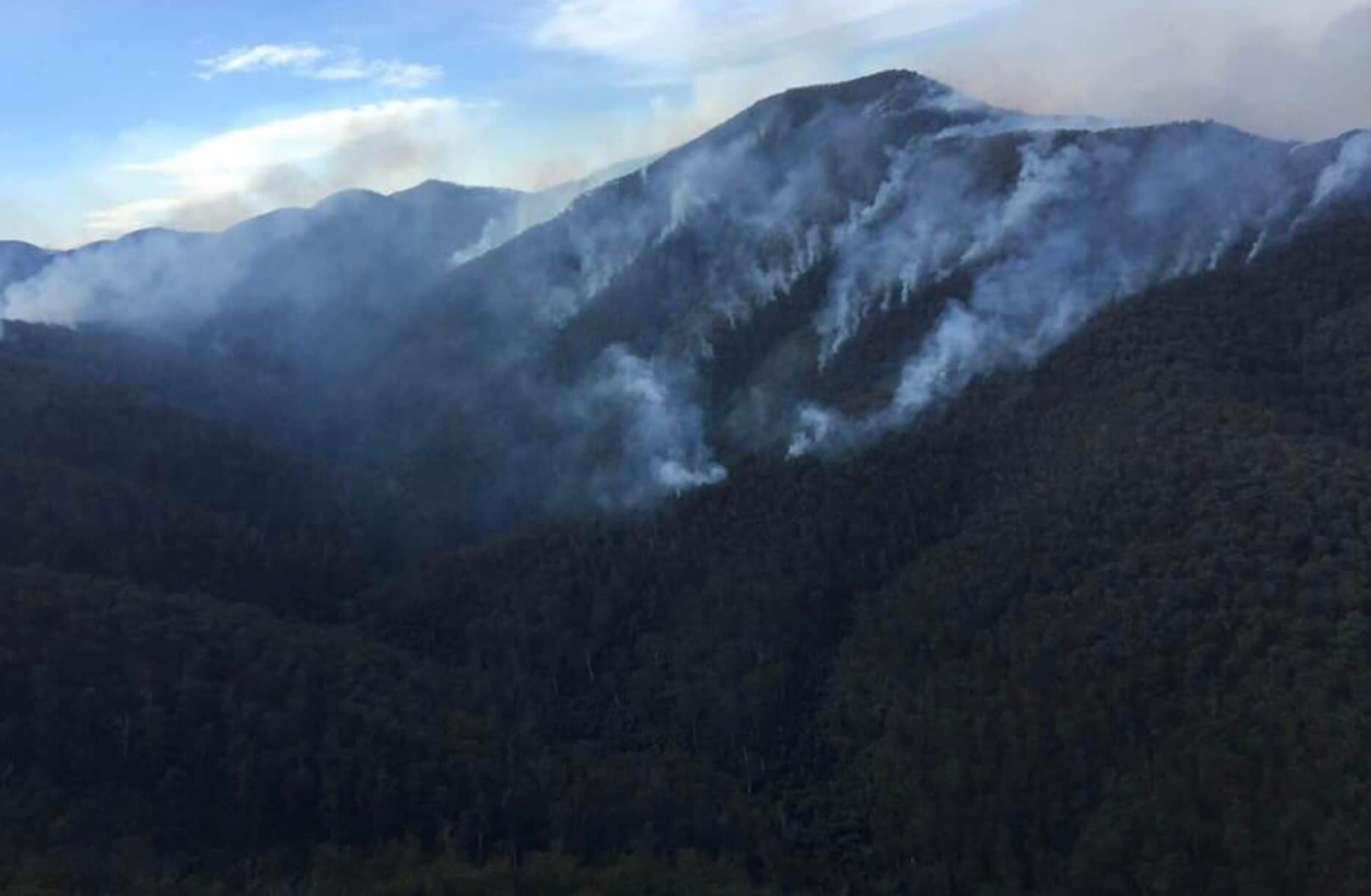
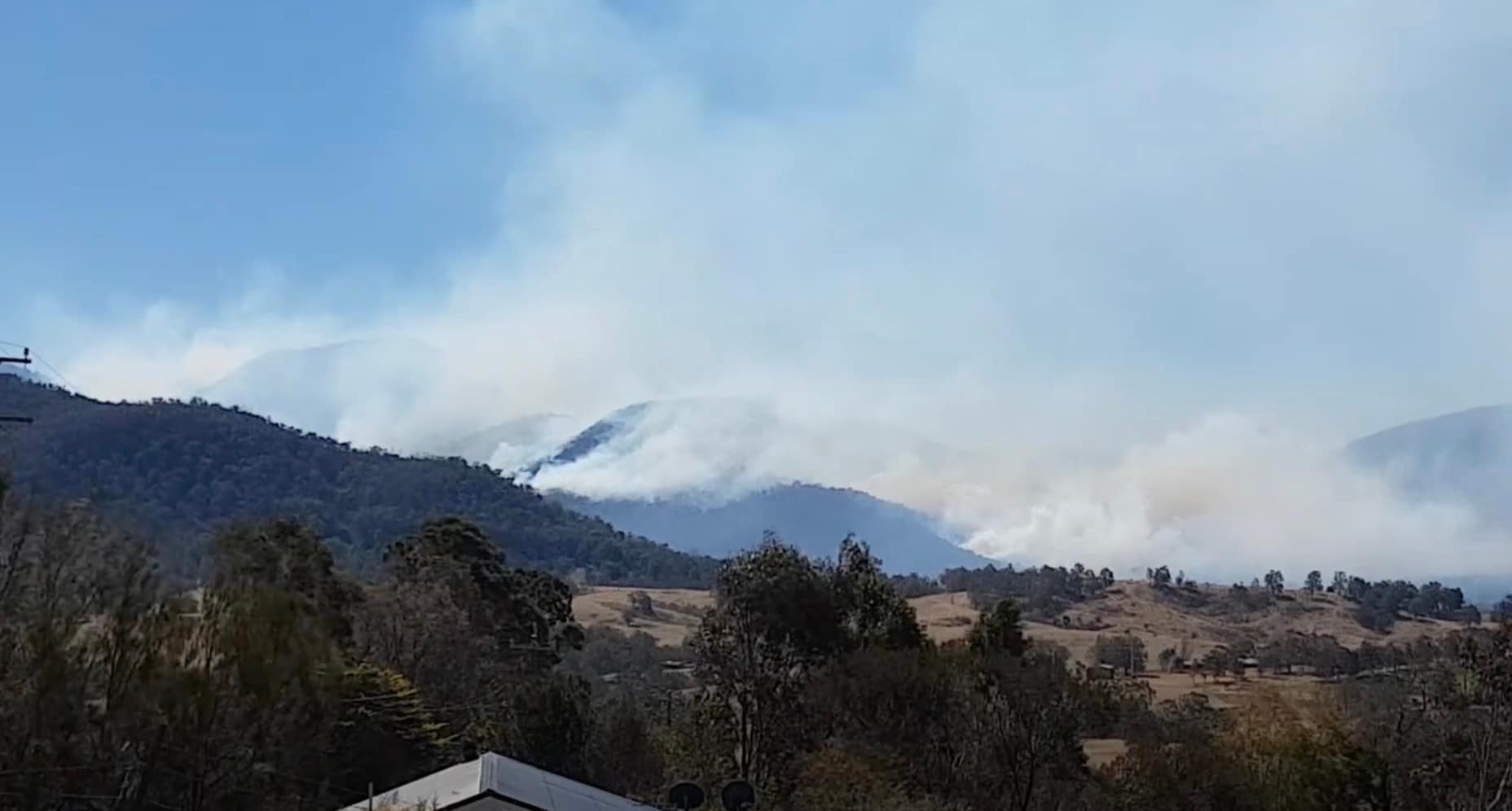
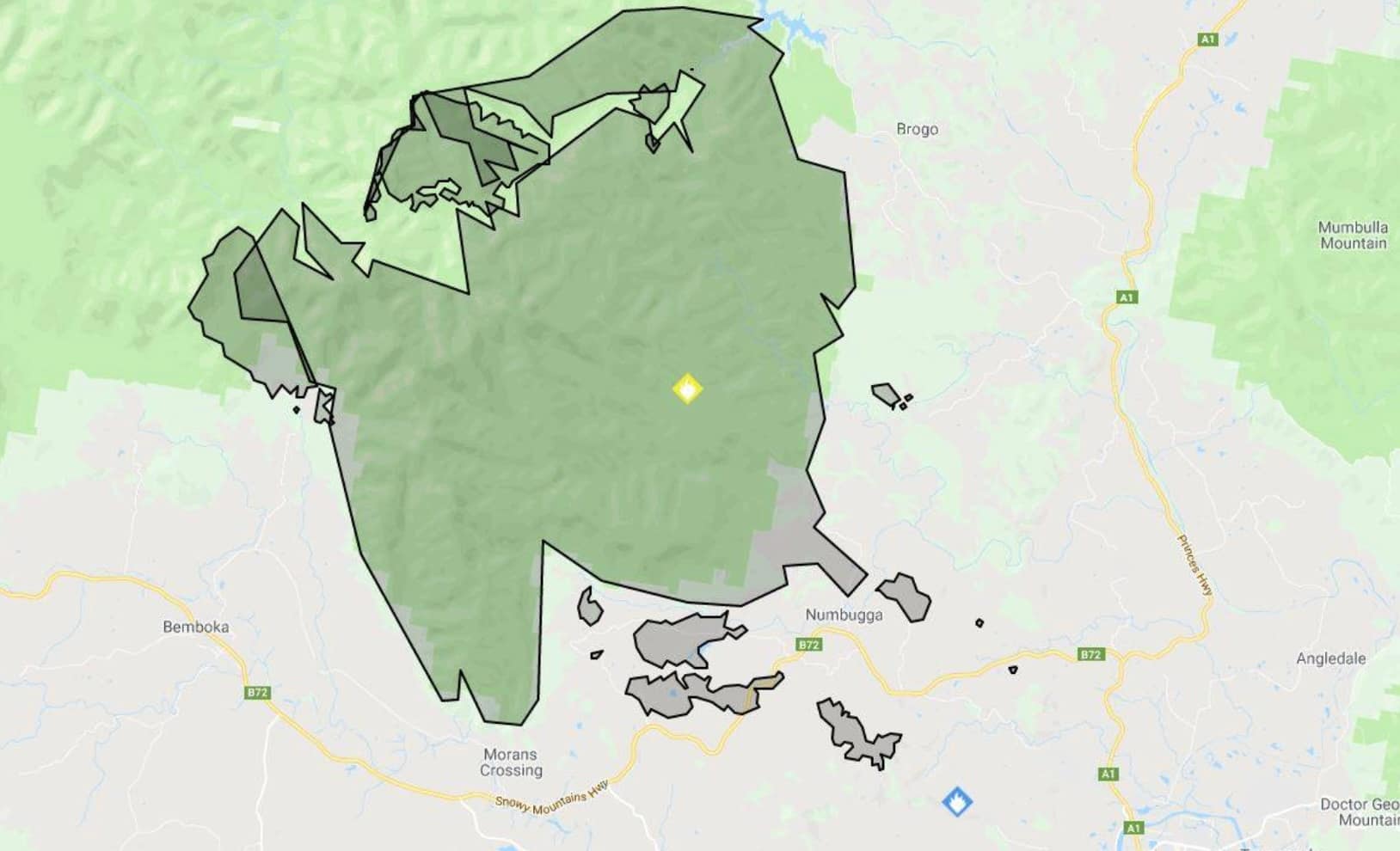
Within a week, the fire was out of control and spreading into the nearby South East Forest National Park. It burned for nearly three months, scorching 20,000 hectares of the park and the neighbouring Wadbilliga National Park. Four homes were lost, hundreds of kilometres of fencing were destroyed, and an untold number of livestock were killed. The estimated damage bill reached $9.3 million.

Jan Reynolds, a resident for 26 years and the first to lose her house and belongings, told reporters:
“This was not an act of nature: it was an act of man, and the catastrophe it became should have been circumvented.”
This wasn’t just a miscalculation; it was negligence dressed up as business as usual. Despite multiple red flags, the landowner was led to believe it was safe to proceed. The result was all but inevitable.
What follows is a forensic examination of how a poorly conceived and incompetently managed burn evolved into a destructive wildfire, and how that failure reflects an emergency bureaucracy that no longer understands fire, land, or basic risk reduction.
Who was in charge? Nobody knows
The first red flag was confusion over who was responsible for carrying out the burn. Lighting fires these days isn’t as straightforward as it once was. This reflects a lack of fire management experience among many newer landholders and a reliance on volunteer brigades, which are themselves often under-supported.
The fire was doomed despite the landholder’s best intentions. Fuels should have been managed earlier in the year when the fuel moisture differentials and overnight humidity provided safer conditions. This may have required more active effort, but it would have been safer.
The landholder believed that the RFS was managing the burn, while the RFS considered it a private matter and distanced itself from responsibility. Neither party had the full picture.
And where was the National Parks and Wildlife Service in all this? Given the fire’s proximity to the park boundary and the known fuel loads, they arguably should have been involved in the planning process. Perhaps they were not aware.
Coronial Inquiry
Held five years later, the inquiry offered little comfort to those who lost homes and livelihoods.
It delivered far more than just another tale of a burn gone wrong. It serves as a damning case study of how modern fire management, bloated with bureaucratic processes, centralised authority, and a creeping detachment from the land, has lost its way.
The fire was not merely an isolated incident. It was the tragic and predictable outcome of a culture that values control-room command over hands-on competence; a culture that is far more comfortable responding to fires than preventing them.
The property owner sought approval for the burn from RFS through the local brigade volunteers. This is typically achieved through the Bush Fire Hazard Reduction Certificate process, a requirement outside the Bushfire Danger Period, which, according to the coroner:
“Provided a defence to offences under the Rural Fires Act, as well as other environmental legislation, if the landowner is burning vegetation for hazard reduction purposes or land clearance on private property”.
After receiving verbal approval, the landholder hired a contractor to create a firebreak around the perimeter.
The landholder admitted to the coroner that he had only learned about these certificates four days before providing oral evidence. He also acknowledged that he had not prepared a written burn plan, despite the requirement for one when applying for a Hazard Reduction Certificate.
Worse still, the local brigade captain who facilitated the application had received no training in legislative requirements or hazard reduction protocols, including the requirements for the Hazard Reduction Certificate. Additionally, he was unaware of the RFS information pamphlets that exist to inform the public about the process.
As any forester has opined for the last 20 years or so, the bureaucratic emergency response monolith has expanded to replace professional land management, reflecting the underlying causes of why disastrous fires, such as those at Yankees Gap, continue to occur.
A fire lit in a vacuum of leadership and poor risk assessment
The systemic flaws identified in the coronial inquiry didn’t just appear in hindsight; they were present on the ground that day, in real time, as the fire was being lit and mismanaged.
The district officer, a key figure, was off sick, and no one replaced him. Believing the RFS would provide support, the landholder, ill-equipped, ignited the fire without conducting a pre-burn checklist or fire weather briefing. Brigade volunteers responded on two separate days.
By the morning of 15 August, the fire, which was presumed extinguished, was rechecked. Conflicting accounts emerged; one suggested the RFS arrived at 5:30 am to mop up hotspots, while another stated that a call to 000 at 11:40 am alerted authorities to a reignition.
Regardless, no serious reassessment was conducted, and the RFS decided to leave, despite the weather forecast for that day predicting winds of 30-45 kilometres per hour and a high fire danger rating. Both the RFS and the landholder testified that the fire was benign, there was no smoke, and nothing was alight.
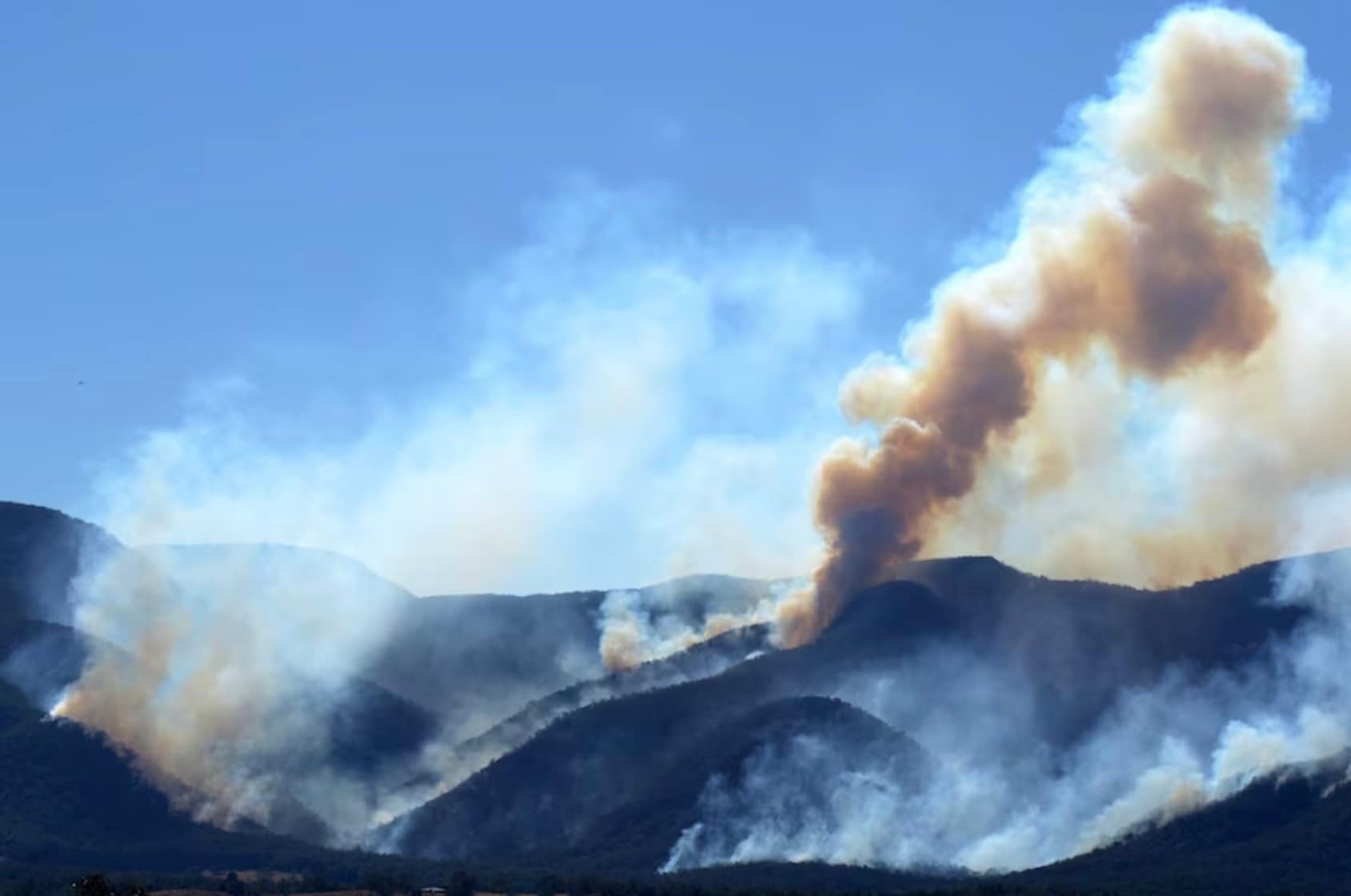
At the inquiry, one of the brigade captains was asked whether he was comfortable leaving an active fire near high fuel loads below a slope next to a large contiguous forested area in a national park. His response:
“That’s the position that was taken because it was his [the landholder’s] fire, and we did what we were required to go up and do.”
Despite the fire’s location at the base of steep slopes and among volatile fuel loads, the RFS’s risk assessment processes were nearly non-existent. The only documents in circulation were generic hazard reduction certificates. No detailed pre-burn risk matrix was completed. There was no scenario planning for escape, and no backup resources were available. Insufficient equipment and personnel were on site.
Worse still, there was no requirement for real-time, on-site risk reassessment before ignition, even though burn conditions can change within hours.
Emergency bureaucracy, not land management
The real story here isn’t just that a small burn with high risk was poorly planned and executed, and eventually escaped. It’s that no one knew who was supposed to be doing what, and that’s a direct result of the way the RFS now operates under a centralised emergency management framework.
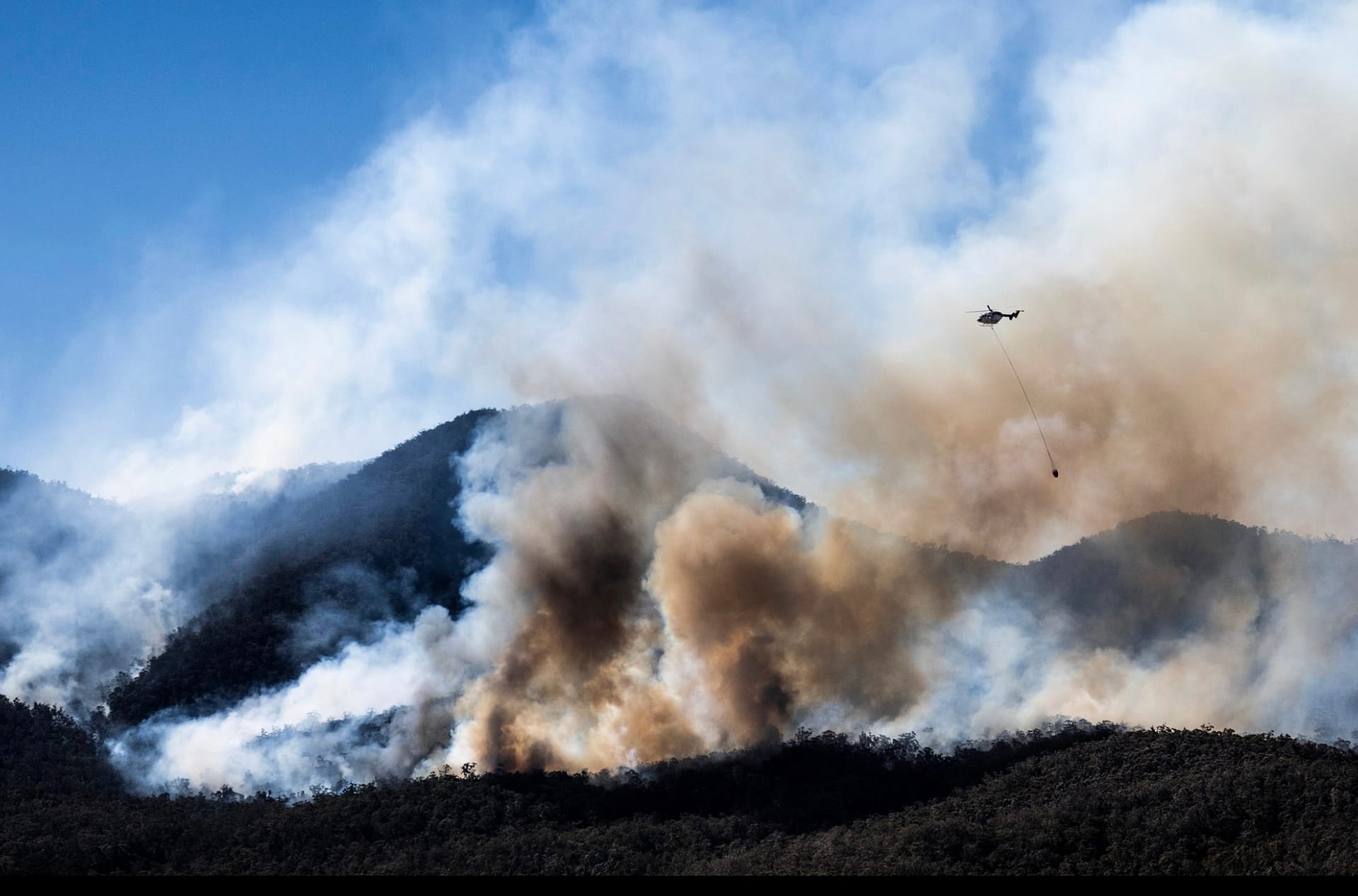
Once a volunteer bushfire fighting service built on local knowledge and practical fire experience, the RFS has transformed into a bureaucratic behemoth, primarily equipped to respond to fires while being more focused on red trucks, aircraft sorties, and media briefings during fire events than on preventing them.
Its senior officers are desk-bound emergency managers, often parachuted in from unrelated backgrounds, who are more comfortable with dashboards and data feeds than with weather forecasts and soil moisture. They pass the time preening around the office in their immaculate military-style uniforms, competing with each other to see whose epaulettes adorn every available space on their collars and sleeves.
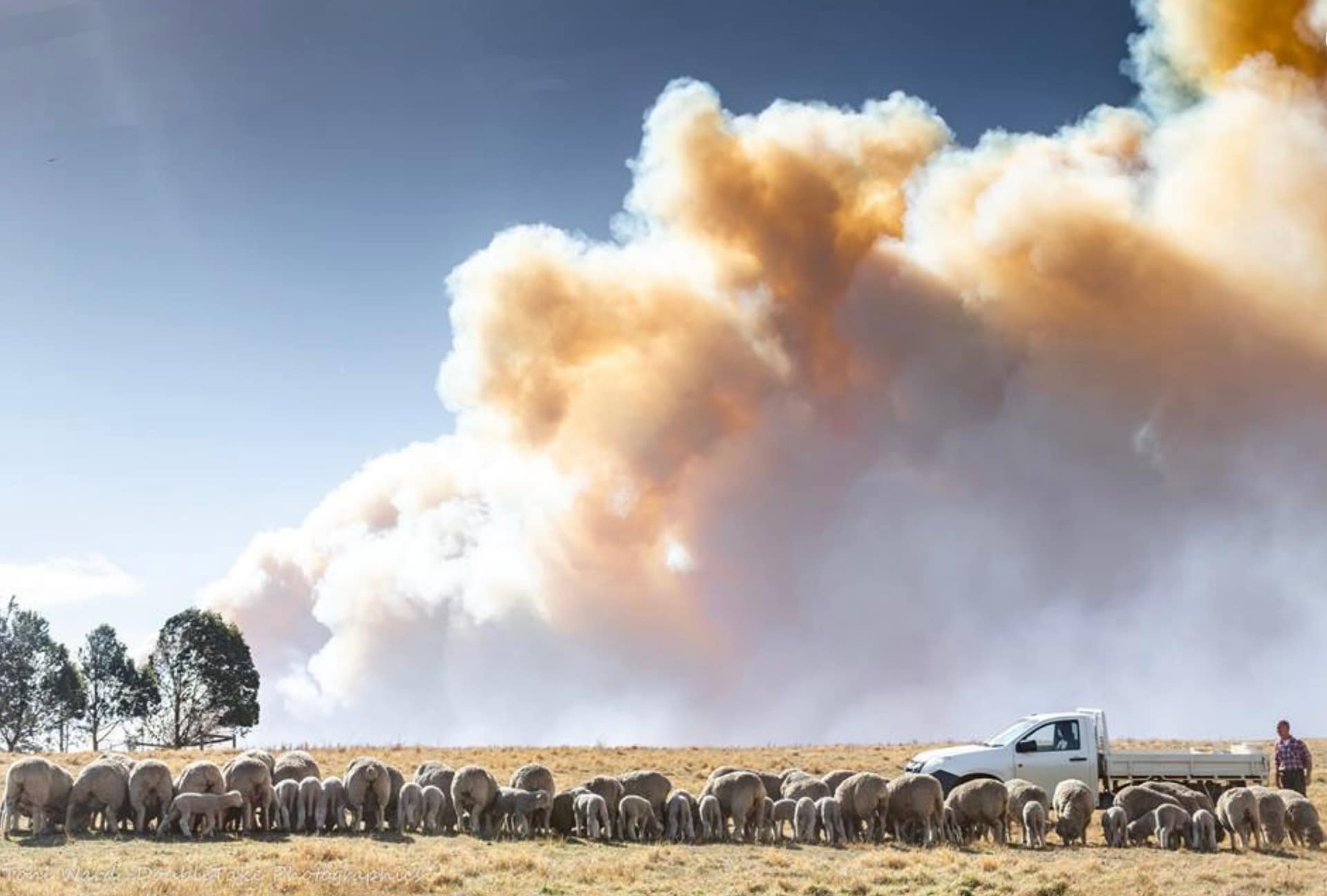
Meanwhile, the organisation considers prescribed burning a side hobby rather than the core business of fire mitigation.
Worse, the coronial inquiry revealed that no formal protocols existed for “assisted private burns”, a grey zone where accountability vanishes. The RFS likes the optics of involvement but not the responsibility.
The result is that burns are neither fully private nor properly supervised. A muddled middle ground where responsibility vanishes into the organisational fog.
This problem has existed for ages. It is just that we are now told it is under control when it is not, and department chiefs deceive their superiors and the public when they say otherwise.
Strategic hazard reduction, mosaic burning, and landscape-scale planning have been sidelined in favour of PowerPoint presentations, media stunts, and excessively costly yet operationally ineffective aircraft.
Career bureaucrats demand that volunteers – people with jobs, families and communities of their own – take responsibility for the consequences of systemic failures of their own making. These same bureaucrats sit on Local Bushfire Management Committees, which are supposedly tasked with ensuring that burn programs are planned and implemented to protect life, property, and forests. Yet, year after year, we witness the same muddled confusion over basic responsibilities such as fire planning, hazard reduction, and inter-agency coordination. And among this litany of failures is the paucity of prescribed burning.
Even worse, inexperienced green academics contribute their absurd theories and models, which contradict the fundamental physics of fire and affect government policy decisions, harming at-risk communities and millions of hectares of forests.
A culture of avoidance and blame
What the Yankees Gap fire exposed, more than anything, is a culture of avoidance and blame. The landowner was left to fend for themselves while bureaucrats argued over who had signed what and when. The local RFS volunteers, who were under-resourced and unsupported, were expected to assess and respond to a growing wildfire with inadequate equipment and poor information while trying to earn a living at their regular jobs.
Unsurprisingly, the RFS hierarchy escaped scrutiny. In an article titled “Unseasonable winter fires”, the RFS deliberately deceived everyone when they tried to portray the Yankees Gap fire as unusual because it started early in the season in August:
“In the Bega Valley, the Yankees Gap fire, burning since mid-August, roared into life once again after unseasonal hot and windy weather pushed the fire towards property near Bemboka, Numbugga and Moran’s Crossing”.
However, they failed to acknowledge that the fire resulted from a failed hazard reduction burn that got out of control when bad fire weather arrived.
When the fire breached the boundary, confusion reigned. Multiple brigades arrived without coordination, and communications were patchy. Emergency calls were misrouted, and crews lacked situational awareness. Due to the delays and confusion, the fire expanded rapidly.
This pattern appears in nearly every major fire. What’s shocking is that despite significant investments in emergency management over the past 20 to 30 years, the same issues continue to resurface.
It is worth noting that this fire occurred just weeks before the official start of the declared bushfire season. Every forester and land manager in the country knows this window, the late winter–early spring transition, when landholders – particularly graziers – often light up paddocks to chase a green pick for cattle. These burns are typically rushed, poorly planned, and executed without the use of containment lines. Frequently, it’s state forest or national park staff who are left to clean up the mess before it gets out of control. We saw this in the 1939, 1967 Hobart and the 1968 eastern seaboard fires.
Death of a land management ethos
Gone are the days when land management agencies led hazard reduction with real accountability and hands-on experience. The silvicultural knowledge, local bushfire expertise, and respect for fire as a tool, not just a threat, have been diminished. In their place, we now have emergency response bureaucrats whose primary concerns are reputation management and political optics.
The Yankees Gap inquiry found failures in process, personnel, and priorities. Nobody in the RFS hierarchy took ownership, no thorough review ensued, and no one was held accountable. Moreover, it appears that no one has learned the hard lessons from a preventable fire.
This pattern repeats across major incidents. Instead of fixing the system, governments reward bureaucratic failures with increased funding and resources.
Conclusion: Reclaiming the ground truth
The Yankees Gap fire was finally contained on 27 September 2018 and declared extinguished on 8 November 2018. It reflects a broader trend in Australian land and fire management: the triumph of bureaucracy over bushcraft and politics over practice. Until we restore power and responsibility to those who understand the land, we will continue to witness these disasters unfold, each a carbon copy of the last.
It’s time to return to a model where prevention isn’t a seasonal checkbox or an afterthought, and land management isn’t a sideshow. Fires like Yankees Gap should be front-page scandals, not just for the damage they cause, but also for what they reveal about how badly we’ve lost our way.