Patricia Gill, Denmark Bulletin
A Denmark Community Foundation-commissioned report on social isolation has found that Denmark has more people living alone than the rest of WA.
Economist Juliet Grist of Rural and Regional Economic Solutions undertook desktop research and case study analysis of social isolation in Denmark.
The report, Social Isolation – A Denmark WA Contextual Analysis, found that in 2006 there were 473 people living alone and this had risen to more than 700 in 2021. Older people were more likely to experience many of the risk factors that can cause or exacerbate social isolation or loneliness.
Social isolation was defined as having fewer or infrequent social contacts or roles (objective), and little involvement in clubs or organisations.
Loneliness was based on having fewer, or less close, interpersonal relationships than one would like (subjective).
Social isolation is associated with risk even if people don’t feel lonely.
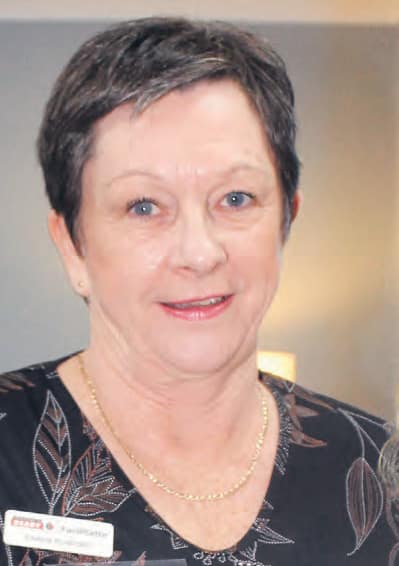
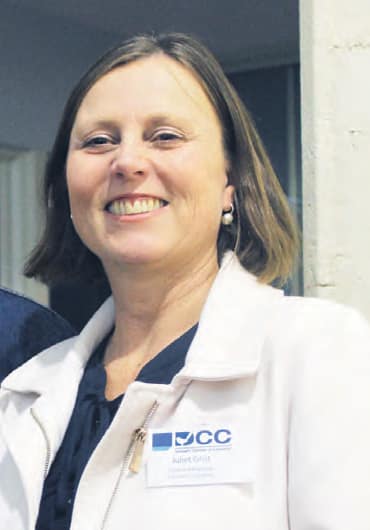
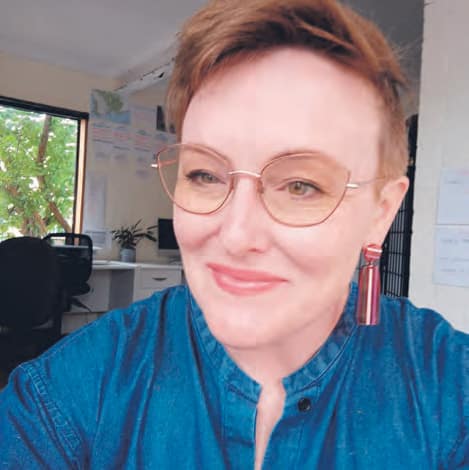
L-R: Karen Burford, Juliet Grist, Annette Carmichael. Photos courtesy Denmark Bulletin.
Trends suggest that ‘social capital’ (shared values and resources so people work together as a group) is decreasing with not only more people living alone but fewer engaged in social groups.
The report outlines how social isolation was a strong predictor of health and mortality with the health impacts increasing a person’s risk of premature death.
This may rival risks associated with smoking, obesity and physical inactivity with social isolation or loneliness associated with a 29 per cent increased risk of heart disease and 32 per cent increased risk of stroke.
Likewise, it is associated with an increased risk of dementia.
The report, which was supported by the Minderoo Foundation and Community Foundations Australia, will inform future DCF decisions.
Deputy chair Annette Carmichael said it would guide the Foundation’s work to generate, manage and distribute funds for the benefit of the local community.
In its philanthropic planning, the Foundation would focus on social isolation, particularly among seniors, although the report had focused on how social isolation impacted on all demographics in Denmark.
Ms Carmichael said the Foundation would focus on healthy community solutions which welcomed everyone into the social spaces in informing the next rounds of community grants.
The report shows how Denmark has a disproportionally larger number of people over 50 than the rest of WA. The biggest group of citizens in Denmark are aged 60-64 and in the past 10 years there has been a 51 per cent increase in the number of elderly people aged 80 or more. In summary, the report says long-term illnesses, disabilities, transport problems, unemployment or exposure to violence can make it harder for people to connect with others.
Ms Carmichael was previously DCF chair, a job taken over by the former treasurer, Karen Burford, at the last meeting in December.
The new treasurer is Jo Tighe.
A voluntary organisation, DCF, aims to address unmet needs in the community and it is the only charitable agency in Denmark with a perpetual community fund.
This article appeared in the Denmark Bulletin, 11 January 2024.