

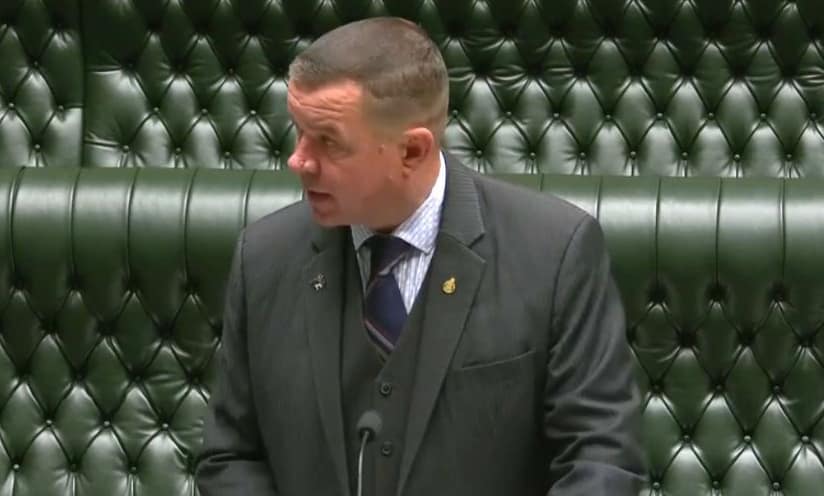
Member for Barwon Roy Butler MP says the fuel supply pressure now being felt across regional New South Wales was foreseeable, avoidable, and made worse by a failure of planning at the federal and state level that he intends to keep pushing back against.
Conflict in the Middle East has sent shockwaves through independent fuel supply chains, and it is communities in the bush that are bearing the brunt. Independent fuel suppliers, who are the primary source of diesel for many regional and remote areas, have been among the hardest hit, creating a supply vulnerability that reaches directly onto farms and into the operations of local industries already working against the odds.
Mr Butler said the situation is particularly galling given that a concrete solution was on the table and rejected. A proposal put to both the NSW and Federal Coalition governments in 2022 and 2023 sought to build large fuel storage facilities positioned near farms and mines across the regions, with the capacity to lift national diesel reserves to 50 days. Both governments knocked it back.
“If that plan had gone ahead, we’d have diesel across the regions today, avoiding supply interruptions and the panic buying we’re seeing,” Mr Butler said.
Australia carries an international obligation to maintain 90 days of fuel reserves, yet the country currently falls well short of that benchmark. The reserves that do exist are concentrated in capital cities, not in the regional and remote communities where supply disruption has the most immediate and damaging consequences. When a war on the other side of the world tightens global supply, it is the bush that runs dry first.
Mr Butler said the Liberal National Party’s handling of fuel security had left regional communities exposed at precisely the wrong moment, with many farmers only now beginning to recover from the economic toll of prolonged drought. Rising fuel costs and unreliable supply are not abstract policy concerns for these communities; they are operational realities that determine whether a season succeeds or fails.
“War in the Middle East is hardly a totally unexpected situation, and so much more could have been done at a federal level to prepare,” he said.
“Instead, the Liberal National Party’s lack of foresight has left the bush at the mercy of dwindling supply and looming price spikes — the last thing farmers need just as many are getting back on their feet after drought.”
Mr Butler said he would continue to advocate for genuine fuel security measures and regional storage infrastructure. “Our communities deserve better planning than this,” he said.
This article appeared on Back Country Bulletin on 14 March 2026.

