

A Menindee resident has raised concerns about water releases from the upper lakes of the Menindee Lakes system, warning they could contribute to ongoing environmental deterioration in the Lower Darling-Baaka River system.
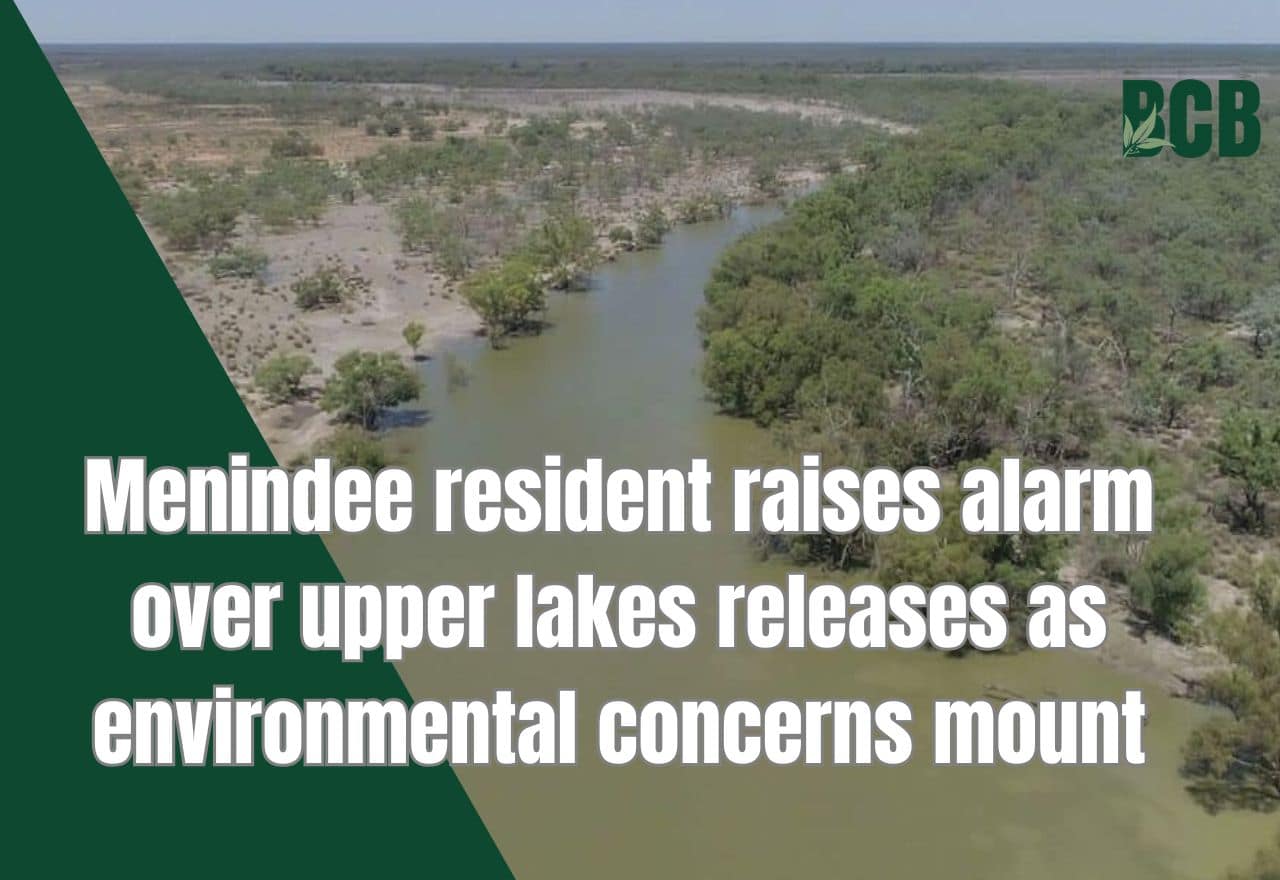
A multi-agency group involving state and federal government agencies is working to guide release decisions at the Menindee Lakes, balancing the need to maintain water quality for aquatic ecosystems, conserve reserves for future community supply and deliver environmental water flows. A spokesperson from the Department of Climate Change, Energy, the Environment and Water confirmed the group was actively managing the system.
The Menindee Lakes system is the primary water source for Broken Hill and surrounding communities as well as a critical asset for the Lower Darling, a river system that has faced sustained pressure from fish kills, algal blooms and competing demands in recent years.
The concerns come as the Bureau of Meteorology forecasts a possible return to El Nino conditions by the end of winter 2026, with some models suggesting development as early as May. A return to El Nino is associated with reduced rainfall, higher evaporation and the potential for a significantly stressed water year in 2026 to 2027. The 2019 to 2020 Menindee Lakes crisis, in which the lakes dried completely and the river suffered a series of mass fish kills, followed a prolonged El Nino period.
Combined storage across the Menindee system was sitting at around 37 per cent earlier this year, with inflows forecast to remain limited in the short term. Water managers have been conserving reserves while continuing to maintain minimum required river flows and environmental water delivery through the Great Darling Anabranch.
Anyone with concerns about water quality or fish deaths in the Menindee system can contact the department’s phoneline on 1800 043 536. Current algal alerts are available at waternsw.com.au/algae.
This article appeared on Back Country Bulletin on 18 May 2026.

