


Grains Research & Development Corporation (GRDC), Media Release, 6 March 2026
Western Australian grain growers are urged to check their paddocks for signs of mouse activity in the lead up to seeding, with reports of high activity in the northern and southern agricultural regions.
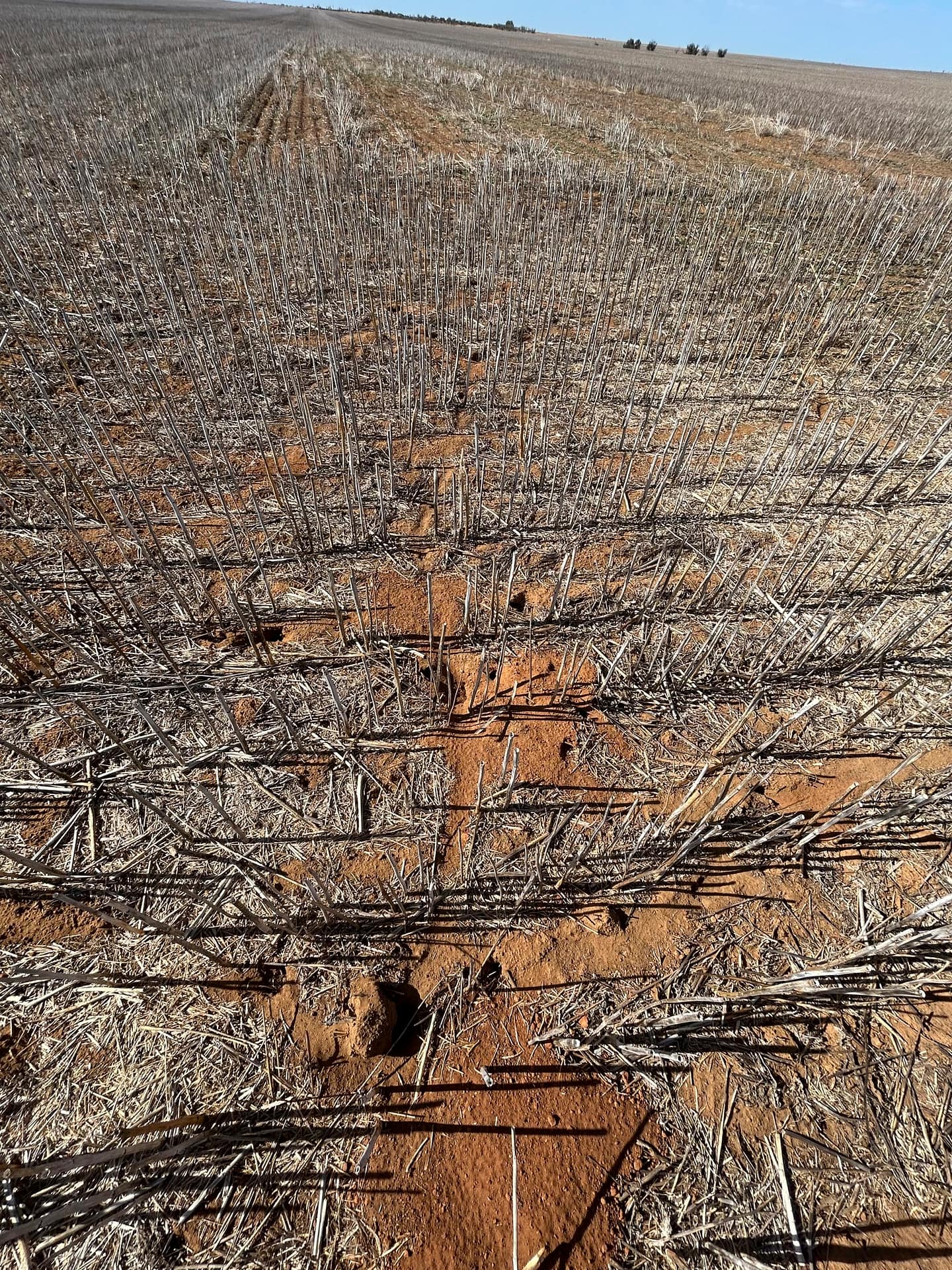
Growers north of Geraldton are reporting numbers as high as 40 mouse burrows per 100 square metres. Two or three burrows per 100 square metres would be cause for concern.
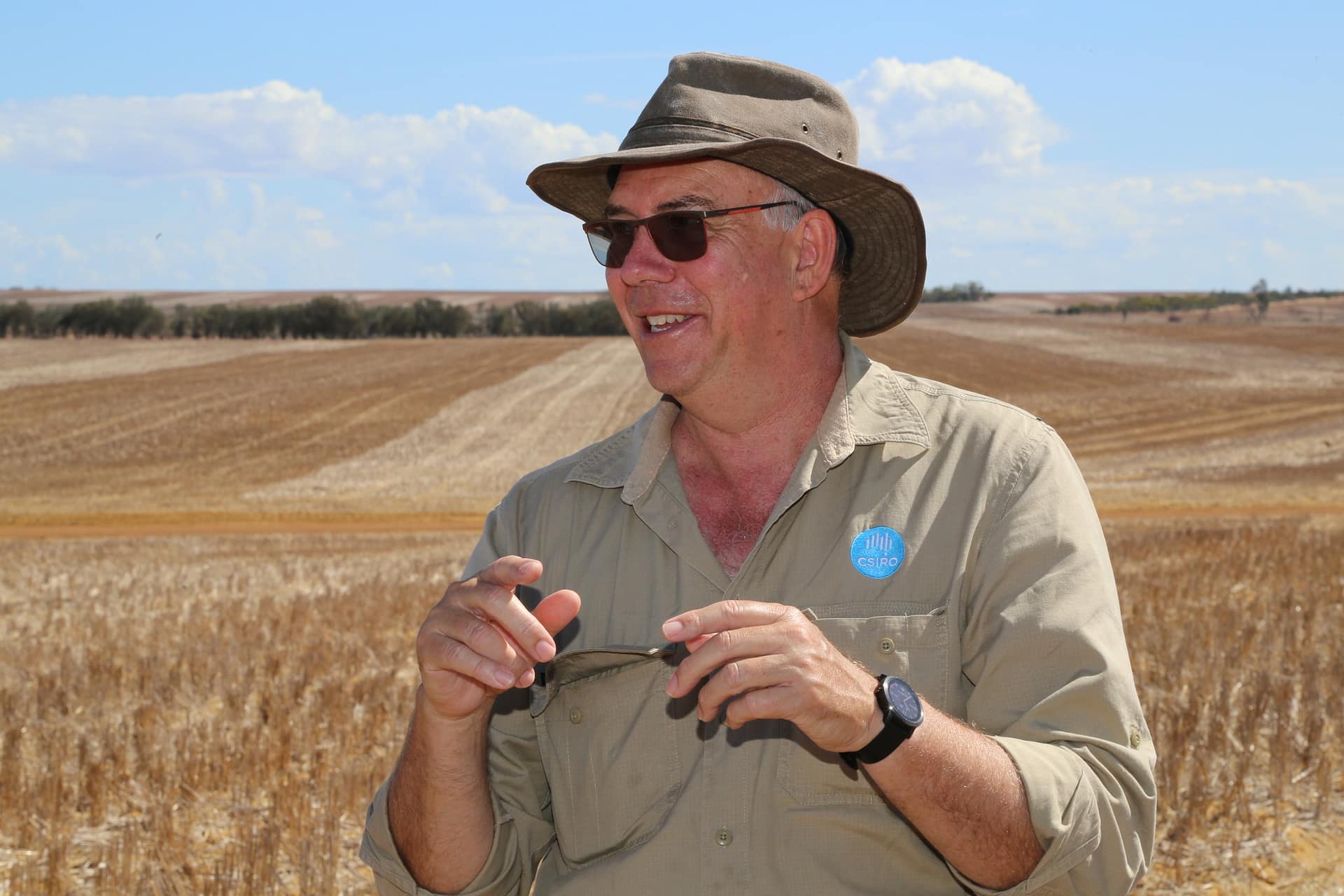
A record 2025 state harvest, including a 27 million tonne grain crop, means there is an abundance of food available in paddocks.
CSIRO rodent expert Steve Henry, who is one of the lead researchers on Grains Research and Development Corporation (GRDC)-supported investment into mouse management, said that conditions are ripe for mouse breeding this time of year.
“Mice start breeding at 6 weeks old and have litters of 6 – 10 pups every 19 – 21 days. Breeding starts in spring and can continue through to late autumn. If conditions are favourable, the rate of increase is dramatic.”
Mr Henry urged growers to monitor their paddocks throughout autumn, taking steps to reduce sources of available food.
“While mouse numbers vary across cropping zones, if present in high numbers they could have devastating impacts on crops being sown in the coming months.”
“It is imperative growers get out of their vehicles, walk into their paddocks and get a good feel for what is going on in respect to current mouse numbers and activity. High stubble loads can hide the signs of mouse activity,” he said.
Elders agronomist and Yuna grower Belinda Eastough believes numbers in the region are building to similar levels seen in 2021 after ex-tropical cyclone Seroja, which resulted in plague numbers by May 2021.
“We’re seeing up to 40 burrows per 100m2 regularly across sandplain and loamy sand soil types, particularly on canola and wheat stubble,” Ms Eastough said.
“The rapid increase is in part due to record yields leading to higher than usual grain loss per hectare, the removal of sheep from the rotation resulting in minimal competition for food sources, and the weather conditions, as mice are now feeding on germinated radish and volunteer canola cotyledons and grain from harvest.”
Growers in north of Geraldton received between 30 – 60 millimetres of rain in early February from ex-tropical cyclone Mitchell.
Ms Eastough said record canola planting and yields were also a contributing factor, with pod shatter in paddocks harvested last leaving canola seed on the ground.
Key management recommendations for growers include:
- Actively gauge mouse numbers by walking through paddocks – use mouse chew cards and active burrow counts to gauge mouse presence and activity. Mouse chew cards can be ordered from GRDC on 1800 11 00 44 or ground-cover-direct@canprint.com.au.
- If mice are present at sowing, bait at or as soon as possible after sowing, to prevent damage to the freshly sown crop.
- Talk to bait suppliers early to ensure timely supply. As with use of any agricultural chemical, use the product in accordance with the label, and report any adverse or off target effects via the APVMA website.
- Growers should be aware that only baits containing 25 g/kg zinc phosphide (ZnP) are currently available as the Emergency Permit for baits containing 50 g/kg ZnP has lapsed, and this is no longer available.
Surveillance data for mouse activity across WA is currently being analysed, with an update from the National Mouse Group expected later in March.
Mr Henry said it was crucial that mouse activity in affected areas is monitored over the coming months to ensure growers and local bait suppliers are prepared for potential outbreaks.
Log your local mouse activity through the MouseAlert website, via X using @MouseAlert or through the FeralScan Pest Mapping app. This data is key for researchers to refine and verify forecast models.
GRDC invests significantly in mouse monitoring and management with CSIRO and is committed to helping growers increase their preparedness for mouse outbreaks and the effectiveness of baiting.
For more information go to the GRDC Mouse Management page.
GRDC and CSIRO rodent expert Steve Henry will hold mouse management workshops in WA during the week of 23 March, with dates and locations yet to be finalised. For more information and to register visit the GRDC events page.
About us: GRDC is one of 15 Rural Research and Development Corporations (RDCs) responsible for planning, investing in and overseeing research, development and extension (RD&E) for 27 leviable grain crops. Our purpose is to invest in RD&E to create enduring profitability for Australian grain growers.

