


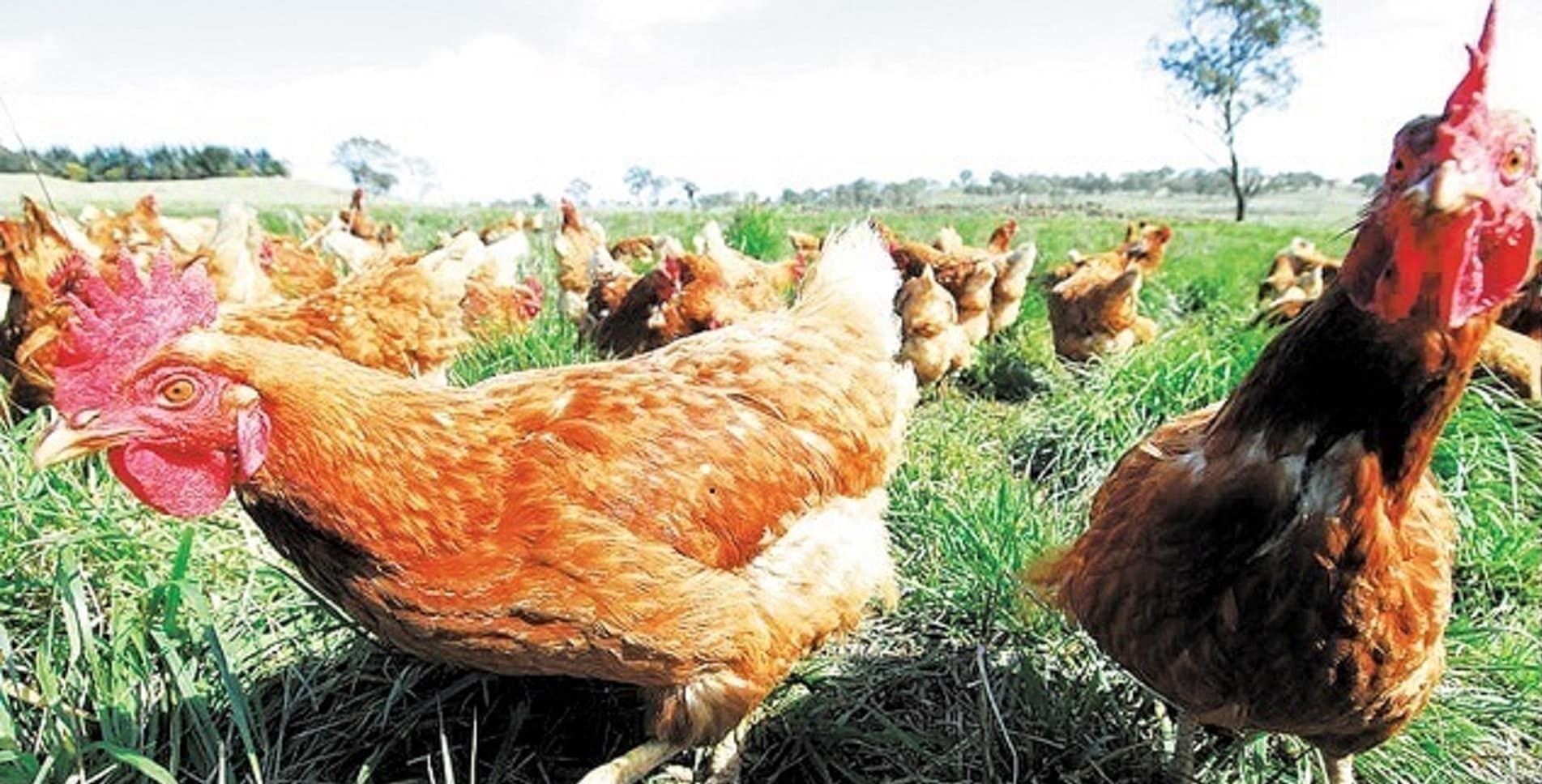
Keeping hens dates back many thousands of years since the eggs (and meat) of jungle fowl were first enjoyed by humans. Ever since then, the sound of chooks wandering around the yard or the paddock has been an enjoyable part of life for countless people in many civilisations. Today, keeping hens in the backyard or in small commercial flocks can still be rewarding. Fresh eggs laid each day are delicious, nutritious and reduce the family grocery budget. In the case of a commercial flock they also provide an income.
Always remember that you can give away as many surplus eggs as your hens lay but if you want to sell them you must comply with various regulations in each State, such as having a food safety program registered with your local council and you must use new cartons with labels which meet national labelling laws. As well as providing food, keeping hens also gives you the best fertiliser for your veggie garden.
Academic researchers often produce theories and reports designed to demonstrate what ‘free range’ means in the egg industry. Celebrity chefs usually confine themselves to mistaken comments that bright yolk colour defines whether or not an egg is free range. Yolk colour varies, depending on the hen’s diet. If the yolk colour is always a bright, golden almost orange colour, the hens have almost certainly been fed colouring additives.
Academic findings are usually based on carefully arranged criteria set by an organisation which funded the research and expects specific outcomes. In my opinion, it’s far better to rely on the experience of those in the industry actually running free range egg farms.
Some people are fixated on the issue of animal welfare and they lose sight of matters like food safety and land sustainability. Outdoor stocking density is a key example. Academics have found it easy to come up with results from research on small scale or short term projects to demonstrate that stocking densities had little or no impact on hen welfare. But it has been impossible for them to demonstrate that high densities have no detrimental impact on pasture quality, pollution of waterways, groundwater and the long term productivity of the land as a result of excessive nutrient loads. The maximum sustainable stocking density for poultry was established at 1500 hens per hectare to minimise land degradation and ensure the long-term viability of the land.
Laying hens, like most if not all other animals, perform best when they are able to follow their natural behaviour. They clearly need shelter, food and water but they also need to wander around freely to forage, scratch, dust bathe and interact socially with others in the flock.
There is growing evidence that eggs from hens raised on pasture have nutritional benefits over the factory farm versions.*
* See: “Are Real Free Range Eggs Better?” by Chery Long and Tabitha Alterman, Mother Earth News.

