

A Chickenpox alert has been issued for the Northern Rivers region after several cases of the viral infection, which can reappear as Shingles, were detected at local hospitals.
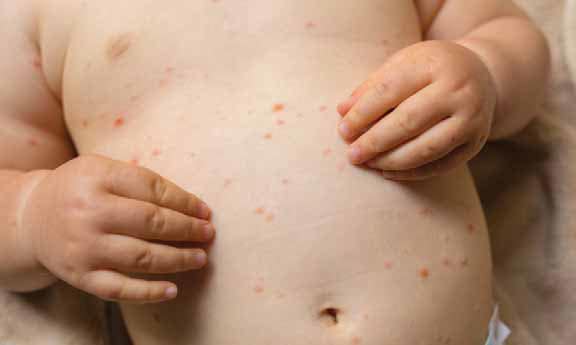
Chickenpox is a viral illness caused by the herpes zoster virus, and it was very common until routine vaccination began in November 2005.
In children Chickenpox usually causes a relatively mild illness but it may reappear later in life as Shingles.
In adults and immunosuppressed people Chickenpox can be severe, and infection in pregnancy can cause foetal malformations, skin scarring, and other problems in the baby.
Dr Valerie Delpech, Regional Director, North Coast Population and Public Health told the CV Independent the Northern NSW Local Health District NNSWLHD is aware of a recent increase in cases of Chickenpox across the district, particularly among school-aged children.
“Chickenpox is not a notifiable disease in NSW, however NNSWLHD monitors cases through emergency department ED visits,” Dr Delpech said.
“Murwillumbah District Hospital ED has seen a recent increase in presentations related to Chickenpox.”
Parents, schools, and childcare providers are being reminded to be on the lookout for symptoms and to follow public health guidelines to prevent any further spread of the illness.
“Chickenpox can be a mild illness, but some people may have more severe symptoms and may develop complications such as bacterial infection, pneumonia or inflammation of the brain,” Dr Delpech said.
“The risk of serious illness is highest for pregnant women, newborn babies, adults and people with weakened immune systems.
“Symptoms usually begin with a slight fever, runny nose, and feeling unwell, followed by an itchy rash that progresses from red spots to blisters and then scabs over several days.
“The infection spreads through coughing, sneezing or direct contact with fluid from the blisters.
“People are infectious from one or two days before the rash appears and remain so for up to five days after when the blisters have formed scabs.”
To help prevent the spread of infection, Dr Delpech said to keep children with symptoms at home until all blisters have dried and at least five days after the rash first appears.
“Practise good hygiene, cover coughs and sneezes, wash hands regularly, and avoid sharing personal items,” Dr Delpech said.
Dr Delpech said vaccination is the most effective way to prevent Chickenpox.
“All children are recommended to receive the first dose of varicella vaccine at 18 months, delivered as part of the MMRV (measles, mumps, rubella, varicella) vaccine under the National Immunisation Program,” she said.

“A second dose is recommended for greater protection.
“Non-immune adolescents and adults should also receive two doses, especially if they are healthcare workers, planning pregnancy, or are in contact with immunosuppressed individuals.”
Parents, carers and community members are encouraged to speak with their GP or healthcare provider to ensure vaccination is up to date.
For more information scan the QR code:

This article appeared in the Clarence Valley Independent, 20 August 2025.

