A Clarence Valley amateur beekeeper says she is devastated after having to destroy her hive of more than 6000 bees on the weekend that was ravaged by a Varroa Mite infestation ad has warned others to be on the lookout.
The most serious pest of honeybees worldwide, the NSW Department of Primary Industries DPI said Varroa Mite, which infects honeybees in every major beekeeping area of the world, was detected in NSW in June 2022.
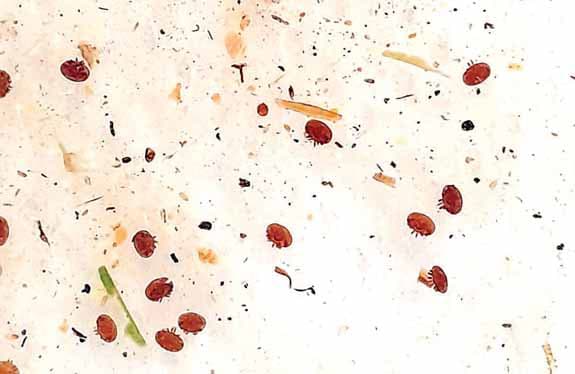
If left untreated, the varroa mite will kill any beehive it infects, and all feral and untreated bee colonies will eventually die.
Brushgrove beekeeper Glad Smith said when she took up the hobby 5 years ago, she joined the Mid North Coast Beekeeping Association.
“Through the Association I have gotten to know what to do and how to manage bees,” she said.
“I went to a big Varroa conference about Varroa Destructor that came to NSW 3 years ago, so I knew what to look for.
“We were told by the DPI it was in Grafton before Christmas.”
Every month, Mrs Smith said beekeepers should thoroughly check their hives for Varroa Mite and do an alcohol wash of about 300 bees to determine any level of infestation.
“On May 22nd I did about 300 bees and there was nothing…then we went away for 3 weeks and when I came back and checked my bees and I had 38 mites out of 300 bees,” she said.
“That’s above the DPI threshold, in winter it’s 5, and in summer its 9.
“It was well above the threshold, I was shocked.
“We all know it’s going to happen, but I didn’t expect it to happen so soon.”
Every month when you do an alcohol wash, Mrs Smith said beekeepers have to advise the DPI if it was negative or positive.
“My detection is about the furthest north in NSW so far, but I got an email yesterday from the DPI to say there’s been another outbreak on the Sunshine Coast,” she said.
Mrs Smith said she killed off her hive on Saturday to protect other bees in the area, and she called 2 local beekeepers to advise them she had found Varroa Mite.
In just a week she said the number of Varroa Mites in the hive had grown massively.
“It had exploded…I was so shocked at the increase in the number of mites within a week,” she said.
“I got my tweezers out and got out a lot of larvae, and about 2 in 10 of the larvae had a mite on it.
“So, I killed my bees off on Saturday, because across the road in a tree is a feral bee colony, European bees that have gone feral that have swarmed and formed a colony.
“If I treated my hive with multicide strips, it doesn’t kill off all the mites, but it will keep the numbers down, and a bee will travel up to 3 kilometres, the bees would have just kept contaminating that area.
“It was devastating to kill off my bees, I’m still getting over it.”
Mrs Smith warned other beekeepers in the Clarence Valley to vigilantly check their hives for Varroa Mite.
For more information on Varroa Mite visit https://www.dpi.nsw.gov.au/biosecurity/seasonal-pests-and-diseases/spring/varroa-mite.

This article appeared in the Clarence Valley Independent, 16 July 2025.