


Peter van Vliet, CEO, Migration Institute of Australia (MIA)
This opinion piece is based on a speech Peter van Vliet made to the Regional Development Australia ORANA conference at the Dubbo Zoo on 18 June 2025.
Australia runs a reasonably large migration program by international standards but getting migrants out of the big cities - particularly Melbourne and Sydney – and into the regions has always been a challenge.
Around 31.5 per cent of Australians are now born overseas which makes us one of the top migration nations in the world. But if you look at the geographical dispersal of migrants this is where it gets more interesting. Migrants have tended to flock to our big cities and particularly Sydney, Melbourne and now Perth. For instance, around 38 per cent of Sydney people are born overseas compared to just 12 per cent of people being born overseas in regional NSW.
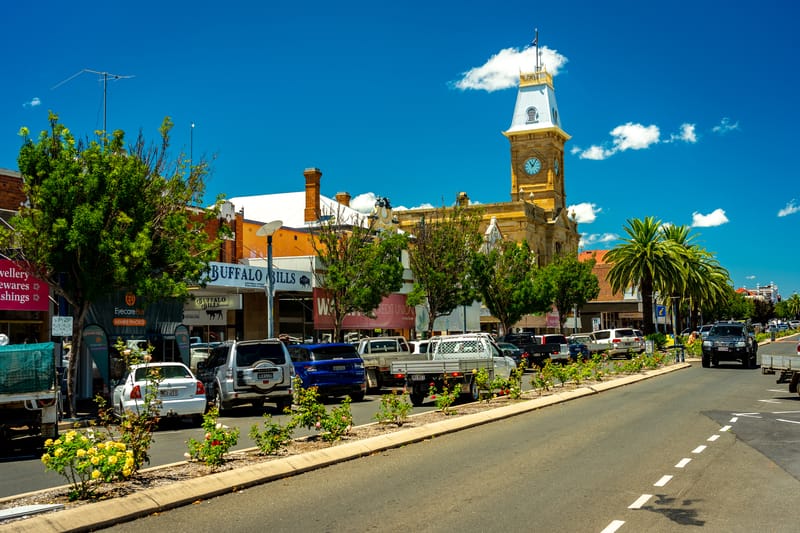
Jobs and Skills Australia data shows that vacancy fill rates are considerably lower in regional Australia than in metropolitan regions and many regional employers will tell you they cannot find the workers they need to grow their businesses.
There are specific skilled regional visas where concessions are granted if you are willing to live and work in regional Australia. These concessions might enable you to attain permanent residence if you meet certain criteria. There is also the work and holiday visa which encourages around 150,000 such visa holders to work in regional Australia to extend their stay in Australia.
The Federal Government has indicated they wish to reduce net overseas migration to more manageable levels of around 250,000 (it’s currently 340,000 but went over 500,000 a few years ago post-COVID).
The question in the context of a government seeking to gradually reduce and stabilise our migration levels – is how we do this without further disadvantaging regional Australia who have skills and labour shortages and need migrants right now.
At the moment there are a variety of regional specific skilled migration programs regional employers can use. These visas are usually fairly complex and can involve meeting various skilled, sponsorship, English language, position nomination and sometimes age criteria.
There are also Designated Area Migration Agreements known as a DAMAs which are formal arrangements between the Australian Government and specific regional areas to address local labour shortages. Finally there are labour agreements for certain industries which again may offer more concessions in areas like skill levels, English language levels or access to permanency. However, many of these mechanisms are plagued by red-tape, long processing delays and exorbitant fees acting as a barrier, particularly for smaller businesses.
The Federal Government put out a regional migration discussion paper in June 2024 and sought feedback to improve how migration supports regional development, addresses local needs and minimises worker exploitation.
It’s time for the Government to respond to this review to implement policies which will induce people into regional Australia. We need a simplified system for employers to sponsor skilled migrants and nominate positions while maintaining worker safeguards and protecting opportunities and equity for local workers.
Recent academic research by Laukova, Bernard, and Sigler from the University of Queensland (2025) noted the current policies and retention rates are challenging particularly in regional and remote areas. In more remote areas around half of all migrants may make their way back to cities or regional centres. Interestingly the research showed that middle aged migrants with children were more likely to stay in regional and remote areas which is contrary to many of the criteria of many skilled visas which favour younger applicants often under 45.
The policy challenge for policy makers and regional communities alike is how do we reduce the huge economic magnet of big cities and encourage migrants to work and stay in regional Australia.
The suite of regional visas should be made more beneficial and attractive than the enhanced mainstream 482 skilled vias to attract migrants to regional areas; the Government should reduce the restrictive and burdensome Skilling Australia Fund (SAF) levy and make the level payable in instalments; and the Government should make DAMAs cover regional Australia comprehensively noting some regions such as Tasmania, the ACT and coastal NSW do not have DAMAs in place.
Australia’s regions need strengthened incentives and concessions to encourage migrants to settle in regional areas, fill regional labour shortages, and in turn strengthen our regions and ease population pressures on our big cities. It’s time for action.

