


National Asbestos Awareness Week: 25 November – 1 December 2024
Jodie Deakes, Chief Executive Officer, Asbestos and Silica Safety and Eradication Agency (ASSEA), Media Release, 18 November 2024
The Asbestos and Silica Safety and Eradication Agency (ASSEA) is calling on Australians to understand the growing dangers of ageing and deteriorating asbestos, particularly as the summer season approaches, and home renovation projects kick off.
Despite a complete asbestos ban more than 20 years ago, an estimated one in three homes across Australia still contain asbestos.
“If your home was built before 1990, there’s a high likelihood it contains asbestos,” said Jodie Deakes, ASSEA’s Chief Executive Officer. “Asbestos was used in over 3,000 building products, and it can show up inside and outside, in floors, walls, ceilings, eaves, pipes and roofs.”
These asbestos-containing materials are now between 30 to 100 years old and are deteriorating, including the matrix to which the asbestos was bonded. The older they become, the more likely they are to release harmful asbestos fibres.
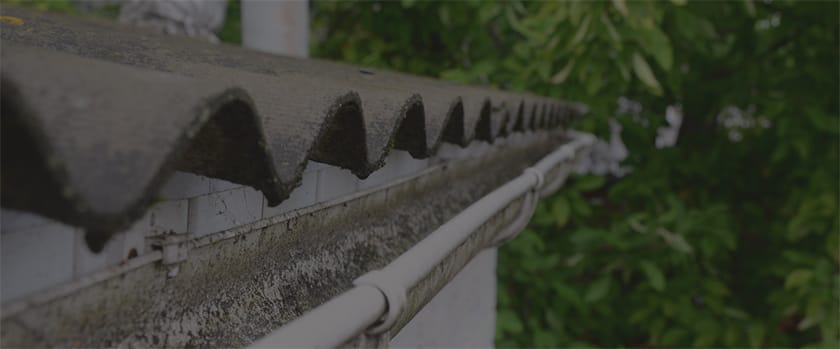
“Asbestos cement roofs are particularly concerning, as they are in the poorest condition, having been directly exposed to years of sun, wind, rain and hail. Heavy rains can wash fibres into guttering, contaminating surrounding areas,” said Ms Deakes. “In contrast, asbestos eaves may be in better condition as they’re more protected, but they are not risk-free, especially when damaged or disturbed.”
With the rise in renovations, and simple additions like home security installations, homeowners could unwittingly put themselves at risk by drilling into asbestos eaves to install security cameras, CCTV systems, and sensor lights. These actions can release asbestos fibres which, when inhaled, can lead to serious health issues, including mesothelioma and lung cancer.
“If you are thinking about doing any home renovations, before you start any work ensure that you get professionals in. There isn’t a hole big enough in Australia to bury all of the asbestos in it,” said Barry Robson from the Asbestos Diseases Foundation of Australia Inc.
Tragically, around 4,000 Australians die each year from asbestos-related diseases.
“Our message this National Asbestos Awareness Week is for homeowners to engage asbestos professionals to test for asbestos before starting any renovation or DIY project. By knowing where asbestos is in your home, you will be able to take the right steps to protect yourself and your family from exposure and plan to safely remove it,” said Ms Deakes.
This National Asbestos Awareness Week, ASSEA urges all Australians to respect the risks, know the facts and seek expert guidance before tackling a project in a home that may contain asbestos. For more information, please visit www.asbestossafety.gov.au.
Background”¯”¯
The Asbestos and Silica Safety and Eradication Agency was established in 2013 to oversee national actions to improve asbestos awareness and the effective and safe management, removal and disposal of asbestos. The Agency’s key function is to work with state and territory governments to implement the Asbestos National Strategic Plan which provides a long-term, phased approach to eliminating asbestos-related diseases in Australia.
The Phase Three Asbestos National Strategic Plan 2024-2030 has recently been endorsed by all governments – it is focussed on actions that will increase the rate of asbestos removal safely. With approximately 6 million tonnes of ageing asbestos material that still remains in our built environment, there is a more urgent need to focus on safe, proactive removal and disposal.”¯
Information on the age of asbestos-containing materials is available from the Victorian Asbestos Eradication Agency: https://www.vaea.vic.gov.au/asbestos-product-lifespan.

