Bev McGuinness, Denmark Bulletin
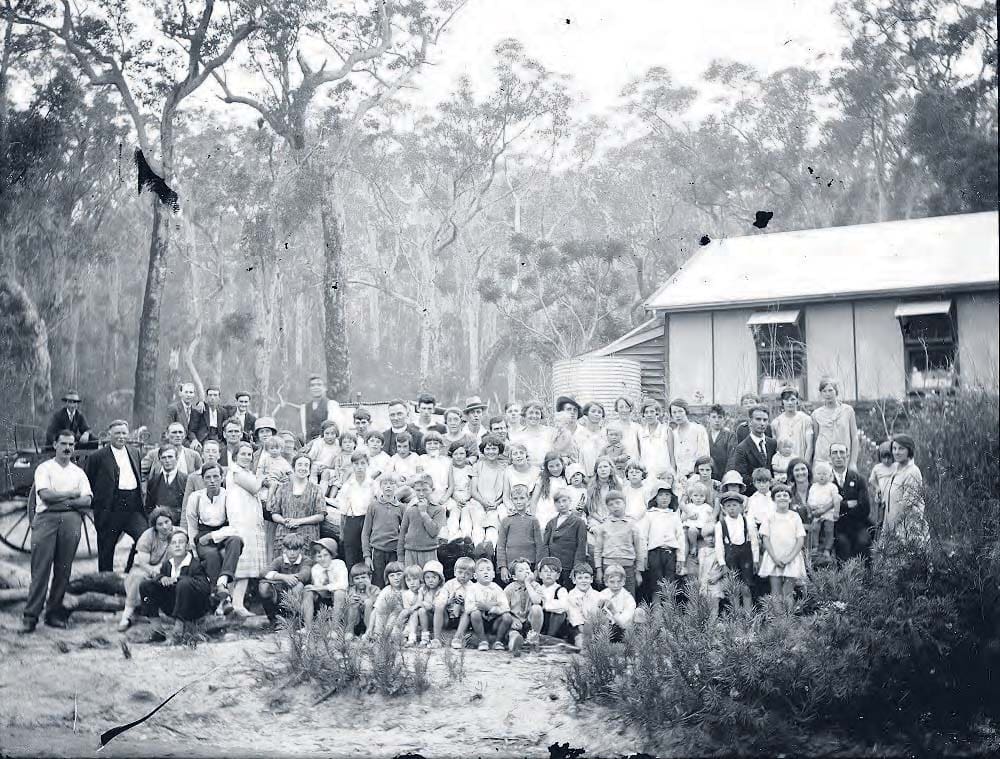
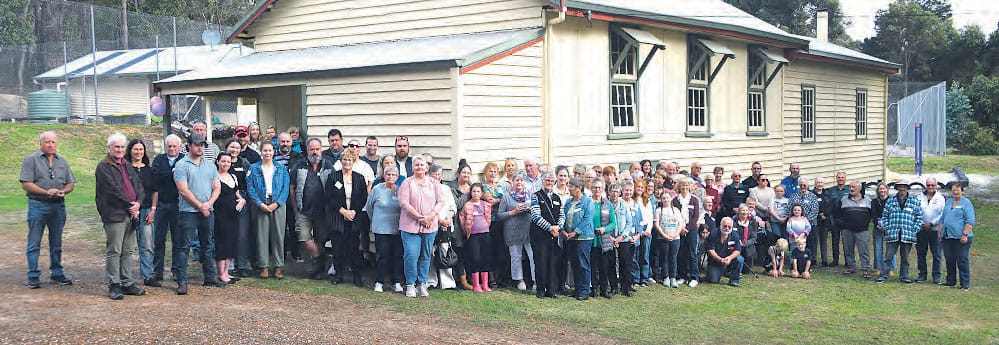
Three centenaries were celebrated this month marking Denmark’s Group Settlements, a scheme established to bring English families to WA to farm.
Apart from opening up land to agriculture, Group Settlements aimed to increase the population.
WA Premier Sir James Mitchell initiated the scheme of which there were 15 Groups in Denmark, spread between the present town and the Valley of the Giants, west of Bow Bridge.
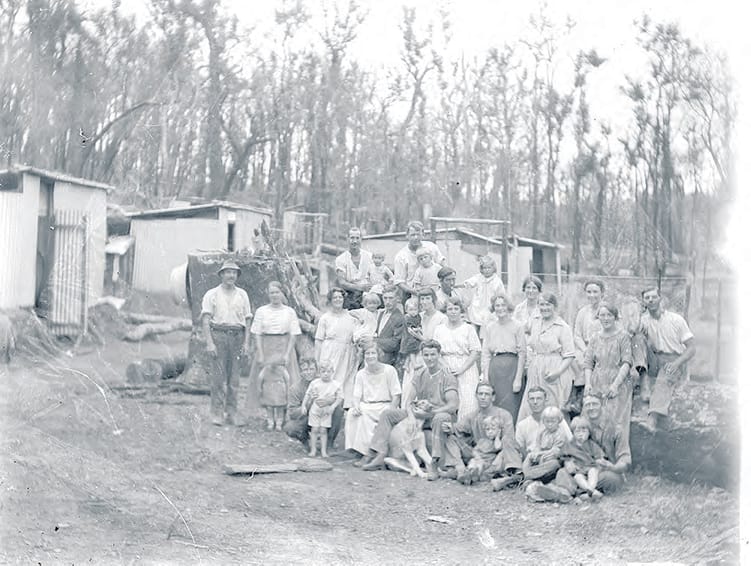
The first was established in 1921 and potential farmers were promised that they would own their house and 100 acres (40.5ha) have 10 cows and other animals and the debt would only be 100 pounds which could be repaid over 30 years.
When the families arrived in Denmark, mainly from Devon and Cornwall, they were taken to their land by horse and cart to live in tin huts with a dirt floor and no windows. They had outside toilets, cooked on an open fire and used creeks for all their water needs.
There was no such thing as power.
The only stipulation was they were all families with at least three children.
Imagine what it was like with tall trees, thick bush and living in a shed after a home in England.
All the groups in Denmark were known by their number, and later by name.
Kentdale, Tingledale and Parryville settlers arrived in May 1924.
Some of families arrived in 1925 and others in 1928; some took one look and left .
It is believed that those who survived were men who had served in World War I and received a pension from the British Army.
Other settlers came later bringing the well known local names of today.
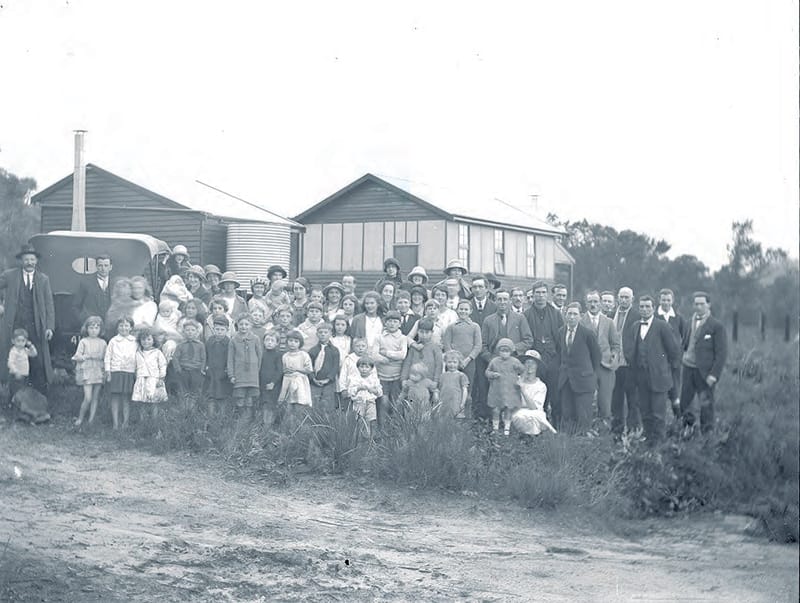
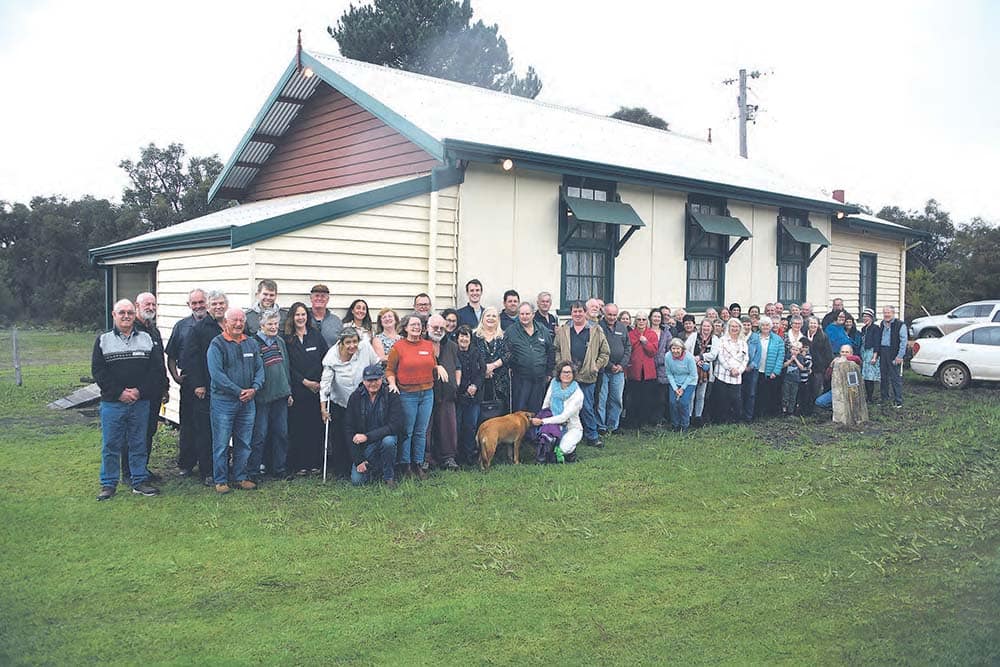
Transport to a group was a major problem because each group only had one horse.
Group members were expected to clear 25 acres (10ha) on each block and build a house and then a ballot was held to see who got the blocks.
The men then still had to work on all the other blocks helping to clear and build.
They survived the 1937 fire, a raging bushfire fanned by gale force winds which swept through the Denmark district and westwards through forest and farmland.
And they had to deal with the Denmark wasting disease which was the result of thousands of years of high rainfall. This had leached essential trace elements from the soils causing emaciation, poor appetite, anaemia and decreased milk production in cattle.
In 1926 work begun on building a rail line, however the groups were still miles from the settlement.
Eventually, the railway was better than having to cart everything into town by horse on dirt tracks as there were no roads constructed at the time.
The school building, usually opened the following year to settlement, was the community lifeline.
The building was not only used for a school but for church services and social gatherings.
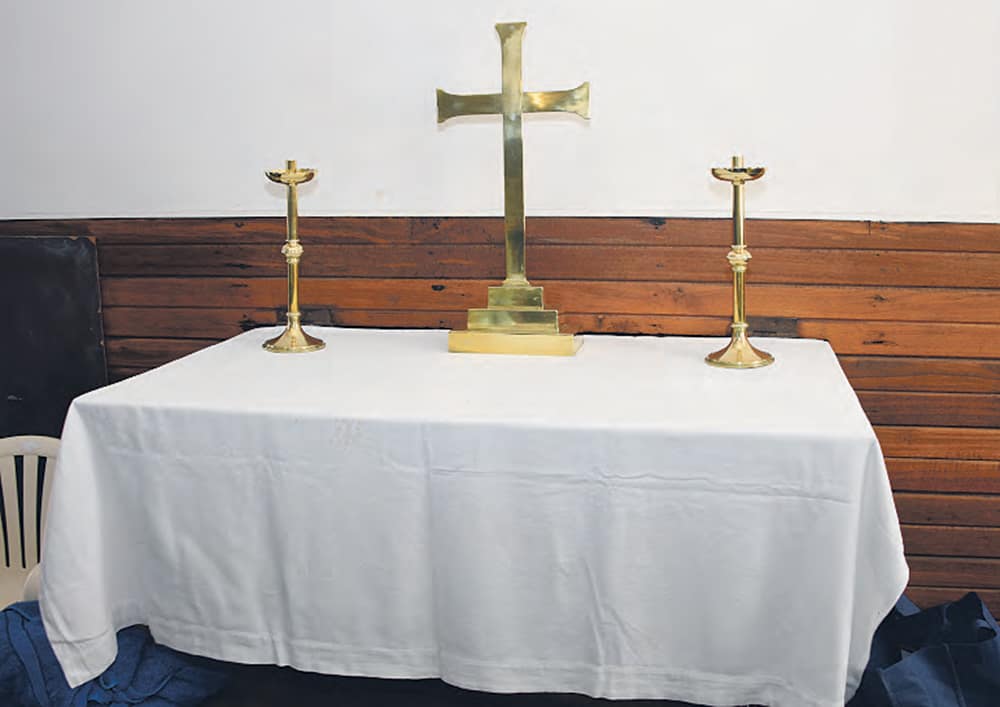
Unlike other school building the Parry’s group had an altar used for the church services.
The current minister, The Reverend Sally Buckley, loaned the artefacts for the centenary celebration that used to be brought out for the church services.
Many of the descendants had no idea the altar still existed.
The settlers, and many descendants who attended the reunions, were amazing people.
Everyone should be proud of what they achieved for their community.
Descendants came from all over Australia to attend the reunions along with current landholders.
All were enthusiastic about the history.
This article appeared in the Denmark Bulletin, 27 June 2024.