


Monash University, Media Release, 20 March 2026
Following today’s announcement by the Albanese Government on strengthening Australia’s fuel sovereignty, a Monash expert, Professor Bhattacharya, says advancing domestic refining and feedstock technologies is critical to improving long-term fuel security.
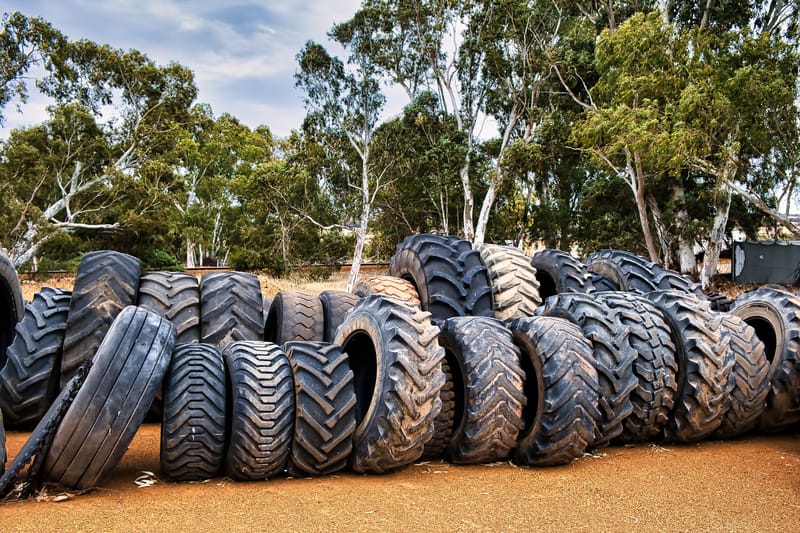
Monash engineers have developed a pyrolysis technology that converts end-of-life tyres and plastics into high-value liquid hydrocarbons, creating a new, circular source of refinery-ready feedstocks. The work is among the most advanced in Australia and has the potential to directly support domestic refining while reducing waste from mining sources and landfill needs.
The technology is progressing toward commercialisation, with strong potential to scale into a fully integrated supply chain – from waste processing through to sustainable fuel production and advanced manufacturing.
This could contribute to Australia’s emissions reduction aspirations by keeping tyres and plastics out of landfill and turning them into materials that would otherwise come from new fossil fuels.
Comments attributable to Professor Bhattacharya:
“The technology is already demonstrating strong momentum toward commercialisation. At the lab scale, we are processing end-of-life tyres and plastics at around 10 kilograms per hour, and the process has been patented and licensed to an industry partner preparing a large demonstration pyrolysis plant in Australia.
“At commercial scale, this could translate to facilities processing around 60 tonnes per day, producing diesel-like liquids, solid carbon and chemical monomers.
“The liquid outputs could be supplied to domestic fuel refiners, while the solid carbon and monomers can support circular tyre manufacturing, plastics production and other industrial materials.
“This would represent Australia’s first end-to-end tyre recycling and pyrolysis supply chain, linking waste directly into refinery-compatible fuels and manufacturing inputs.
“From a refining perspective, it provides a practical and scalable way to diversify feedstocks, reduce reliance on imports, and strengthen Australia’s fuel security.”

