


Regional Capitals Australia (RCA), Media Release, 18 March 2026
A new national report has revealed many regional airports across Australia are operating at a financial loss, with local councils increasingly forced to subsidise infrastructure that regional communities rely on every day.
The Regional Airports Financial Sustainability Survey, commissioned by Regional Capitals Australia (RCA) and the Australian Airports Association and prepared by ACIL Allen, provides the most comprehensive snapshot to date of the financial pressures facing regional airports.
The survey of regional airports found more than half are operating at a loss, with a median annual deficit of $192,000.
RCA Chair and Mayor of Dubbo Regional Council, Cr Josh Black, said the findings highlight the growing burden being placed on regional councils and communities to keep essential aviation infrastructure operating.
“Regional airports are vital infrastructure supporting the liveability, economic development and resilience of communities across Australia,” Cr Black said.
“Yet their financial sustainability is dependent on local councils and local ratepayers.
“This report highlights the vital role regional airports play in supporting health, emergency and national security services beyond passenger travel, Cr Black said.
Additional findings from the report include:
- $50 million was invested in airport capital works across in the 2024-25 FY however almost 60 per cent of airports surveyed reported they had deferred critical infrastructure upgrades due to funding constraints;
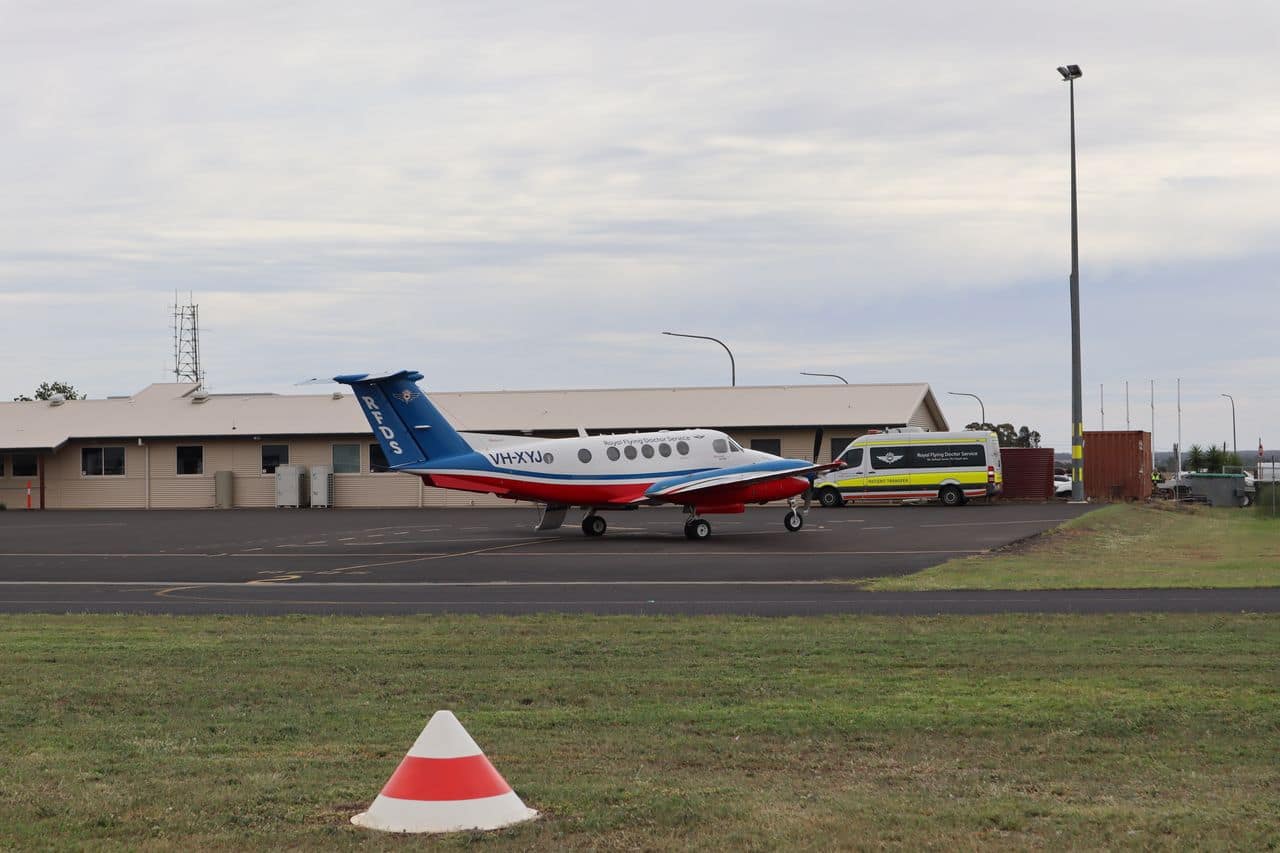
- 9 out of 10 airports support critical health operations such as the Royal Flying Doctor Service; and
- Important services delivered by State and Federal Governments were delivered across participating airports:
- 83 per cent support emergency services activities
- 71 per cent support disaster response operations
- 61 per cent support search and rescue missions
- 44 per cent support defence-related activities.
“The lack of funding to invest to maintain and upgrade airports is really challenging, we have seen examples of airstrips failing over the past 12 months, leaving communities stranded without services,” Cr Black said.
“These airports are far more than passenger terminals, they are critical infrastructure that support health care, disaster response and national resilience,” Cr Black said.
The report will form part of Regional Capitals Australia’s engagement with the Productivity Commission’s inquiry into the current state of regional aviation and the drivers of regional airfares.
While the report focuses on airport sustainability rather than airfare pricing, it highlights the broader pressures facing regional aviation.
“On some regional routes, passengers are paying on average 52 per cent more per kilometer than those traveling on metropolitan routes,” Cr Black said.
“This means regional communities are being hit twice — once through their hip pocket with higher airfares, and again through their rates helping fund the national infrastructure that supports health services, disaster response, defence operations and vital regional connectivity.
“This is something people living in metropolitan areas do not have to fork out for and it highlights the growing inequality in our aviation network,” Cr Black concluded.
Regional Capitals Australia will use the report’s findings to support recommendations to the Productivity Commission and the Australian Government, including:
- recognise regional airports as critical national infrastructure and invest accordingly;
- establish recurrent federal funding for capital costs of regional airports; and
- resolve inequitable aviation security requirements that impose disproportionate costs on smaller regional airports.

