


Scenic Rim Regional Council, Media Release, 17 April 2026
Scenic Rim Regional Council is appealing to Tamborine Mountain residents to stop feeding and interacting with wild dogs, which are becoming a problem to the local community.
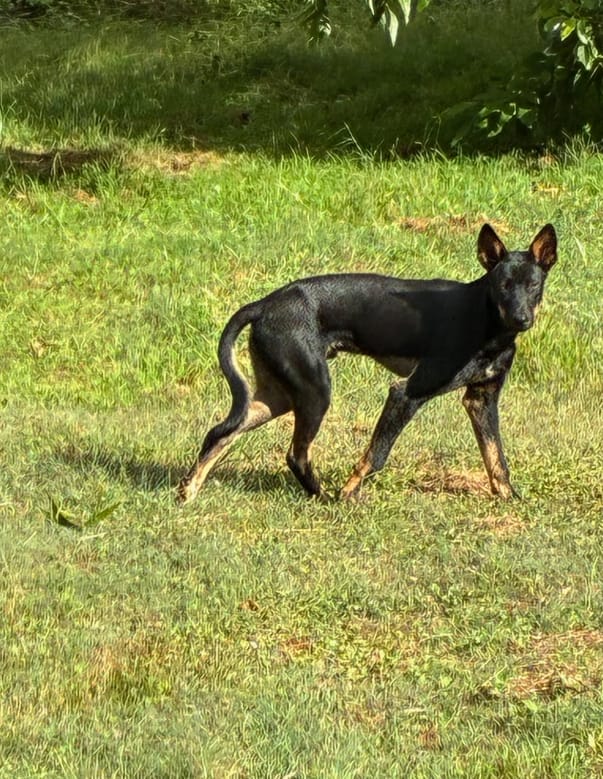
As well as being illegal under the Biosecurity Act 2014 (Qld), feeding wild dogs and encouraging them into community spaces poses a threat to residents, their pets and other wildlife by increasing the risk of attacks.
Division 1 Councillor Amanda Hay, who is also Scenic Rim’s Parks and Biodiversity Portfolio Councillor, said Council is assisting Tamborine Mountain residents to monitor and capture a wild dog that has become too bold.
“Please don’t feed or interact with wild dogs, even if they appear to be friendly or hungry, and report sightings of wild dogs to Council so they can be monitored and managed humanely,” she said.
“Wild dogs which are being fed lose their natural fear of humans, becoming aggressive and a danger to visitors and residents.”
Despite the abundance of ideal natural habitat, wild dog sightings are becoming common in residential areas on Tamborine Mountain.
“These animals are not domesticated and roam and hunt on our urban fringes, but can become a problem to the community through the misguided actions of those who harbour or feed them,” Cr Hay said.
“Over time, wild animals that are fed by humans become dependent on handouts to survive and also face an increased risk of being struck by vehicles as they venture further into urban areas.
“Feeding wild dogs also increases the risk of the spread of diseases and parasites to pets, livestock and the community.”
Landowners are responsible for managing the impacts of wild dogs on their land and there are hefty penalties under the Biosecurity Act 2014 for those who move, keep or feed wild dogs.
Wild dogs, which include dingoes, hybrid dingoes and domestic dogs that have escaped or been abandoned, become more active in autumn during mating season.
“Wild dogs are part of the mountain ecosystem and would not be a problem if well-meaning but misguided individuals left them to their natural self-sufficient state,” Cr Hay said.

