

Timber Towns Victoria (TTV), Media Release, 10 March 2026
The world’s first glue laminated timber made from Australian Blue Gum (Eucalyptus globulus), processed in Warrnambool, Victoria, has been unveiled at Mount Gambier’s new Forestry Centre of Excellence, marking a major breakthrough for plantation forestry and the communities that depend on it. The GL24 glulam is developed by Victorian based WTIBeam in partnership with Australian Bluegum Plantations and OneFortyOne.
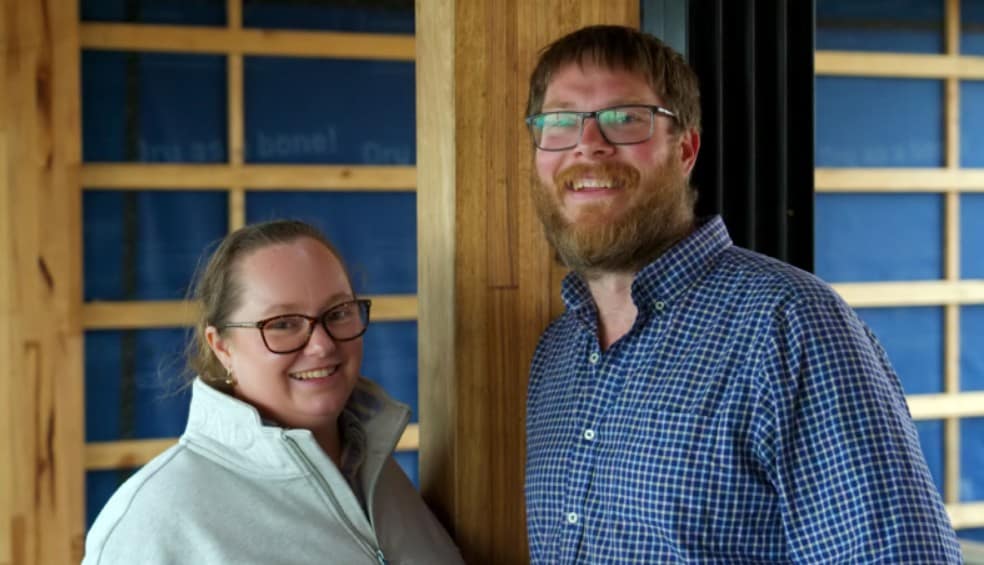
“This is exactly the kind of innovation our timber towns need,” according to Cr Karen Stephens, president of Timber Towns Victoria and Mayor of Glenelg Shire Council. “Instead of being chipped or pulped and shipped overseas, blue gum from our plantations can now be turned into high value structural products right here in regional Australia. It means more jobs, more investment and a stronger future for the communities that grow and manage the plantation estate.”
The new product represents a major shift in how plantation hardwoods are valued. Blue gum has traditionally been regarded as a pulp and woodchip species, with more than 80 per cent of Australia’s blue gum harvest destined for export as low value fibre. The GL24 glulam, made from glued and finger-jointed laminates, is a high strength structural timber capable of replacing native hardwoods restricted under forest harvesting bans, and of supplementing steel and concrete in residential and commercial construction.
According to Edwina Vulcz, owner of WTIBeam, the glulam signals a new way of valuing blue gum: “We’re excited to see our new product come to life in the home of plantation forestry in Mt Gambier. Blue gum makes incredible glulam when manufactured the right way, and the high strength grades like GL24 can support builders to achieve longer spans, reducing material use and construction costs.”
Tony Wright, CEO of the Green Triangle Forest Industries Hub, said the product proves what industry and research can achieve when they work together: “It’s really pleasing to see our research deliver a real world application, proving that plantation grown blue gum can deliver high performance structural products at scale. The next step is translating this research into commercial manufacturing via the recently announced AFWI funded Precinct feasibility study in Portland, which will explore the creation of other new products using traditionally exported fibre, including softwood.”
From Splinters to Structures:
The research behind the breakthrough
The blue gum glulam is an output of the DAFF funded Splinters to Structures project, a three year research and commercialisation program led by the Green Triangle Forest Industries Hub in partnership with Forest & Wood Products Australia and the Australian Forest Products Association. The project proved that lower grade blue gum and radiata pine can be turned into higher value engineered wood products, opening the door for the ambitious Precinct project, a factory model that could address Australia’s housing crisis.
With more than 75 per cent of timber used in Australian housing now imported from overseas, the product has the potential to reduce the nation’s reliance on imported structural timbers. Australia currently imports engineered wood products valued at more than $400 million a year at the wharf, rising to nearly $800 million once installed.
What this means for Victoria’s Timber Towns
Cr Stephens said the innovation reinforces the case for continued investment in Victoria’s plantation estate and the communities that sustain it. “The Green Triangle is one of Australia’s most productive plantation regions, and our communities have always understood the value of the resource. What this blue gum glulam shows is that, with the right research and partnerships, plantation timber can deliver products that compete with steel and concrete, and keep jobs and investment in regional Australia where they belong.
“Timber Towns Victoria calls on the Victorian Government to recognise the potential this innovation holds for our communities and to ensure Victoria is part of the next phase of commercialisation, particularly through the Precinct feasibility study in Portland.”