


Western Queensland Alliance of Councils (WQAC), Media Release, 19 November 2025
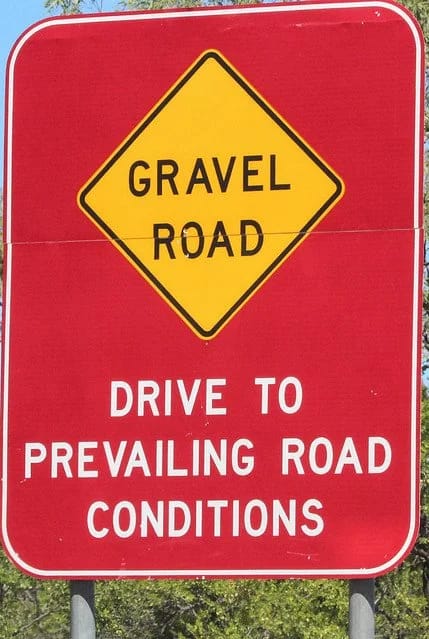
The Western Queensland Alliance of Councils (WQAC) has called on the Australian Government to reject proposals to reduce the default speed limit on unsigned roads outside of built-up areas, warning that such a change would impose unnecessary costs, undermine regional productivity and fail to address the real causes of road trauma in rural and remote Queensland.
WQAC – representing 25 councils across 63 percent of the State serviced by 12,604km of State-controlled roads and 45,849km of Council-controlled roads – has formally opposed the proposed reduction from 100km in its submission to the Consultation Regulatory Impact Analysis (CRIA).
WQAC argues that the proposal is based on limited data, does not reflect the unique road conditions of Western Queensland, and risks diverting national attention away from the urgent need for long-term investment in rural road upgrades and maintenance.
Regional leaders reject blanket approach
Cr Barry Hughes, Chair of the North West Queensland Regional Organisation of Councils and Mayor of Etheridge Shire Council, said Western Queensland communities rely on long-distance travel and efficient freight movement, and any blanket reduction would disproportionately impact remote residents, businesses, and industry.
“The CRIA acknowledges significant gaps in the data on unsigned rural roads,” Cr Hughes said. “Imposing a one-size-fits-all default limit – without understanding local conditions, crash causes or travel patterns – is not evidence-based policy. Rural Queensland needs targeted road safety investment, not arbitrary regulation.”
Cr Tony Rayner, Chair of RAPAD and Mayor of Longreach Regional Council, said the proposal overlooks the lived realities of remote road use.
“In the Central West, reducing the default speed limit would slow down freight, increase fatigue, and impose avoidable costs on livestock transport, tourism and service industries,” Cr Rayner said. “The Government should focus on data-driven solutions – like targeted infrastructure upgrades, better road shoulders, and region-specific safety programs – not a simplistic blanket reduction that won’t deliver the outcomes we need.”
Cr Samantha O’Toole, Chair of the South West Queensland Regional Organisation of Councils and Mayor of Balonne Shire Council, also raised substantive concerns regarding the proposal.
“Lowering the default limit risks creating unsafe speed differentials on roads where conditions already support safe travel at current speeds.
“The idea that a lower default limit will automatically reduce fatalities ignores how people actually use rural roads,” Cr O’Toole said. “Increased travel time contributes to fatigue, one of the leading causes of crashes in our region. Real road safety outcomes stem from proactive funding models, better infrastructure and better data – not from reducing speed limits in isolation.”
Call for evidence-based, locally informed policy
WQAC’s submission highlights that road trauma in Western Queensland is driven by multiple factors beyond speed, including driver fatigue, alcohol and drug impairment, road design limitations, wildlife strikes, lack of run-off protection and the impacts of remoteness on emergency response times.
WQAC is urging the Australian Government to instead:
- Maintain the current default 100km/h limit on unsigned rural roads.
- Support councils in Western Queensland to undertake comprehensive local speed-limit reviews using Queensland’s rigorous framework including the State Government’s Guide to Speed Management and Speed Control devices.
- Identify and analyse crash causes on unsigned roads across remote Queensland.
- Establish a dedicated national road safety funding program to support rural and remote councils undertake speed-limit reviews and install signage where appropriate.
Greg Hoffman PSM, Executive Officer of WQAC said rural and remote councils are best placed to determine appropriate speed limits based on local conditions, crash history and engineering assessments.
“Queensland already has a robust methodology in place to set and review speed limits,” he said. “Road owners, not remote regulators, must lead this work. A national blanket rule ignores local expertise, local data and local risk.”

