

As the Murray-Darling Basin Authority (MDBA) and the Commonwealth Environmental Water Holder (CEWH) continue to change the rules in their favour, irrigation communities are proposing a dramatic change that aims to benefit food producers and Australia’s largest irrigator, the Commonwealth Environmental Water Holder.
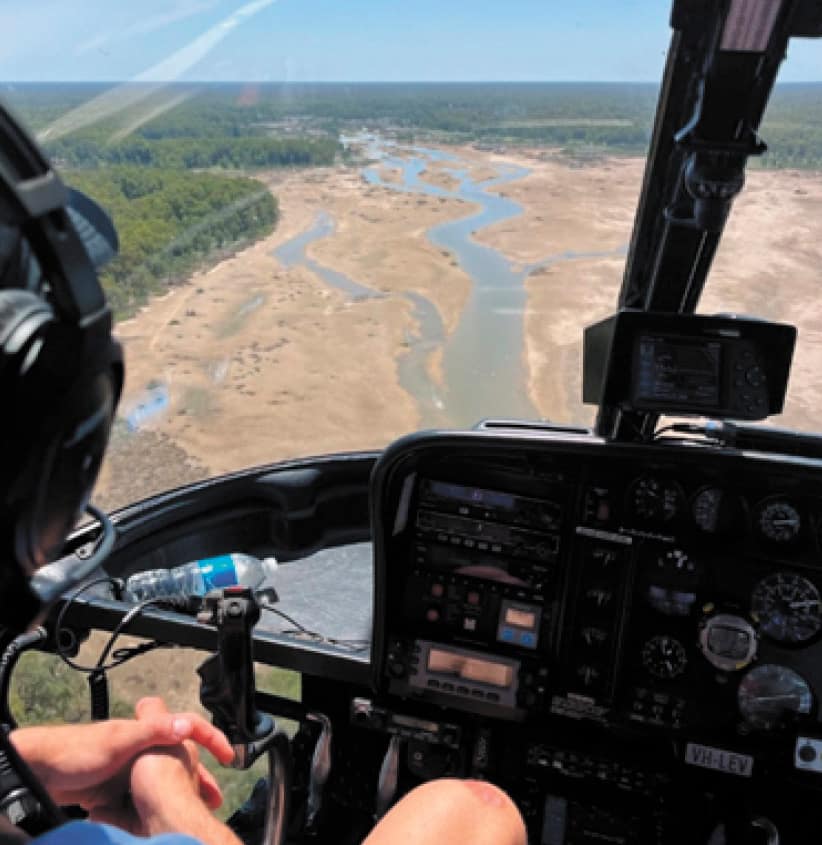
With environmental irrigators already owning 4,886,864 megalitres, or 41 per cent of the water available for productive use in the system, the recent announcement of a shepherding trial by the MDBA and CEWH has other water users rightly concerned. The act of shepherding water is considered a change in licence characteristics by many, confirming fears that the government bureaucracy would make its own rules when it had enough power. With a God complex fully entrenched, the proposal to shepherd water would allow the CEWH to track their water through the Menindee Lake system all the way to South Australia, rather than the inflows to Menindee being a shared resource to NSW and Victoria as the current rules are; a condition all other water holders abide by.
To battle the bureaucracy playing God, while enjoying the comfort of suckling at the taxpayer teat, irrigation communities have opened a discussion of swapping the 1,721GL of long-term average annual inflows into Menindee Lakes which become the property of NSW and Victoria (less Lower Darling commitments) with 696GL of ‘loss and dilution flows’, which NSW and Victoria are required to provide to South Australia (58GL monthly) under the MDB Agreement.
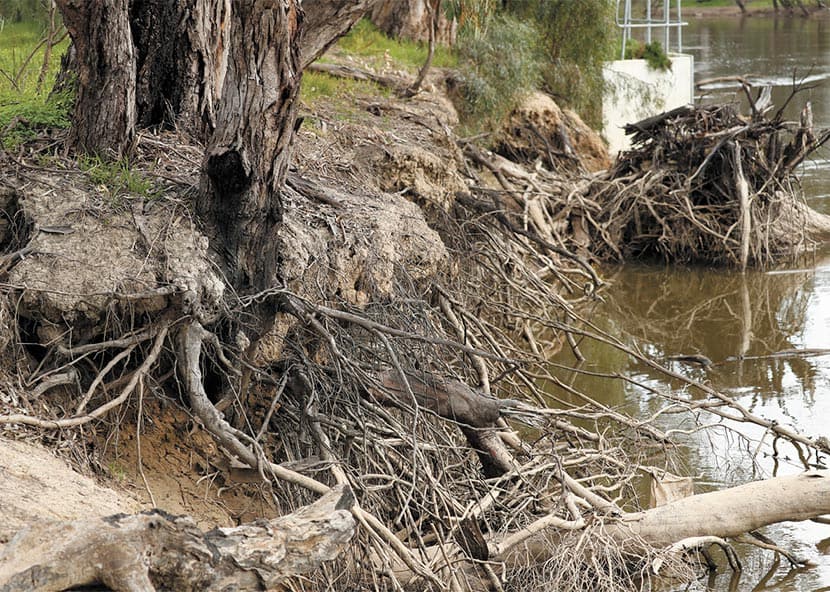
Under the scenario, not delivering 696GL from the Murray storages to South Australia eases pressure on the constraints and significantly reduces operational/conveyance losses. Under current operation, the Living Murray Icon site number 6, the river itself, has been effectively hydraulically land cleared through government policy. Pushing the highest return per megalitre with no caveats and illogical end-of-system targets, the Murray, along with the Goulburn and Edward rivers, have all experienced significant declines in bank stability, increased turbidity and the loss of critical habitat; soon to be made worse with proposed constraints relaxation projects.
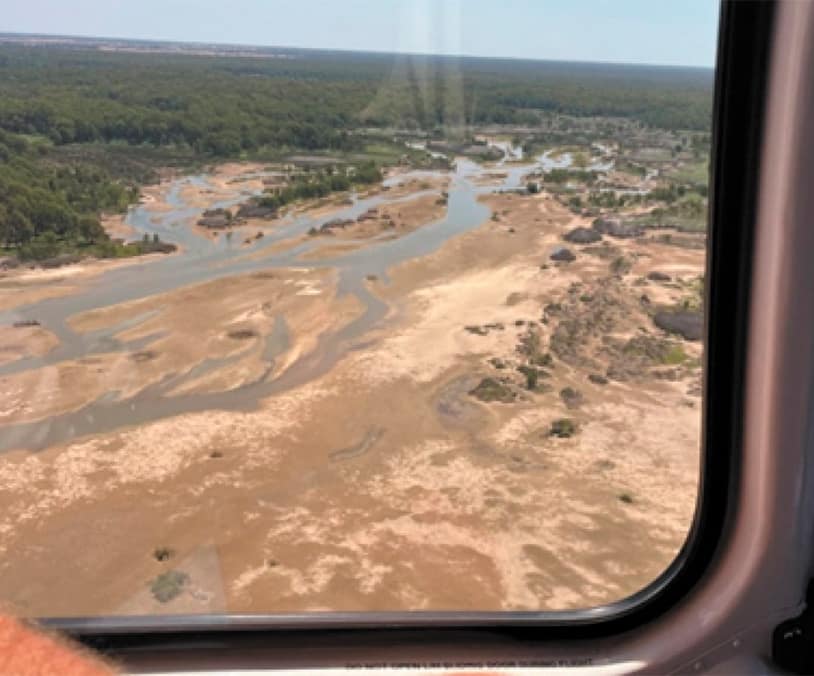
For producer and environmental irrigators, it means more water is available at the beginning of the season to Victoria and NSW Murray, however, it also means less water is available in wet years as the Menindee Lakes are offline. For producers and communities on the Darling, it means better management of the Lakes, meaning less cease to pump events and a likely reduction in the requirement for buybacks.
The biggest beneficiary of this compromise is the CEWH, which controls the majority of water in the Basin, particularly in the southern Basin, this compromise gives them even more water, and greater flexibility with how to manage it.
A second sweetener to the Menindee Compromise is to investigate the potential to increase storage capacity at the Menindee Lakes by raising the banks of some lakes by 1 metre or so. This could increase the amount of water that can be re-regulated for use management by the local community, First Nations or the environment by approximately 260GL. A precedent for such works has already been set in Lake Victoria.
Many are eager to see retrospective modelling on allocations to understand the potential changes with the compromise in place. The real challenge may be getting all the states to agree as it would require changes to the Murray-Darling Basin Agreement.
Will a commonsense solution win out in a political plan? I wait in anticipation.

This article appeared in The Koondrook and Barham Bridge Newspaper, 1 August 2024.

