

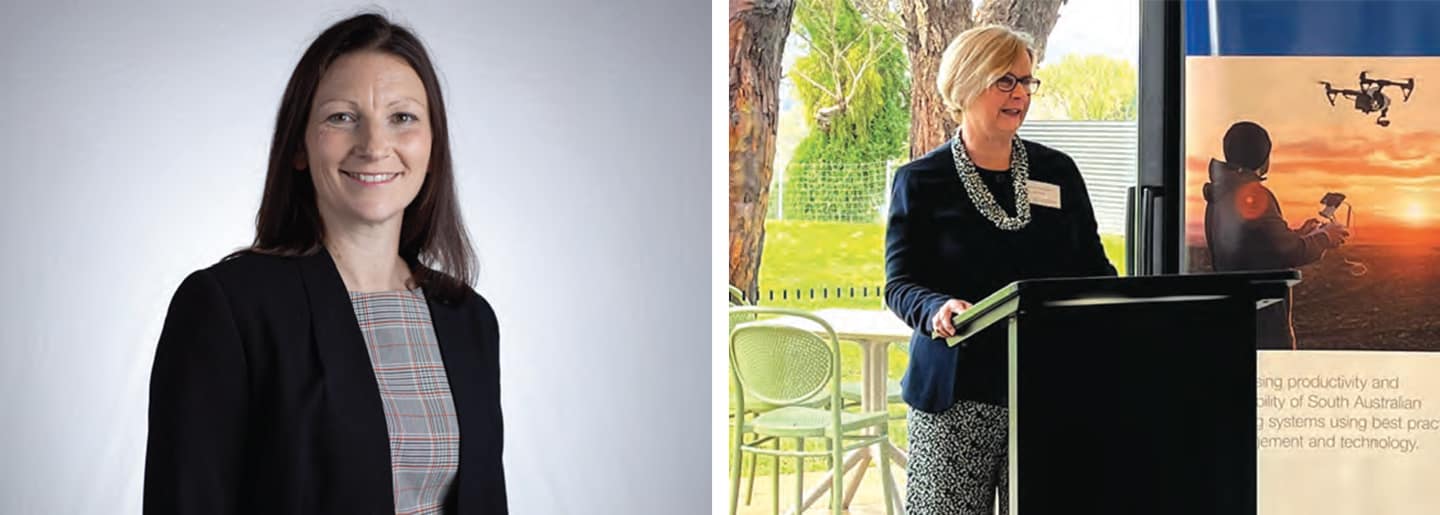
Hugh Schuitemaker, Murray Pioneer
A Senior Riverland politician says the State Government needs increased preparation against potential bird flu outbreaks in South Australia.
Riverland-based MLC, and opposition spokesperson for regional South Australia, Nicola Centofanti has claimed documents obtained through a Freedom of Information request revealed “no official correspondence” between Minister for Primary Industries and Regional Development Clare Scriven and the state’s chief veterinary officer (CVO) regarding the threat of H7 HPAI bird flu between May and July.
“Where is Minister Scriven getting advice from, if not the CVO?” Dr Centofanti said.
“I am astonished there are not substantial records between the Minister and her senior decision maker on this hugely important topic.
“It is little wonder I am hearing growing concern from South Australian poultry farmers.
“How can it be that when our poultry farmers are most in need of leadership and guidance, it appears not to even be on the radar of those supposedly responsible? Our farmers deserve better.”
However, Ms Scriven said,
“It unfortunately comes as no surprise to see Nicola Centofanti once again trying to create fear and uncertainty among our South Australian producers.
“There are currently no avian flu detections here in South Australia. However, the risk is high and the State Government has done significant work in preparedness and communication with industry.
“If an outbreak occurred, the immediate response would include the implementation of disease control zones, quarantine, and movement controls, the destruction and disposal of infected and exposed animals, decontamination of infected premises, vehicles, equipment, and animal products and surveillance of susceptible animals.”
Ms Scriven said the State Government was “working hard to be prepared should an incursion occur”.
“Protecting our agricultural industries through rapid response to any biosecurity incidents is of paramount importance to the State Government,” Ms Scriven said.
“We are committed to ensuring that all is in place to protect our $922m poultry industry, to ensure the health and welfare of our flocks. South Australia currently remains free of HPAI, and we would like to keep it that way.
“We remind anyone who owns birds, whether they are commercial flocks or backyard chooks to have their biosecurity plans in place to protect their poultry from disease.”
A State Government statement on the matter said preparedness activities included:
- Ensuring adequate supplies of response equipment including chemicals and PPE.
- Enhancing the state’s diagnostic capability for responses including the purchase of a mobile laboratory.
- The purchase of emergency response units including equipment for quarantine, sampling, and decontamination.
- Operational planning for key response activities such as destruction, disposal, and decontamination.
- Training for response readiness to support all areas of Emergency Animal Disease (EAD) response.
- The development of epidemiology skills necessary for an EAD response such as Avian Influenza including surveillance, tracing, and risk assessment.
- Development of an operational response policy and plan in case of a detection of HPAI in wild birds.
Dr Centofanti said stricter control measures were required to protect South Australia from outbreaks.
“Preparation must be made for measures such as voluntary and temporary ‘housing orders’ to protect free-ranging flocks from the increased risk of infection from wild birds,” she said.
“There must be work done in conjunction with the ACCC to secure appropriate exemptions for producers.
“These are two simple and effective examples of preparations that should be underway now yet South Australia seems to have no preparedness plans in motion, nor any record of there ever intending to be so.” National biosecurity manuals outlining farm hygiene and biosecurity practices can be viewed by visiting the website (www.farmbiosecurity.com.au).
Producers or bird owners who notice any signs of disease in their backyard or commercial poultry flocks must immediately contact either your local veterinarian or the Emergency Animal Disease hotline on 1800 675 888.
This article appeared in the Murray Pioneer, 31 July 2024.

