

John Williams, Treasures of Nhill & District Facebook page, Nhill Free Press & Kaniva Times
Being a Nhill townie, getting to and from High School was a quick bike ride for most of us.
Some put boiling water in the handlebars for the chilly Winter ride to the cattle pit gates.
The girls never sat on their bike seats and rode the distance standing on the peddles”¦.something to do with modesty.
A few took the George Merrett blue and silver town bus, either the GMC or Chevrolet.
And then for the country kids a longer journey in school buses that still provide an important part in the education of kids living outside of towns, particularly on farms.
But in the 1950s and 60s, one would have thought travelling in a slow, clunky old Bedford school bus to and from Nhill and Kaniva would have been an ordeal, freezing in winter and roasting in summer.
Not so!
Kaniva students from the Consolidated School received their secondary education at Nhill High School from the late 1940s until 1963, as did many kids from small outlying communities, including Netherby, Lorquon, Winiam, and Yanac. In fact, half the students at Nhill High in this era were out-of-towners.
The longest bus commute was from Kaniva”¦and a bit longer for Lillimur kids.
In 1948 a second Kaniva bus route was introduced alleviating the need for Lillimur students to get to Nhill via Kaniva and Miram.
Route one was Lillimur to Nhill, down the Western Highway and route two was Kaniva to Nhill via Miram.
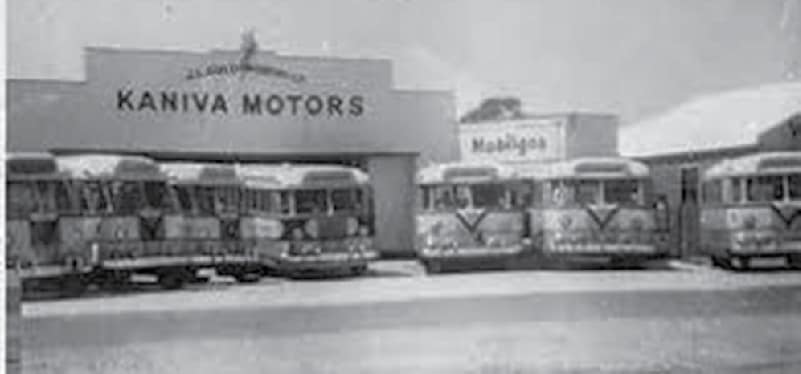
The Kaniva School Bus service was no small affair and was run out of Kaniva Motors owned by Norm Austin and Jack and Sandy Goldsworthy.
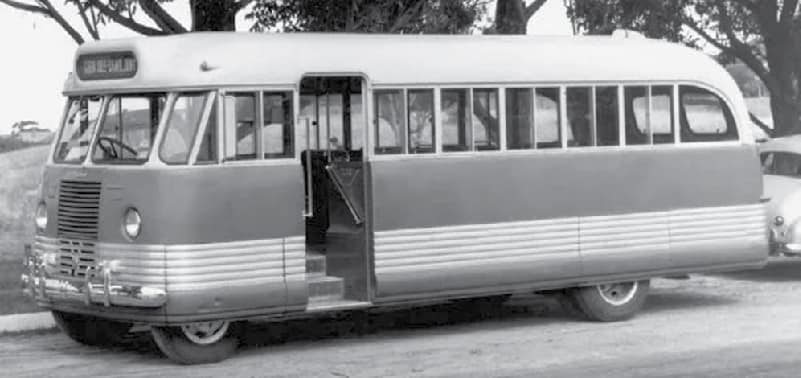
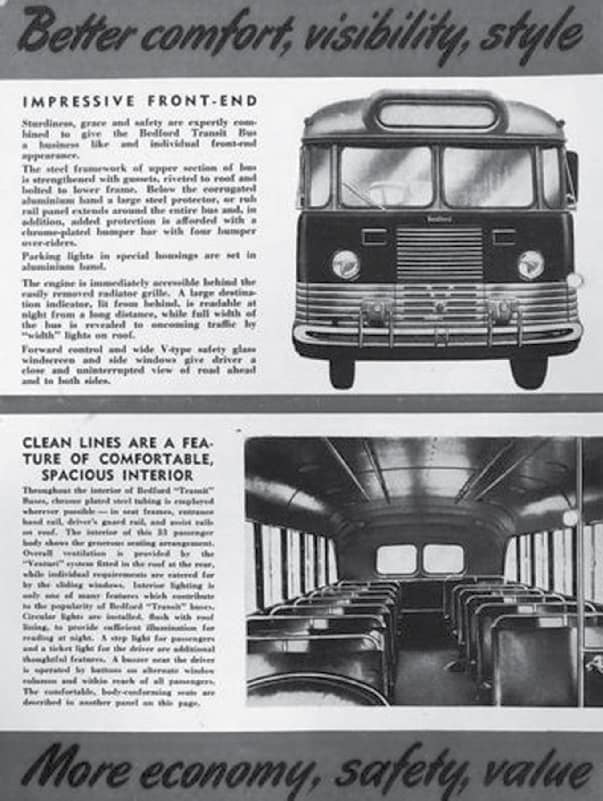
They ran 10 “pugnose” Bedford buses built by the Commonwealth Aircraft Corporation CAC and GMH from 1947 to 1952.
The buses were touted as being “streamlined” but in reality, they struggled to climb the Lawloit Ranges with low gear crunched in the crash gearbox to reach the top as they struggled to carry up to 48 kids with some three to a seat.
When they reached the crest of the hill, the underpowered engine was turned off and they coasted down the other side in an illegal “streamlined” run to the bottom. In 70 years the company had an excellent safety record.
The bus drivers either loved or hated the Bedford”¦.sometimes both at the same time. The bus was an odd mix of 1930s British chassis design with modern Australian body style influenced by American styling trends but it rattled, the gears grated, the differential whined and the brakes squealed producing what might have seemed to be a bus ride from hell but was in fact to many a most enjoyable social event.
Some farm kids walked the long driveway to the road while others rode their bikes or had the use of an old “bomb” to drive to the gate to await the school bus and if they were lucky enough had an old galvanised tank cut out as a rudimentary shelter.
For those travelling to Nhill there was a sort of pecking order for the years 9 to 12 students as they boarded the Bedford.
The Kaniva town kids were able to grab the best seats up the back and those picked up along the way ended up in seats just behind the driver.
The bench seat up the back was usually taken up by older boys who tried to impress the girls with belching and farting competitions.
The girls, nearer the front, ignored them and were goody-two-shoes sitting with their friends reciting times tables or testing their spelling and copying another’s homework.
They also passed the time discussing the latest TV programs lucky enough to be seen by just a few kids whose families could afford a TV.
Amidst the mucking up by the boys there was a “designated responsible student” whose job it was to act as a “Bus Monitor”.
Basically, the task was to mark a roll and to make sure the same number of kids would be on the bus for the return journey.
Despite what we might today view as a hardship, it appears to have been a memorable time for passengers of the Kaniva School Bus Service as many life-long friendships, even romances, were formed.
The Kaniva-Nhill school bus was a “lifesaver” for farmers and their wives along the route. A blind eye was turned as it became an unofficial delivery service in the early years for urgently needed farm machinery parts, medicines and fresh bread.
Sounds like they were really “the good old days”.
The Bus Service was later operated by Steve and Annie Austin for 33 years before being sold to Wimmera Roadways in 2023.
(Ninety Serviceton kids had to travel 32 miles to Kaniva Consolidated School when their school was closed in 1950)
School Bus Driver Rules: “Rule one: keep the kids safe,” “Rule two: keep the kids safe. Rule three: refer to rules one and two.”
This article appeared in the Nhill Free Press & Kaniva Times, 29 May 2024.

