

Rising costs intensifying pressure across the sector and putting farmer livelihoods at risk
Norco, Media Release, 20 April 2026
Norco, Australia’s oldest and last operating 100 per cent farmer-owned dairy co-operative, has announced a five cent per litre increase to its farmgate milk price from May 2026, while calling on the wider industry to step up and better support farmers as soaring input costs intensify pressure across the sector.
This lifts Norco’s average annual farmgate milk price to 97 cents per litre, delivering an additional $1 million into farmers’ pockets each month – a necessary step to help offset soaring input costs driven by ongoing global pressures.
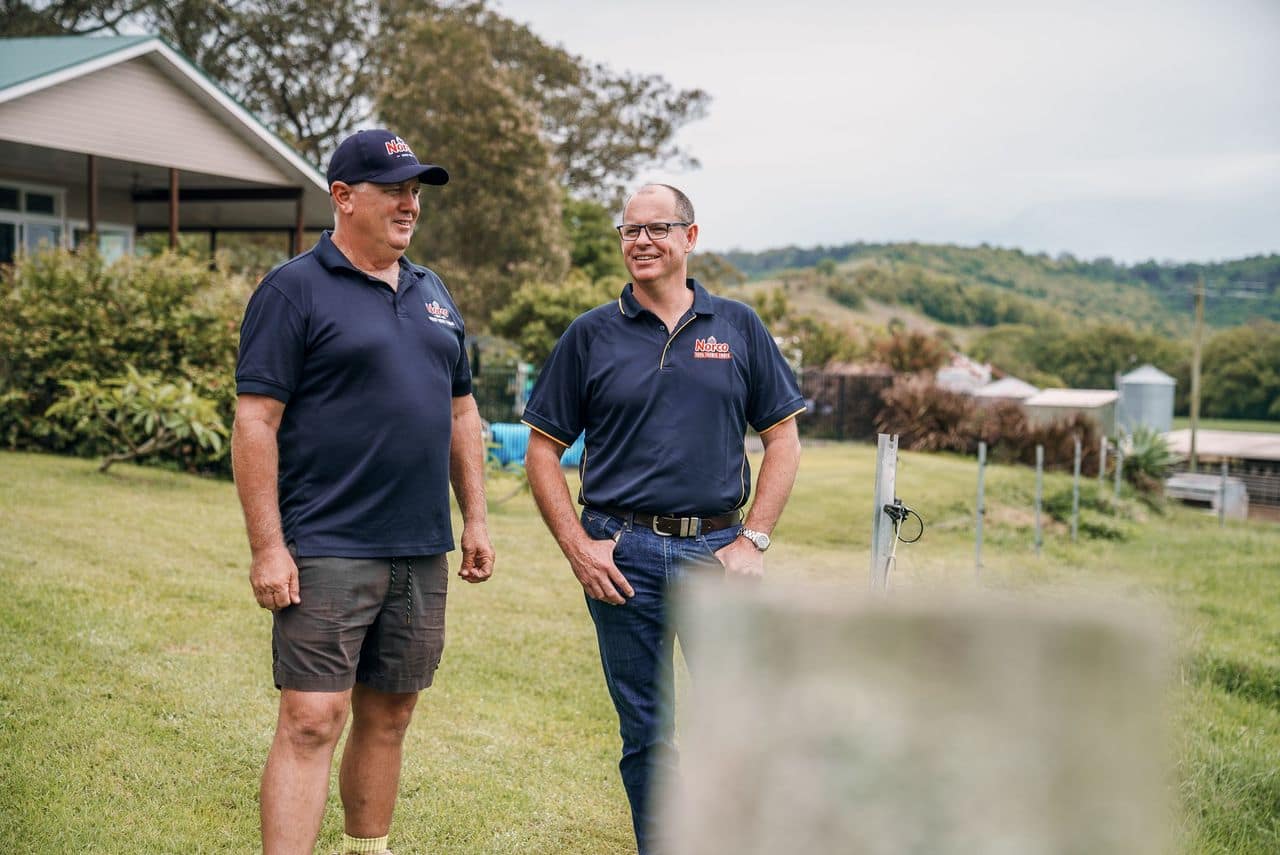
Norco Chief Executive Michael Hampson said ongoing geopolitical uncertainty is placing sustained pressure on the sector, with fuel and fertiliser shortages driving sharp increases in input costs for farmers, and across the entire supply chain.
“These cost increases are unprecedented. Our farmers are paying double for diesel, triple for fertiliser and 40 per cent more for freight. These pressures are simply unsustainable without meaningful support across the supply chain – and this price increase is a small but important step in helping to offset those pressures.
Call for ongoing industry action as pressures mount
Hampson applauded other processors that have taken similar steps to ensure fairer returns for farmers in the current climate, moves he said go a long way in easing some of the extreme burden farmers are facing. However, he cautioned that while this increase is a necessary step, it may not be the last, with ongoing cost pressures expected to require further action to support farmers and safeguard the future of the industry. “Right now, farmers critically need these increases to remain viable and protect their livelihoods – that’s the sheer reality of the situation.
“This is not about increasing margins – it’s about ensuring the sustainability of our farmers and the future of the Australian dairy industry.
Hampson added that these pressures are expected to curb winter planting of hay and cereal crops, which will significantly reduce supply and push input costs even higher again toward the end of the year for dairy farmers.
“These cost pressures are unlike anything we’ve ever seen before, and without industry-wide action to better support farmers, the future of the sector is at real risk,” he said.
What this means for shoppers – and farmers
Hampson acknowledged how tough things are for Australians at the moment and reinforced the impact their support has for Norco’s farmer members
“We know we’re asking shoppers to pay a bit extra for their milk, but I want to assure them that this increase is directly supporting our farmers during these challenging times – with every cent flowing back to them and their regional communities.
“To put it into perspective, the increase will likely amount to no more than 30 cents per week for the average household – but that 30 cents will significantly ease the pressure on our farmers and help secure their livelihoods.
“It’s also important to recognise that milk remains one of the most affordable staples in the Australian weekly shop – particularly when compared to other countries. For example, Woolworths’ own-brand 2L milk retails for around $1.50 more per bottle in New Zealand, roughly 45% higher than in Australia.
“That highlights just how low milk is priced in this country, despite the rising cost of producing it, the distance it needs to be freighted, and why ensuring fair returns to farmers is so critical.”
Andrew Wilson, fourth generation Norco dairy farmer said farmers and living and breathing the impact of cost escalations every day.
“Whether its fuel for machinery, fertiliser for the paddocks or just keeping things running, the costs keep rising and it’s something you can’t step away from.
“If these pressures continue, there’s a real risk that not all farms will be able to keep going – which is why support right now matters so much.”
“We’re incredibly grateful for that support and the understanding from Australian consumers. It might seem like a small change at the checkout, but it makes a real difference on farm and helps us keep going,” he said.
Hampson added that in such a critical environment, where shoppers choose to spend also matters.
“We encourage shoppers to understand where their money is going and to support 100 per cent Australian farmer-owned brands, ensuring more of that value flows back to Australian farmers.”