John Williams, Treasures of Nhill & District Facebook page, 29 April 2026, Nhill Free Press & Kaniva Times
At the Nhill Plastic Factory, staff once found themselves unable to unclasp their own fingers no matter how hard they tried, while another employee slept upright in a chair for half an hour – wide awake inside her head but unable to move a muscle. No, it wasn’t a typical Monday morning. Hypnotist Bud Flanagan Junior was in town, using the factory workers to promote his 1949 show.
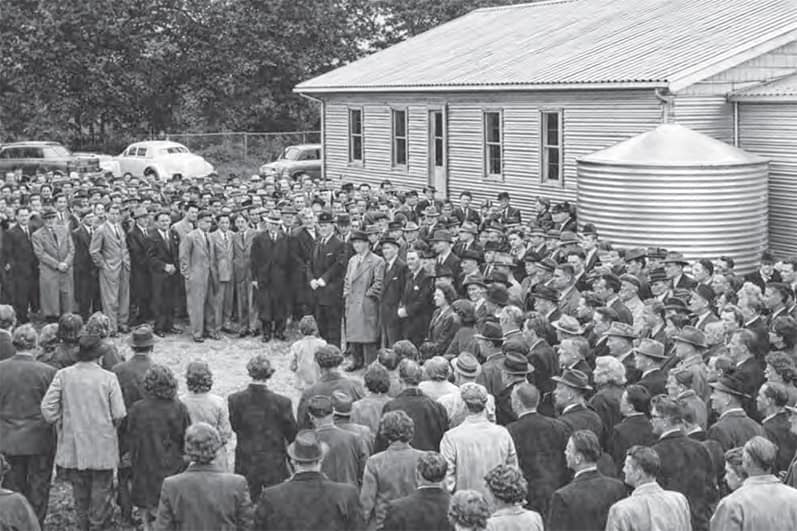
It was just one of the many colourful episodes hosted in the factory’s “Recreation Room,” a space that saw everything from smoke socials and kitchen teas to club meetings and dressmaking sessions.
When the factory abruptly closed in 1990, Nhill’s three service clubs teamed up for a demolition working bee so enthusiastic it produced $6000 worth of salvage. The Recreation Room and the other huts vanished in a cloud of dust and civic efficiency.
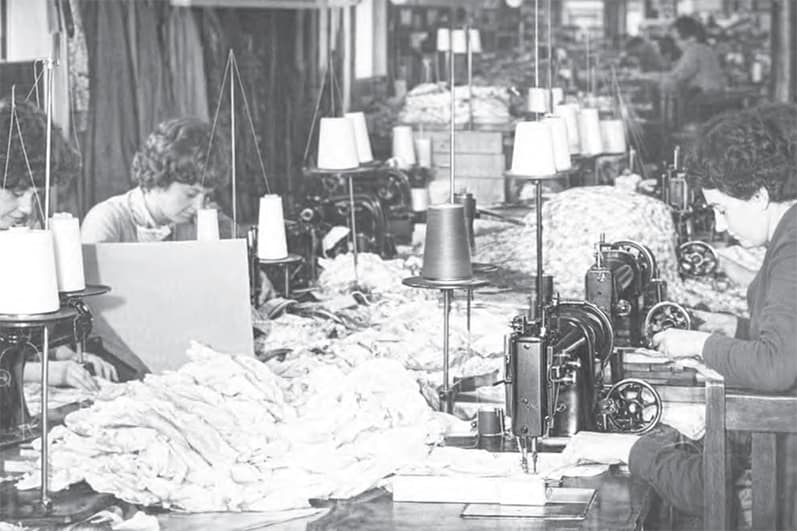
Ironically, only a year earlier – in January 1989 – the factory was still ticking along, albeit with a much smaller staff. It had just secured a contract for 9,000 Army foul-weather jackets, a Navy order, and a pending Air Force deal. It was also producing protective gear for the SEC, BHP and others. Not bad for a place that also once turned out a one-off plastic “Tiger Suit” worn proudly by Max Bussau to fire up the footy crowd.
Back in 1956 the workforce peaked at over 100, but by the late 1980s it had dwindled to just 17, mostly machinists. When the parent company, Intercapital, decided to centralise in Melbourne and couldn’t find a buyer, both the Nhill and Bacchus Marsh factories were shut on March 9, 1990.
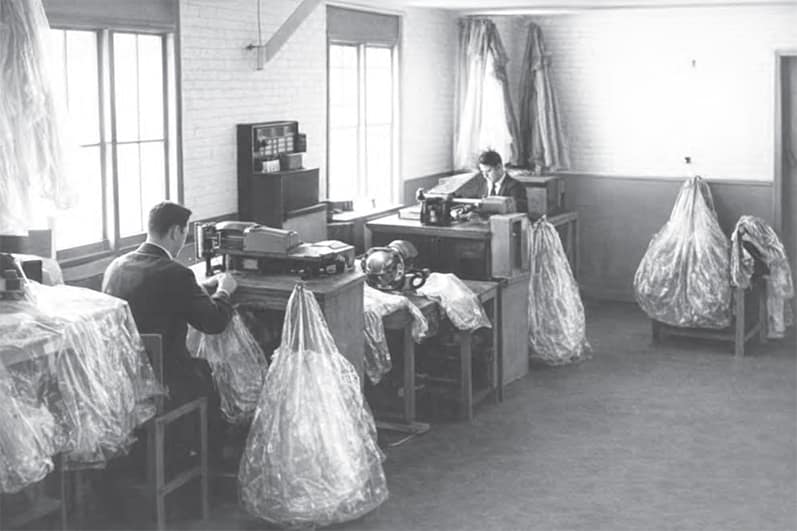
Many felt the Lowan Shire Council could have done more. At one meeting, the last manager, Kevin Bye, was famously told to “sit down and shut up” when he tried to share positive news. A month later, the same Council – apparently unconvinced the factory had a future – put out a tender for 70,000 plastic garbage bags. The irony was not subtle.
The Council had form. When the factory opened in 1947, the Kaniva Times pointed out that the road in front of this “modern addition to Nhill” was a quagmire. Some things never change.
In 1964 the factory found itself in a “nimby” storm when its R.F. welding machines interfered with afternoon and evening TV reception. The PMG shrugged, noting Nhill was outside the official viewing area (though still inside the licence-fee-paying area). Extra earth wires were installed, but the problem only grew when night shift began. Neighbours were unimpressed unable to watch Homicide and In Melbourne Tonight through the already snowy signal.
Despite occasional grumbles – and the odd “sweatshop” label – the factory generated many fond memories. For those who never worked there, it remained a bit of a mystery: Where is it? “Over there,” on the wrong side of the tracks. Some locals on the other side of the tracks, only ever saw it on a postcard.
Long story short:
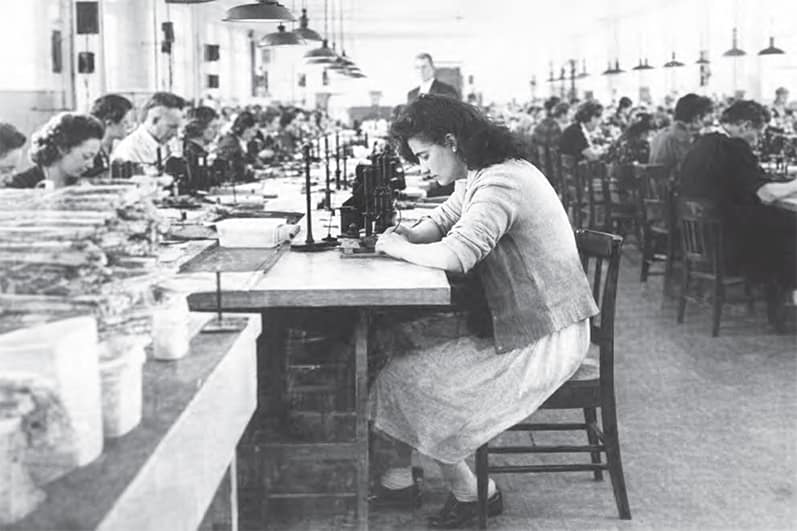
The A.G.M. Manufacturing Company took on the government-backed plastic industry proposal for Nhill and created an “instant factory” by hauling six prefab RAAF huts from the aerodrome into town. By July 1947 the “tin hut factory” – galvanised iron, timber and fibro plaster perched on wooden stumps – was ready to employ up to 60 people, mostly women stitching and welding plastic raincoats, aprons and accessories.
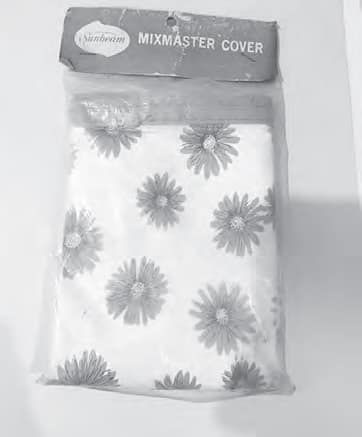
The plastic sheeting came from Melbourne; Nhill added the skill and sent the finished goods back in Jim Merrett’s truck. Despite the double handling, the factory remained one of Nhill’s most stable employers for 48 years.
It produced thousands of quilted Mixmaster covers, toaster covers, aprons, scuffs, cot covers, bibs, feeders, suit covers, tray cloths, golf jackets and skirts, men’s rain trousers, hats, coats, toilet seat covers, baby pants, storage chests, blanket bags – you name it, they probably stitched it.
Owner Albert Muhlhauser was honoured with a street named after him, and rightly so. He also gave Nhill its first lawn tennis courts behind the factory, built by former Kooyong curator Snow Carlson, who levelled and planted the courts by hand. Albert loved tennis, playing with big names in Melbourne and at Nhill’s Labour Day Tournament from 1947 onward.
(The Council didn’t use Albert Muhlhauser’s surname when naming the street – which would have been the usual practice – and instead chose the shorter first name. First names were typically reserved for royalty: George, Victoria, and the like.
Perhaps Albert had achieved a royal standing in Nhill, or was there another reason behind the choice?)
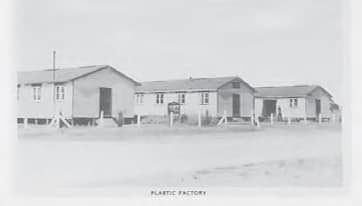
When Albert sold the business in the 1980s, many felt the new owners AGMER lacked his attachment to the town – and that this disconnect helped seal the factory’s fate.
In the end, the factory didn’t die of old age; it was abandoned by its new owners who decided to centralise in Melbourne. A place that once helped shape Nhill’s identity sought Council support, but it never came.
When the final shift clocked out, it wasn’t just machinery that went quiet, but a whole chapter of Nhill’s pride. A reminder of what happens when those in charge at head office and the Council to a degree, forget who built the local industry in the first place.
This article appeared in the Nhill Free Press & Kaniva Times, 25 May 2026.