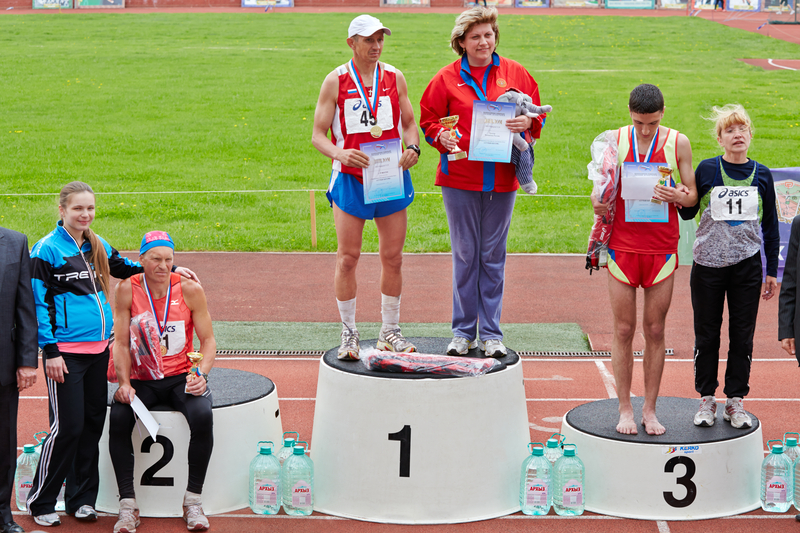
I was facilitating a strategy conference last week, and the CEO opened with a statement that they “were in a race for market share, and they were in a challenging and increasingly competitive market, so the focus for the strategic plan must be about how to win their fair share of their target market.” It provided context and focus on what winning for the year would entail.
In every field of endeavour (business, sport, community, or personal growth) there is a fundamental truth that often gets overlooked: You cannot have winning without being challenged.
Winning, in its truest sense, is not defined by trophies, titles, or comparisons with others. It is defined by progress. It is about being better than you were last week, last month, or last year. Without challenge, there is no stretch. Without stretch, there is no growth. And without growth, there is no meaningful definition of winning.
Too often, people misunderstand winning as a destination. They see it as a final outcome, something achieved once and then held onto. But winning is a dynamic. It is a process, not a moment. It requires context. For individuals and teams alike, winning must be anchored in continuous improvement. It is about setting a benchmark against yourself and striving to exceed it. That is where the real contest lies, not against others, but against complacency, comfort, and stagnation.
This is why a growth mindset is so critical. When individuals and teams embrace the belief that they can improve through effort, learning, and persistence, challenge becomes something to be welcomed rather than avoided. Obstacles are no longer seen as threats, but as opportunities to learn. Feedback is not criticism, but a pathway to improvement. In this environment, winning becomes a dynamic, not because success is guaranteed, but because progress is constant.
Winning takes effort. It requires discipline, resilience, and a willingness to do the hard things consistently. In contrast, despair is easy. Giving up, blaming others, or settling for mediocrity requires very little energy. It is the default setting when a challenge is avoided. This is why the presence of challenge is so important, it forces a choice. How does a team respond? Do they lean in and grow, or do they retreat and remain the same?
Winning can be likened to a muscle. It must be trained, conditioned, and strengthened over time. You cannot expect to perform at a high level without putting in the work behind the scenes. This “winning muscle” is fed by a belief, commitment, confidence, reflection, and curiosity.
- Belief is the starting point. Without belief (both in oneself and in the collective capability of the team) effort quickly fades. People must believe that improvement is possible and that their actions can make a difference.
- Commitment follows belief. It is one thing to say you want to improve; it is another to consistently show up and do the work required. Commitment is what turns intention into action.
- Confidence grows because of consistent effort and small wins. It is built over time, through experience and evidence. Confidence allows individuals and teams to take on greater challenges without fear of failure.
- Reflection is equally important. Without taking the time to review performance, identify lessons, and adjust accordingly, improvement stalls. Reflection turns experience into insight.
- Curiosity fuels the entire process. A curious mindset asks, “How can we do this better?” It seeks out new ideas, challenges assumptions, and drives innovation. Curiosity keeps the winning muscle active and evolving.
However, none of this happens by accident. The most important factor in building a culture of winning is leadership. Leaders set the tone. They define what winning means, what is valued, and how challenges are approached. If leaders avoid challenges, so will their teams. If leaders embrace it, model resilience, and celebrate improvement, their teams will follow.
Leaders have a responsibility to create an environment where challenge is safe, expected, and encouraged. This means fostering psychological safety, where people feel comfortable speaking up, trying new approaches, and learning from mistakes without fear of blame. It means recognising effort as well as outcomes and reinforcing the behaviours that lead to continuous improvement.
Importantly, leaders must provide clarity. Teams need to understand what they are aiming for and why it matters. Without this clarity, challenges can feel overwhelming or directionless. With it, challenge becomes purposeful and motivating.
For regional and rural communities, this concept carries even greater significance because communities face unique challenges (geographical isolation, resource constraints, workforce shortages, and economic pressures). In such environments, the ability to embrace challenges and redefine winning becomes a powerful advantage.
Winning in regional and rural contexts may not always look like rapid growth or large-scale expansion. Instead, it may be about sustainability, resilience, and incremental progress. It may be about strengthening local businesses, supporting community initiatives, and building capability within existing resources.
When leaders in these communities foster a culture of continuous improvement, they unlock potential that might otherwise remain untapped. Moreover, a culture of winning creates momentum. It builds confidence within the community. It attracts investment, encourages collaboration, and inspires the next generation to stay, contribute, and lead. It shifts the narrative from one of limitation to one of possibility.
It is easy for regional leaders and key local influencers to fall into despair, highlight problems, and report what is wrong (often described as “poor bugger me syndrome!”). Leaders have a responsibility to lead a winning dynamic, turning lemon into lemonade. Complex social issues can only ever be solved by the community coming together and working together to improve things. A winning dynamic is what strengthens communities and solves problems.
Ultimately, you cannot separate winning from challenge. They are intrinsically linked. Challenge is the proving ground where growth occurs, where resilience is built, and where progress is made. Winning is not the absence of difficulty; it is the result of embracing it.
For leaders, the message is clear. Define winning in terms of improvement. Encourage challenge. Model the behaviours you want to see. Build the belief, commitment, confidence, reflection, and curiosity within your teams. Create an environment where people are not afraid to stretch themselves.
Leadership Lesson
Winning is not about being the best in the world.
It is about being better than you were yesterday and helping others do the same.
Facta Non-Verba – Deeds Not Words