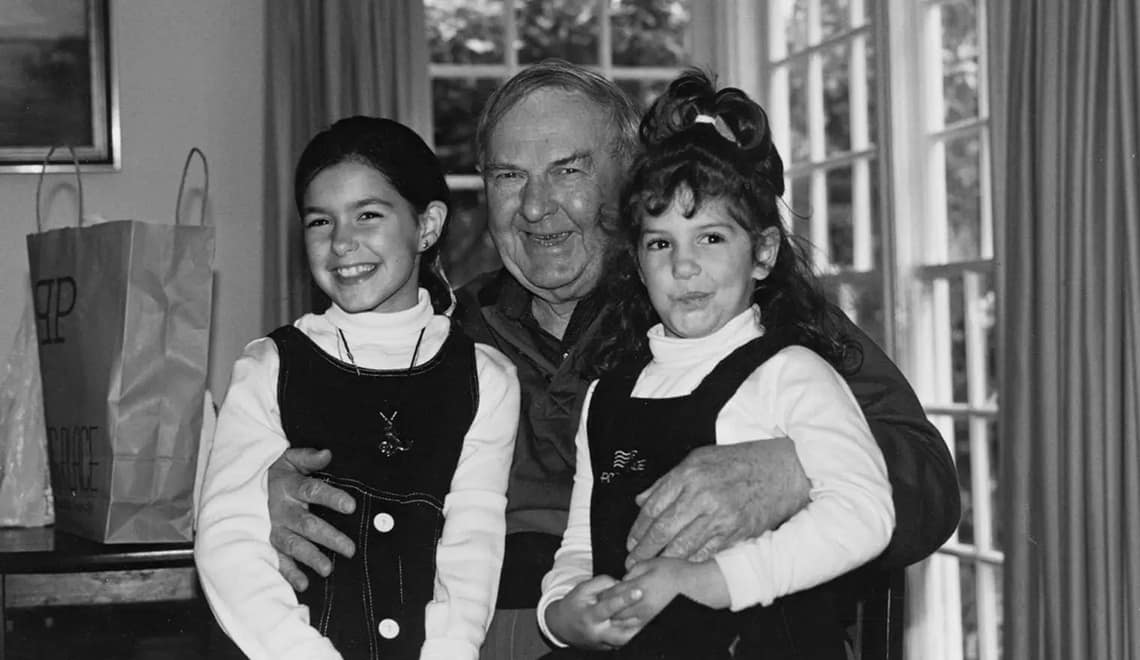

Over the Father’s Day weekend I was out having a family lunch at a restaurant full of families celebrating father’s day, recognising their fathers and grandfathers. It got me thinking about my dear Dad, and how I have fathered my children and now grandchildren. Being a dad is the most rewarding – challenging – difficult – all-consuming leadership role any father undertakes – There is no rule book.
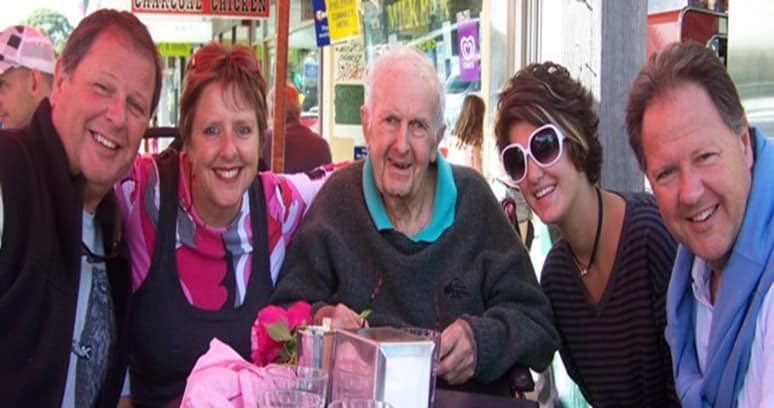
There is no greater leadership challenge than parenting
There is no course you can undertake, or defined set of skills or attributes to acquire, that adequately prepares you for the lifelong quest of parenting. The parallels between leadership and parenting are deep. There is an old saying that anyone can be a father, but it takes someone quite special and unique to be a dad. The unwavering love and emotional connection between a child and their dad is what binds them forever. But being a dad is an unwritten leadership role. It involves the use and application of many leadership attributes including:
Positive role modelling: A dad role models lifelong desired behaviours and mindsets to help get through life’s many moments. How to react in different circumstances, or how to treat people is a shaped by how a father acts and behaves. The little things done each day is what a child observes and experiences and informs them on how they should act and behave in similar circumstances.
Beliefs: What a father believes in and deems important will guide decision making. What is said reveals what they are thinking. What they do reveals in what believe. Beliefs also fuel ethics and what a dad believes is right or wrong.
Self-care: In an era where mental health is recognised as just as important as physical health, how fathers maintains and care for themselves, as well as the people around them, sends an important self-care message. When we are young, we think we are bullet proof. But how well we age all depends on how well we looked after ourselves along the way.
Rituals: The importance of family rituals greatly impacts family dynamics. Their importance cannot be understated. Things like sitting down to dinner as a family, going on family holidays, catching up with friends, going to events, supporting a team together, or just playing sport in the backyard are all examples of family rituals which help bond a family.
Conflict and problems: How a dad deals with conflict or solves problems provides an important life lesson. Dealing with problems as a family is what helps teach resilience. Resolving conflict calmly and safely ensures there is a safe environment to share issues and grievances quickly and proactively before they get away. Violence never solves anything.
Habits and disciplines: These are numerous. These include eating and drinking in moderation, exercising, being punctual, and financial management. Children observe and take on many of the habits and disciplines a father adopts (good and bad).
Manners: Saying please and thank you. Not being rude. Looking at people when they are speaking to you. Active listening. Washing hands. Being on time. Doing what you say. These are examples of manners which require a dad to role model and, importantly, endorse and enforce.
Respect: How a dad talks to someone, their tone of voice, and language used are all symbolic examples of respect. Importantly how a dad fosters inclusion, and a sense of belonging to others is also a mark of respect. Demonstrating respect and being respectful are important grounding principles for any child.
Prioritisation: How a dad juggles their busy weekly schedule sends an important life lesson to children. Making sure they can put food on the table, whilst also managing family commitments and demands is never easy. A dad needs to be present. This is never done in isolation, it requires a parental partnership approach, whilst also calling on grandparents, family, and close friends to lend a hand from time to time. All these provide a great example on how to prioritise and what is deemed important.
Curiosity: Learning never stops. Having a growth mindset helps build hope and optimism into children. Having a fixed mindset is the surest way to prevent learning from occurring. Being open to new ideas, looking for solutions or silver linings in difficult circumstances is what dads do. When children fall, dads pick them up, dust them off, and send them off again. Learning and empowerment requires a dad’s facilitation.
Coaching: Whether it be a sit-down discussion to help choose subjects to study, or a university course to undertake, or teaching them to drive a car, or an in-the-moment debrief after a sporting event, or indeed some life advice after a relationship break-up, these are all examples of coaching moments a dad may have with a child. They are numerous and constant. But any coaching moment is always given with the best interests of the child in mind.
Setting boundaries: Never easy. But as a child grows so too do their boundaries. Exploring the world requires the setting of boundaries, timelines, distances, rules, and people selection in the early formative and teen years. Boundary setting continues in young adulthood to help empower and build capability whilst ensuring safety and a sense of independence.
I am sure I have missed some leadership qualities that go into parenting. These are the ones that I reflected upon. But there are some unique qualities that go with being a dad:
- A dad will always be their child’s number one fan (no matter what)
- A dad will always ride a child’s every success and failure along the way
- Being a dad is an emotional roller coaster
- A dad will have more pride in their child’s success than their own
- If a dad had more to give they would
- As dads age, they prefer time with their children rather than gifts
- Giving a child “tough love” is a difficult, yet important, task for a dad
Every dad does it his way! As best he can. In his own way. As children grow up, leave home, and make their way in their own journey in life, a dad will look on from afar – proud and comforted knowing that their child is their greatest leadership achievement. So why not sit down with your dad and ask about his learnings and approach was to fatherhood. His wisdom and reflections will be his life gift to you. So, what’s his story?*
Leadership Lesson
Being a father is without question one of the most challenging leadership roles there is. It has no end date. Regardless of the age of a child, you are always a dad and a source of wisdom and support. Being a father is also the most rewarding and perhaps the greatest source of personal achievement.
Facta Non-Verba – Deeds Not Words
*If you would like more information on how to capture your Dad’s Life Story take a look at:
My Word – Connect Through Stories – www.mywordcts.com (owned by RYP International and run my daughter)